
Return to Coconut Island
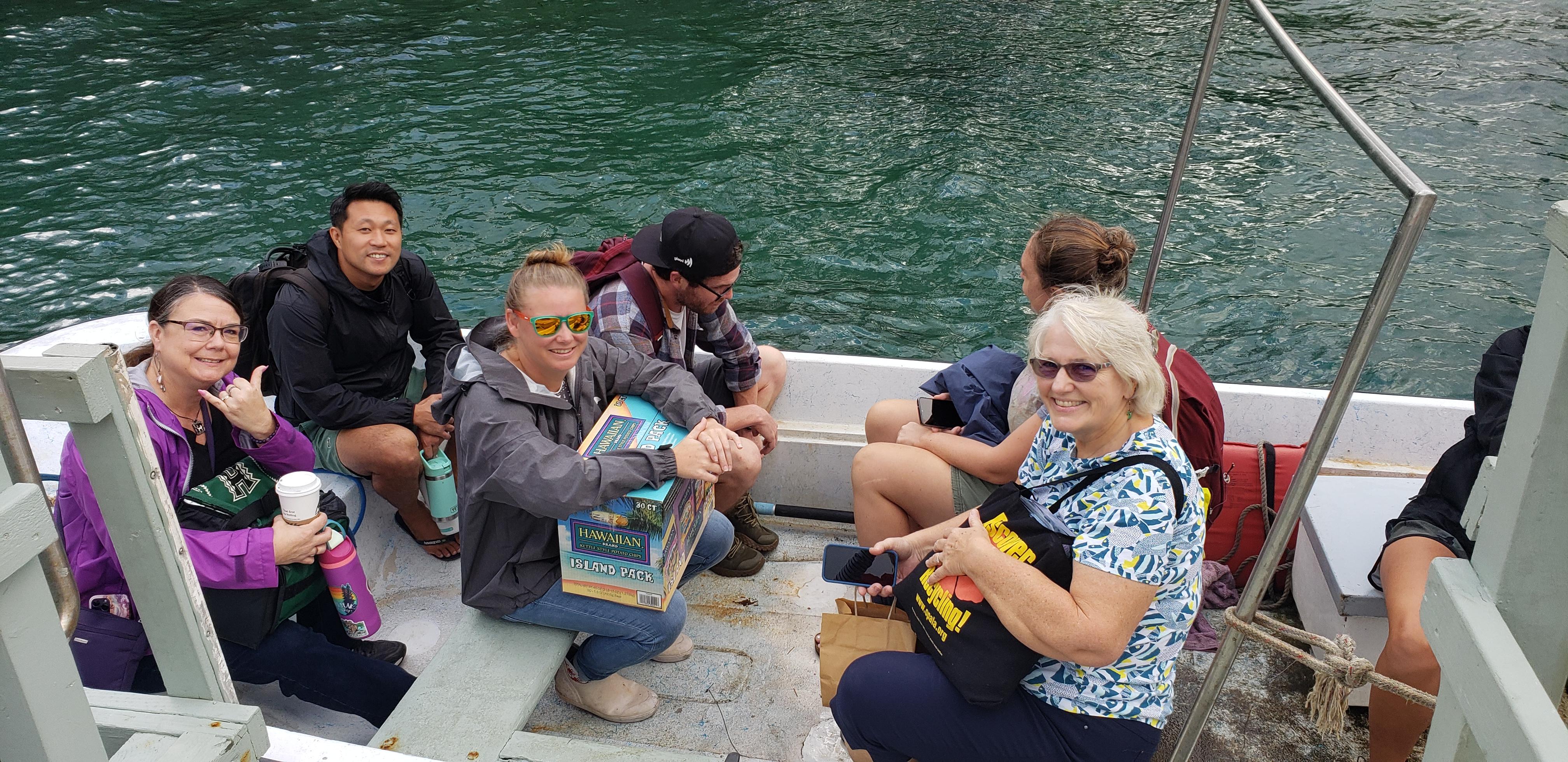
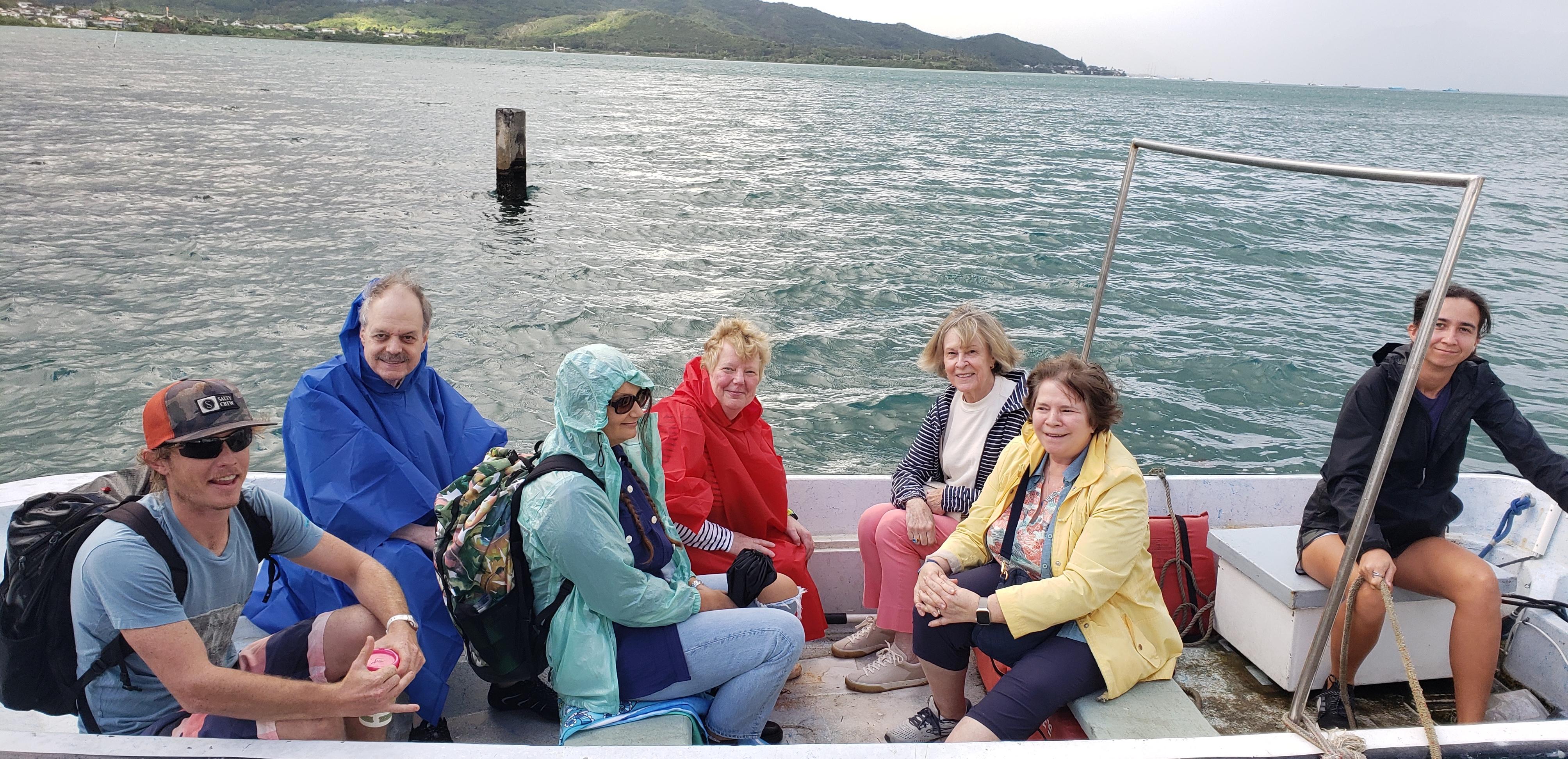
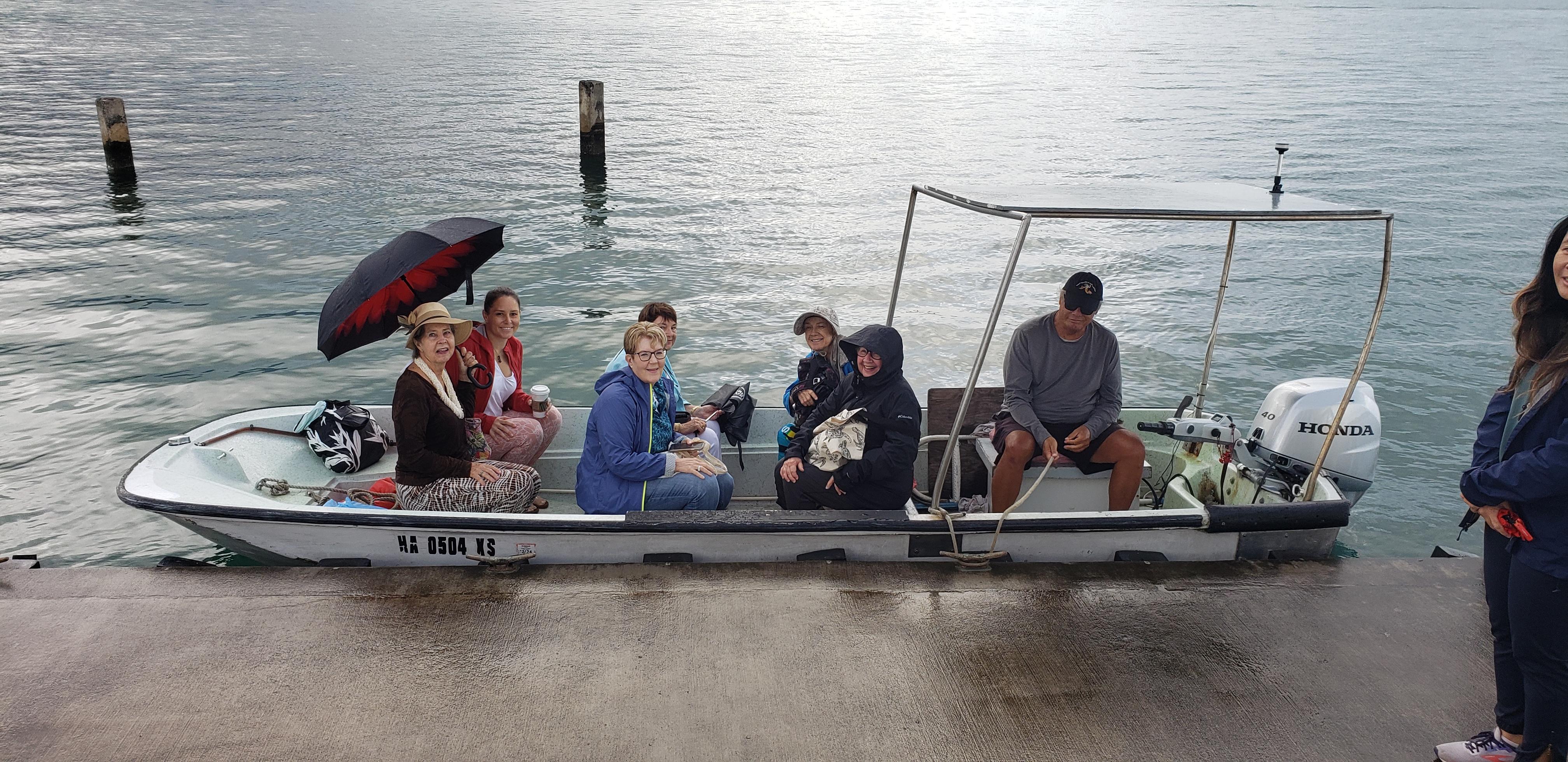
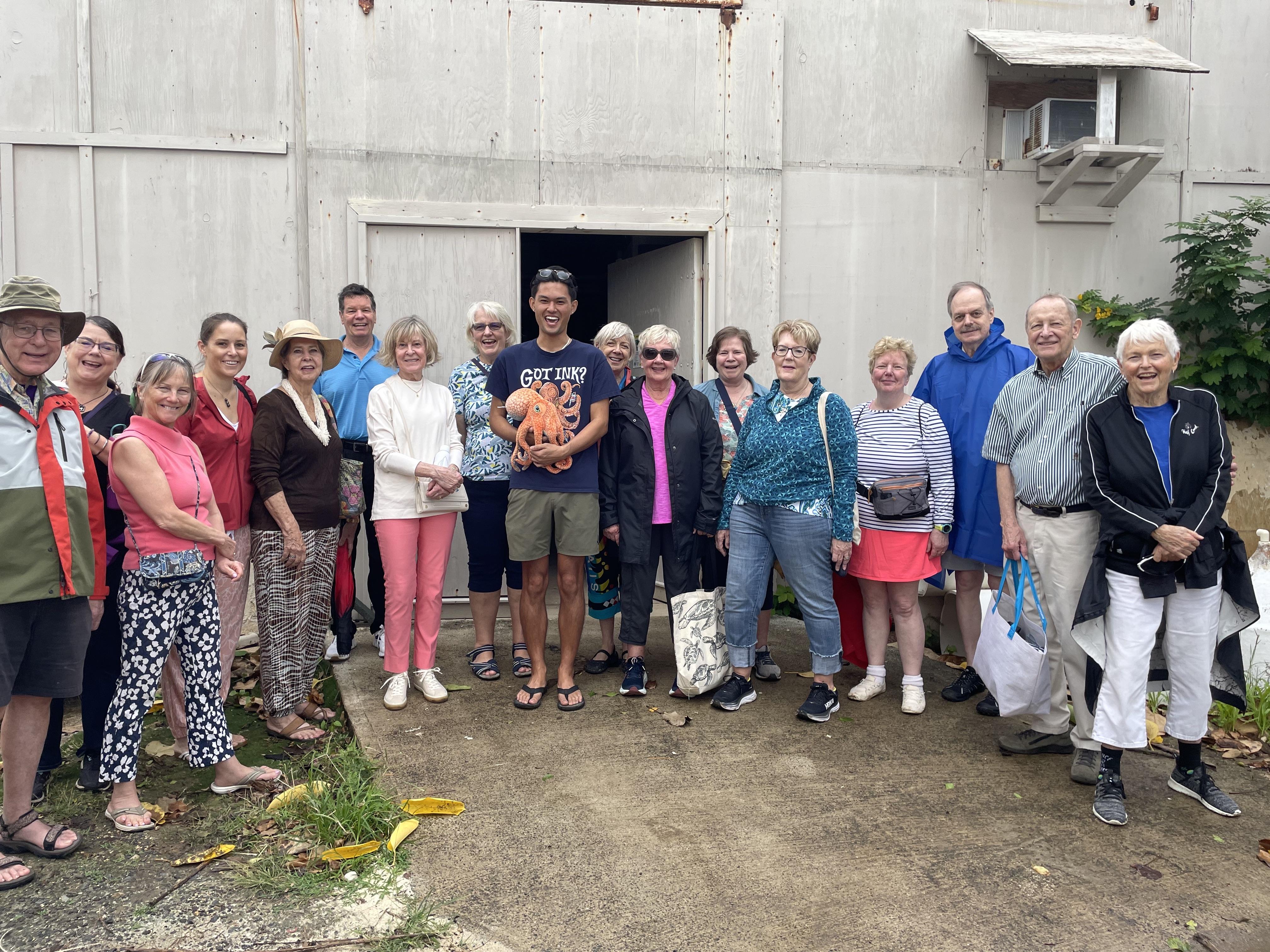
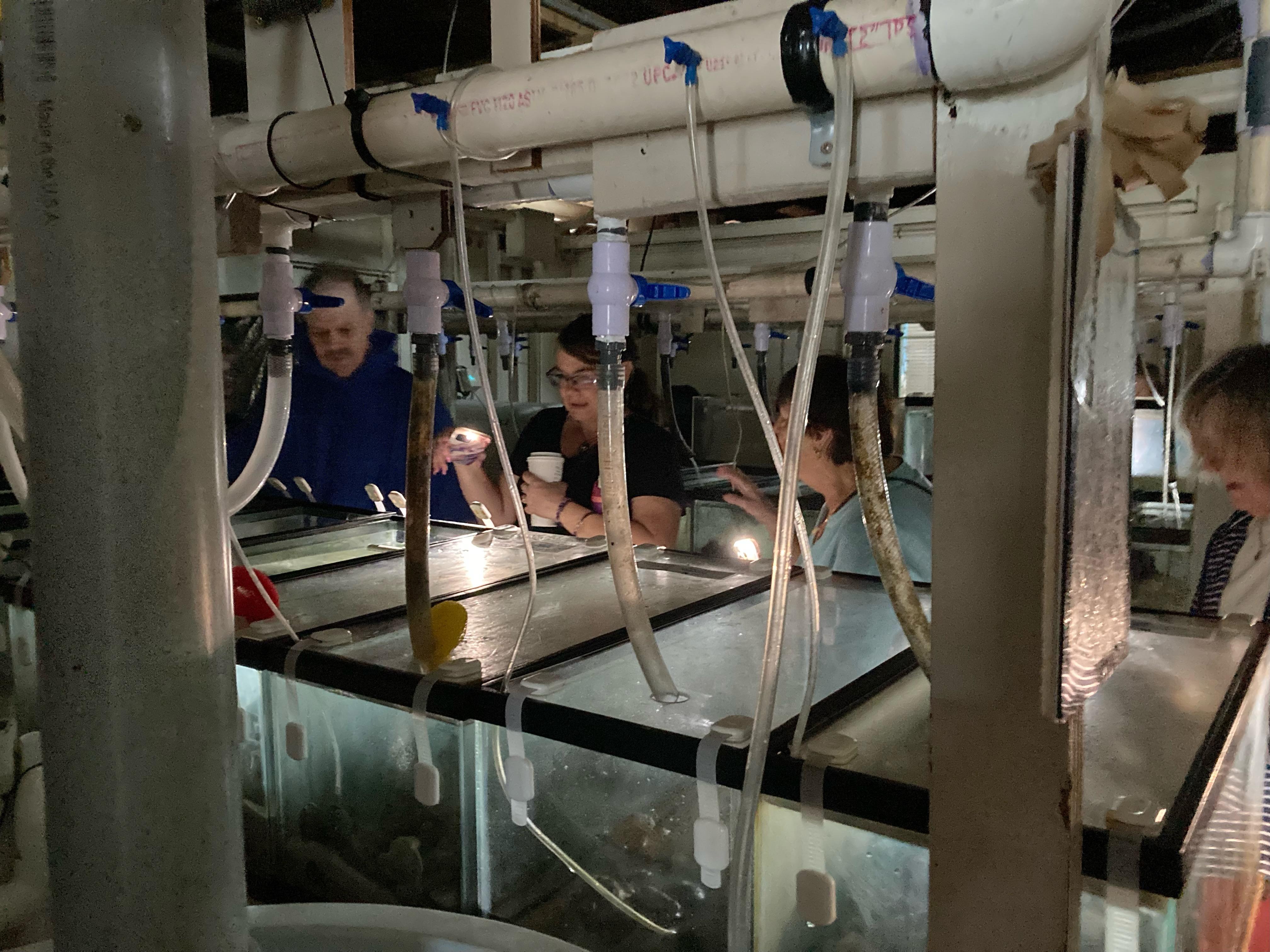
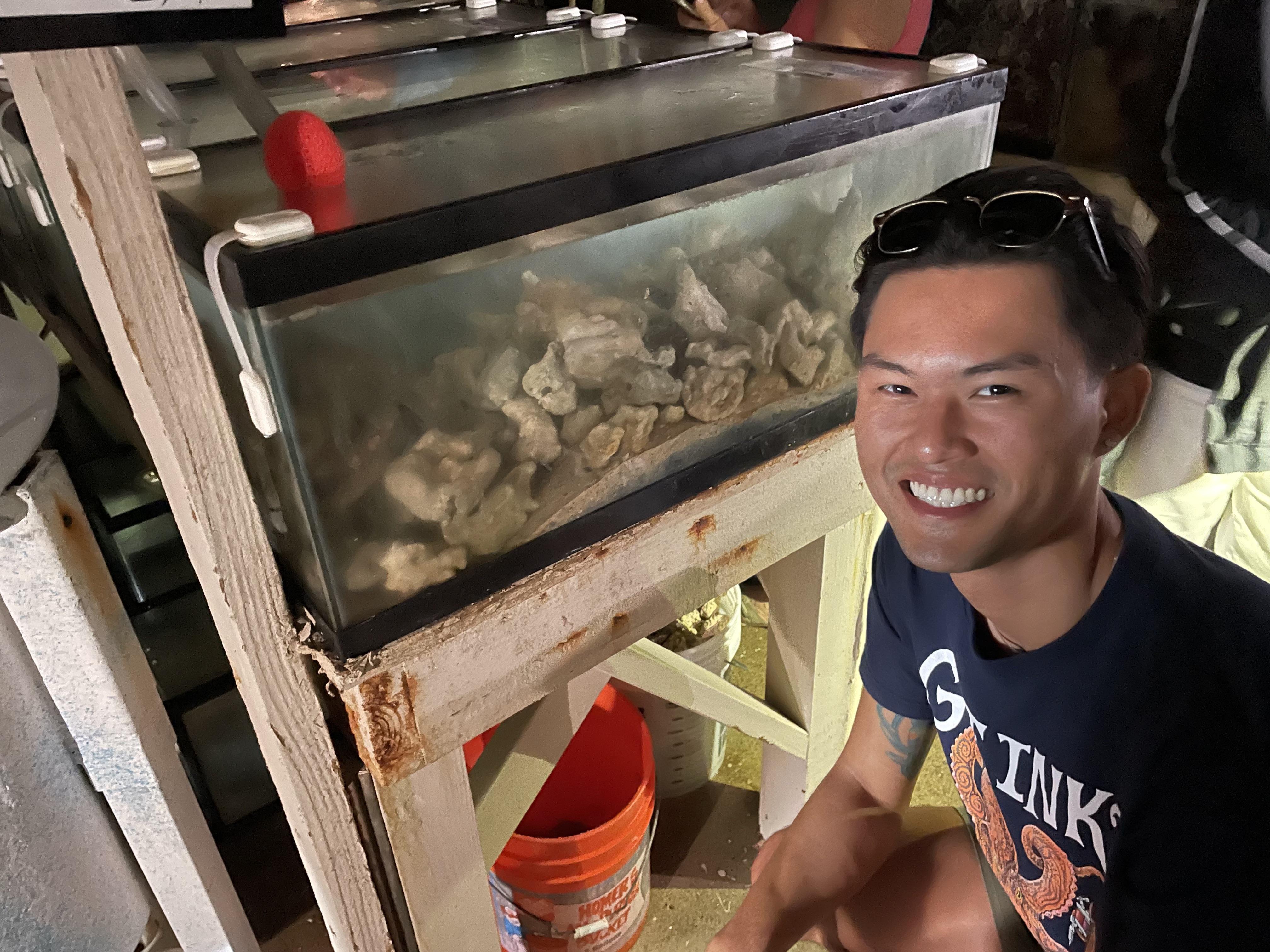
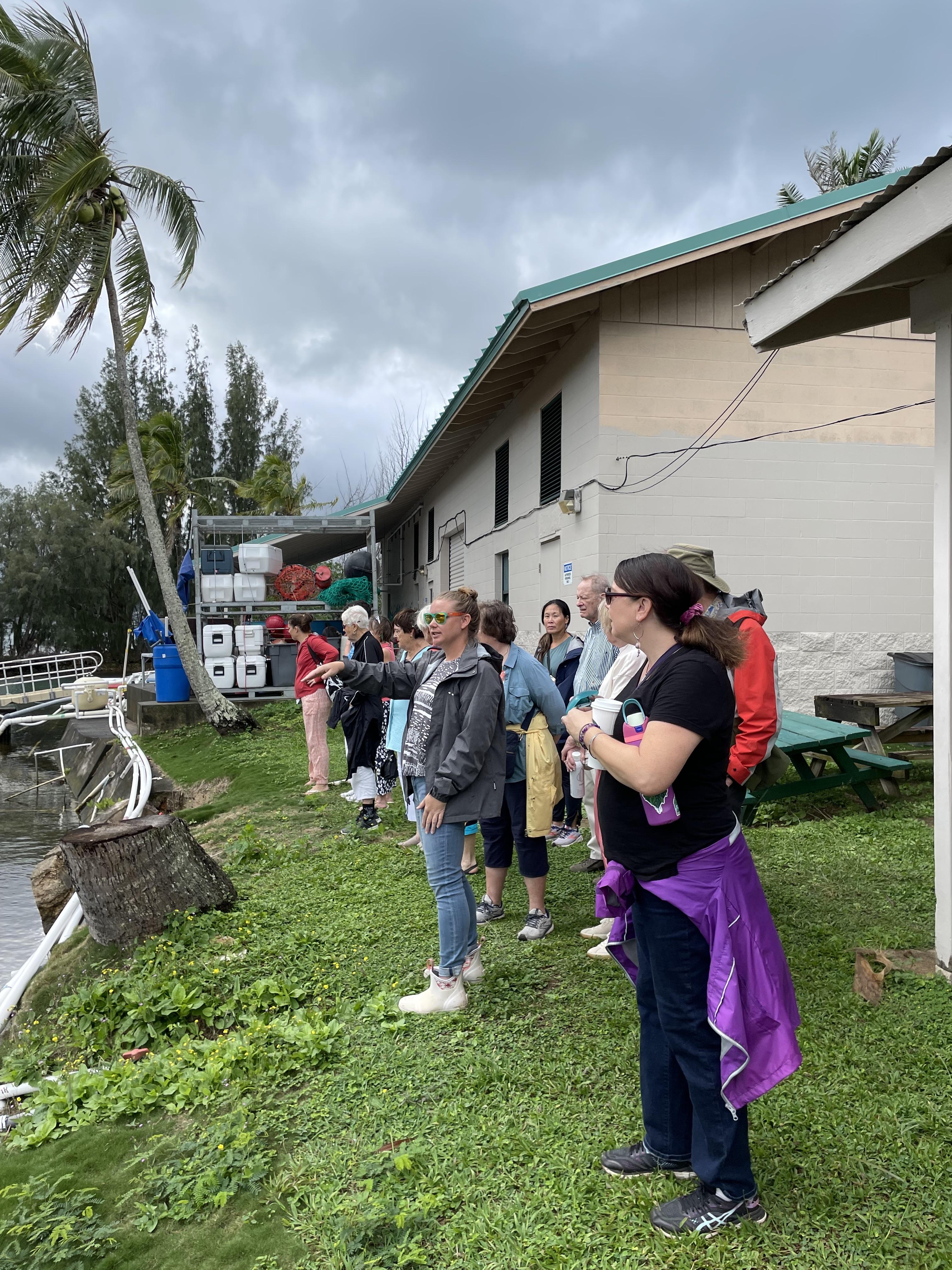
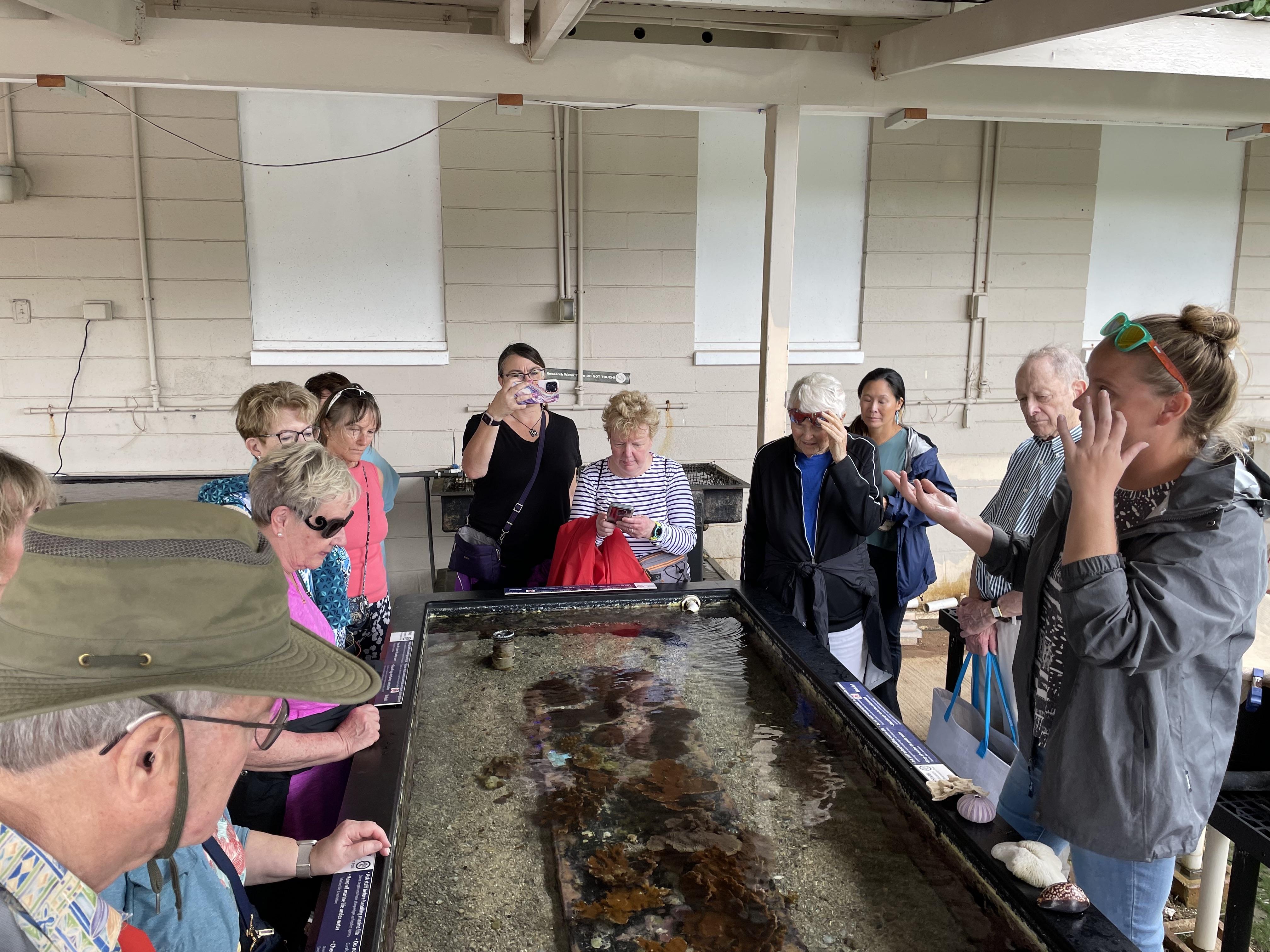
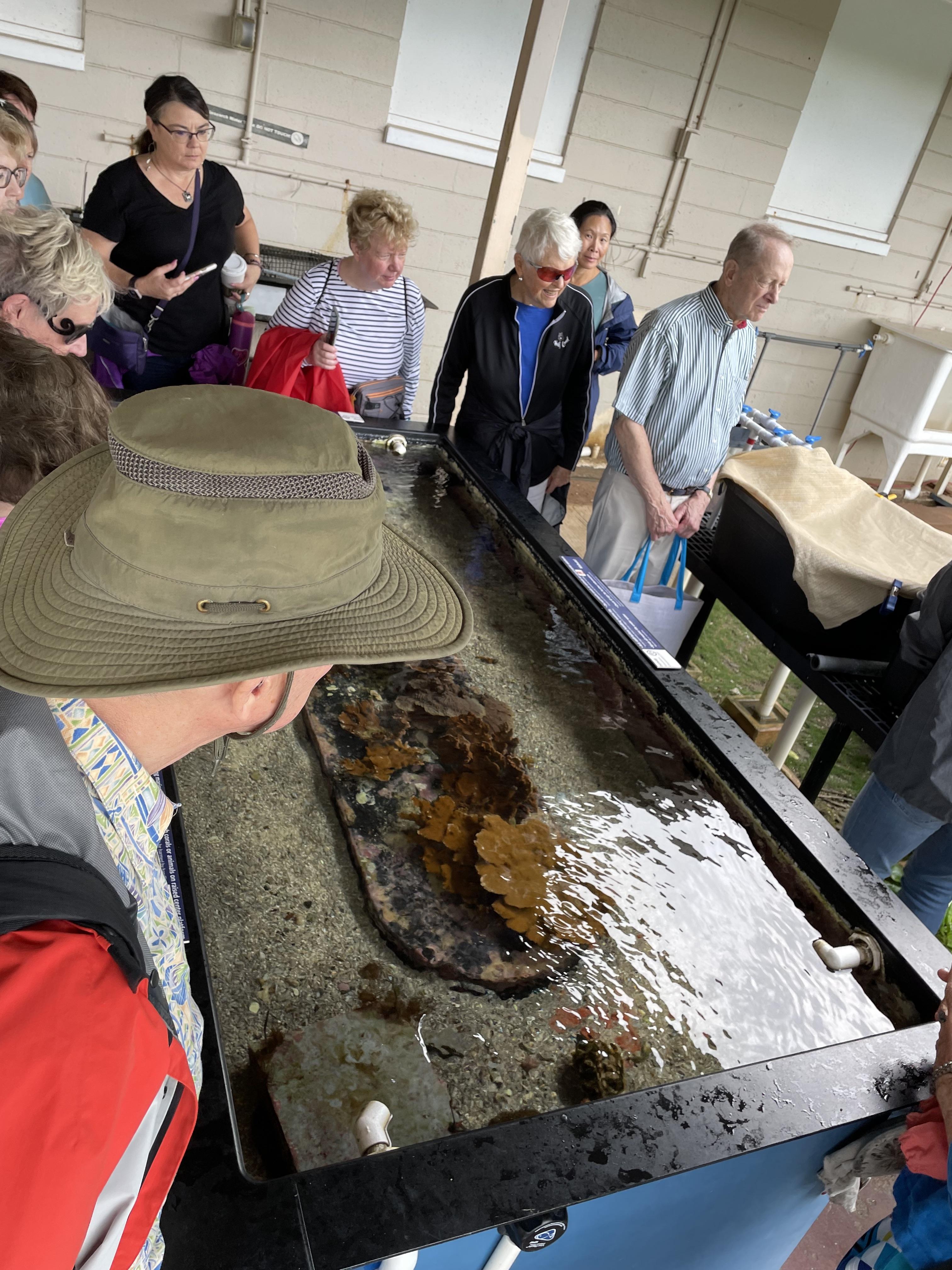
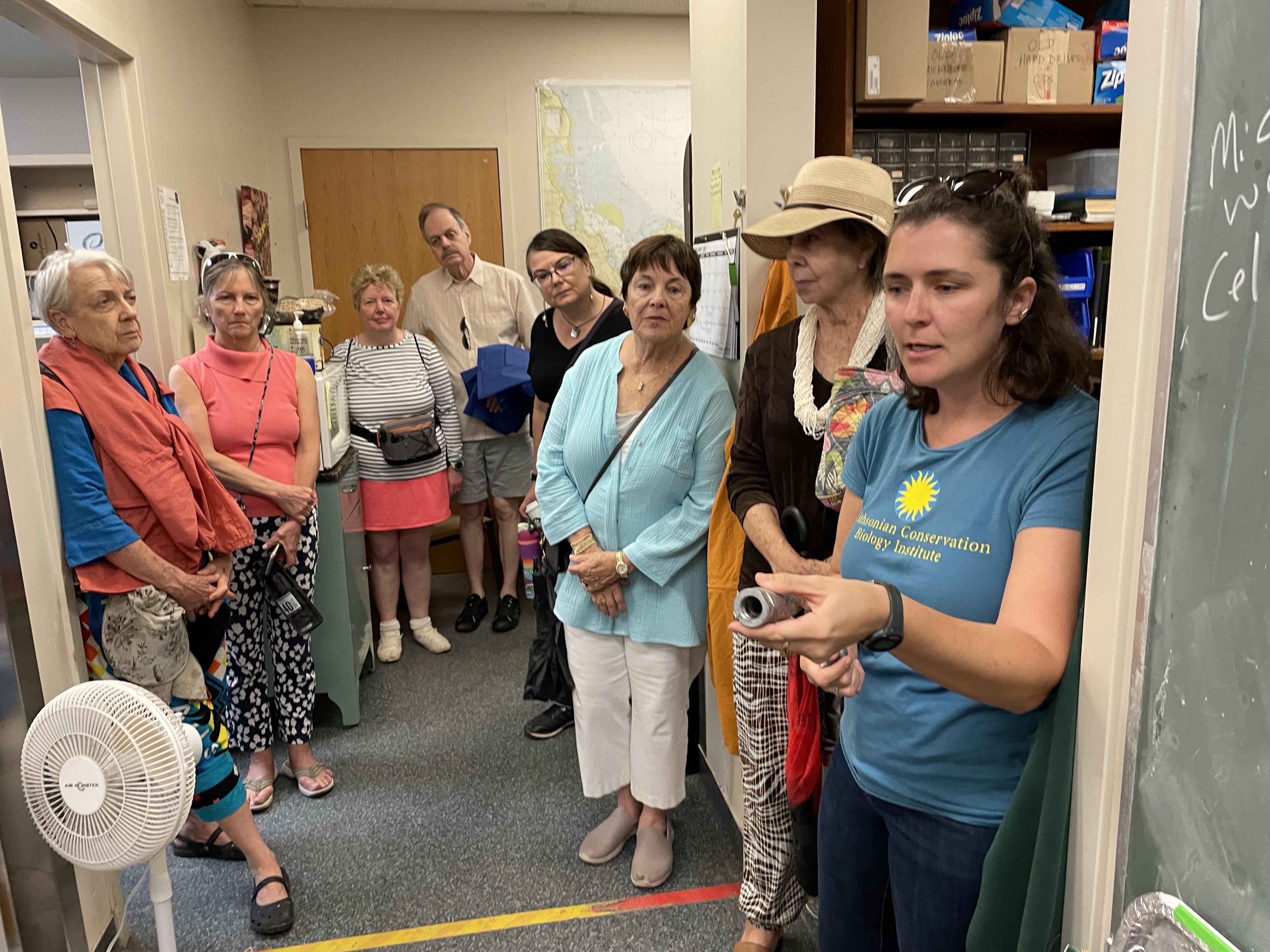
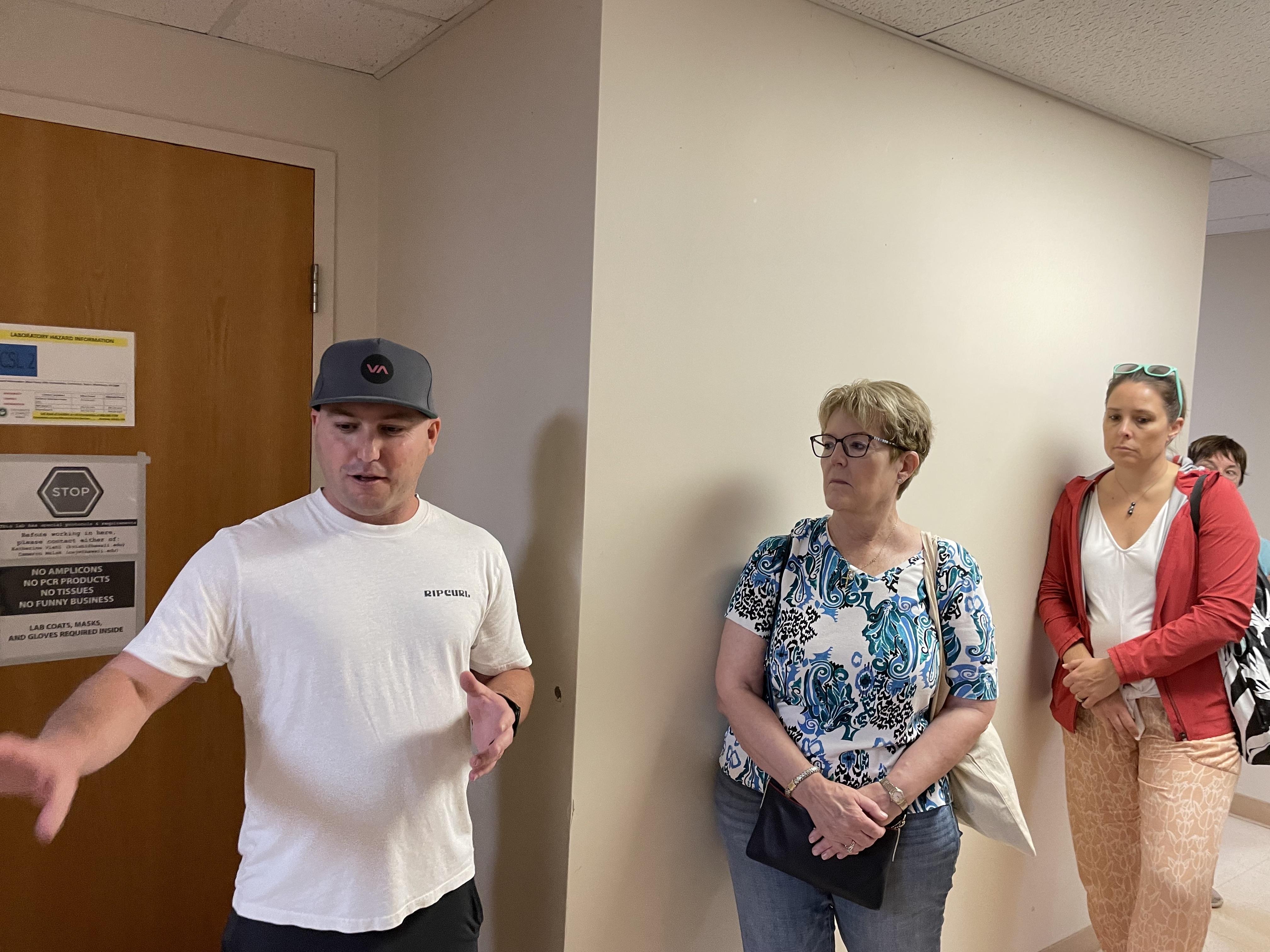
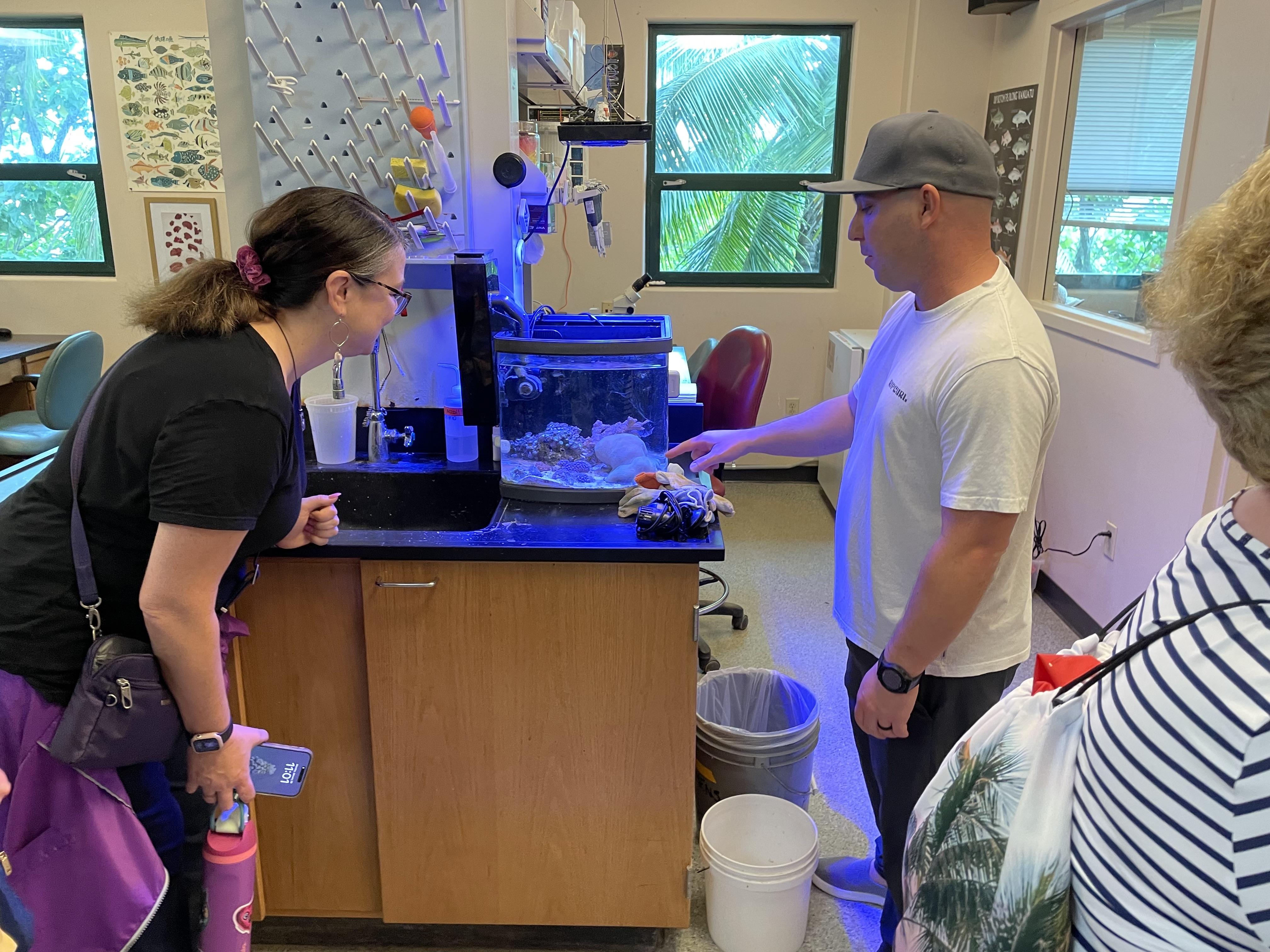
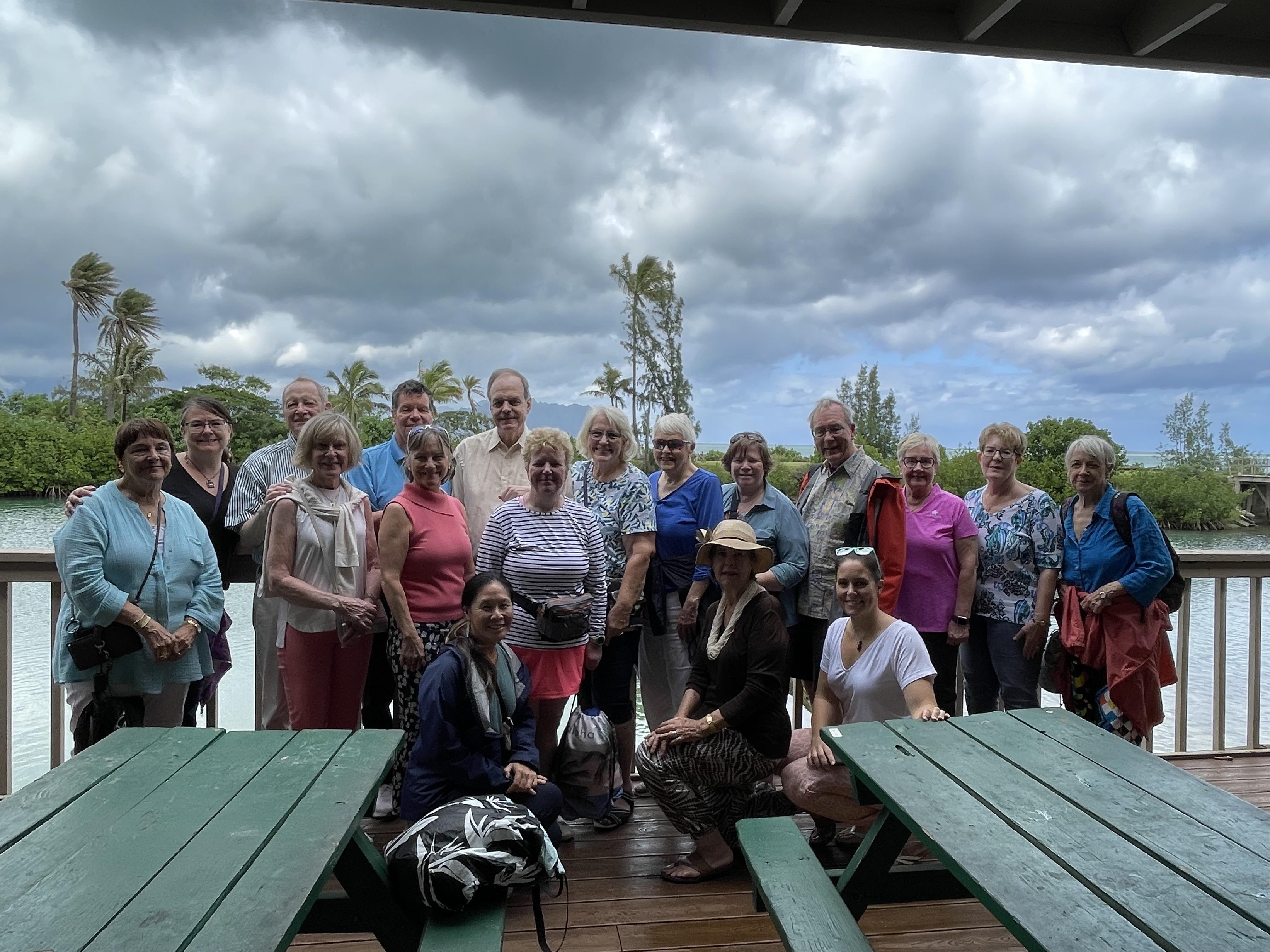
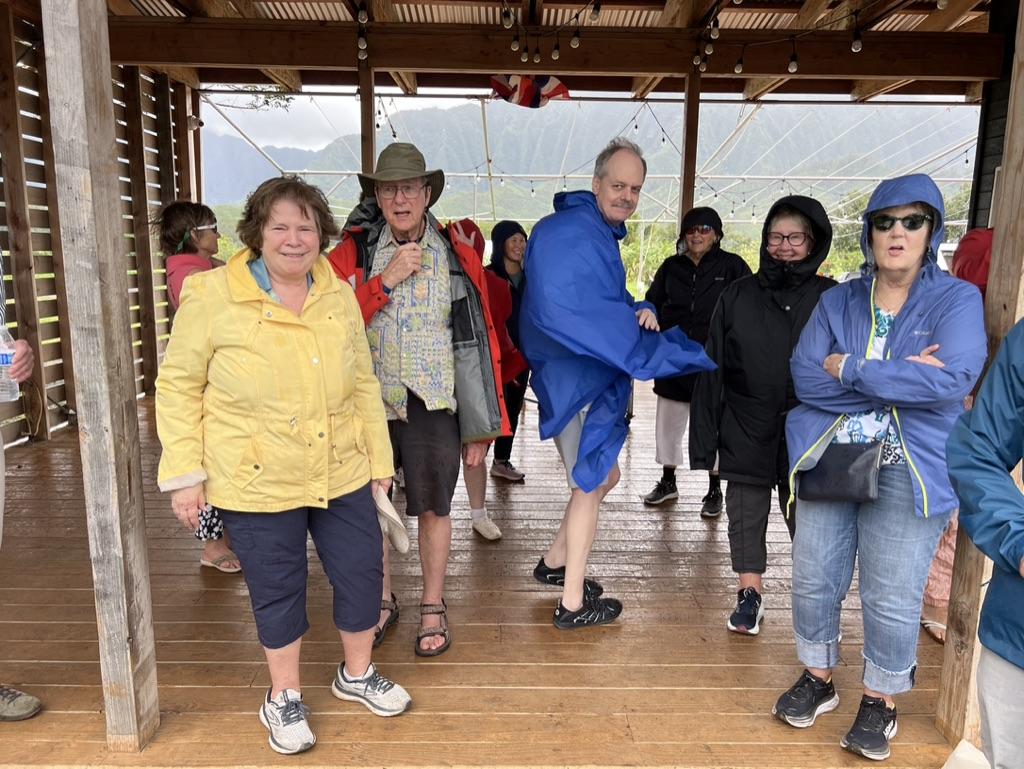
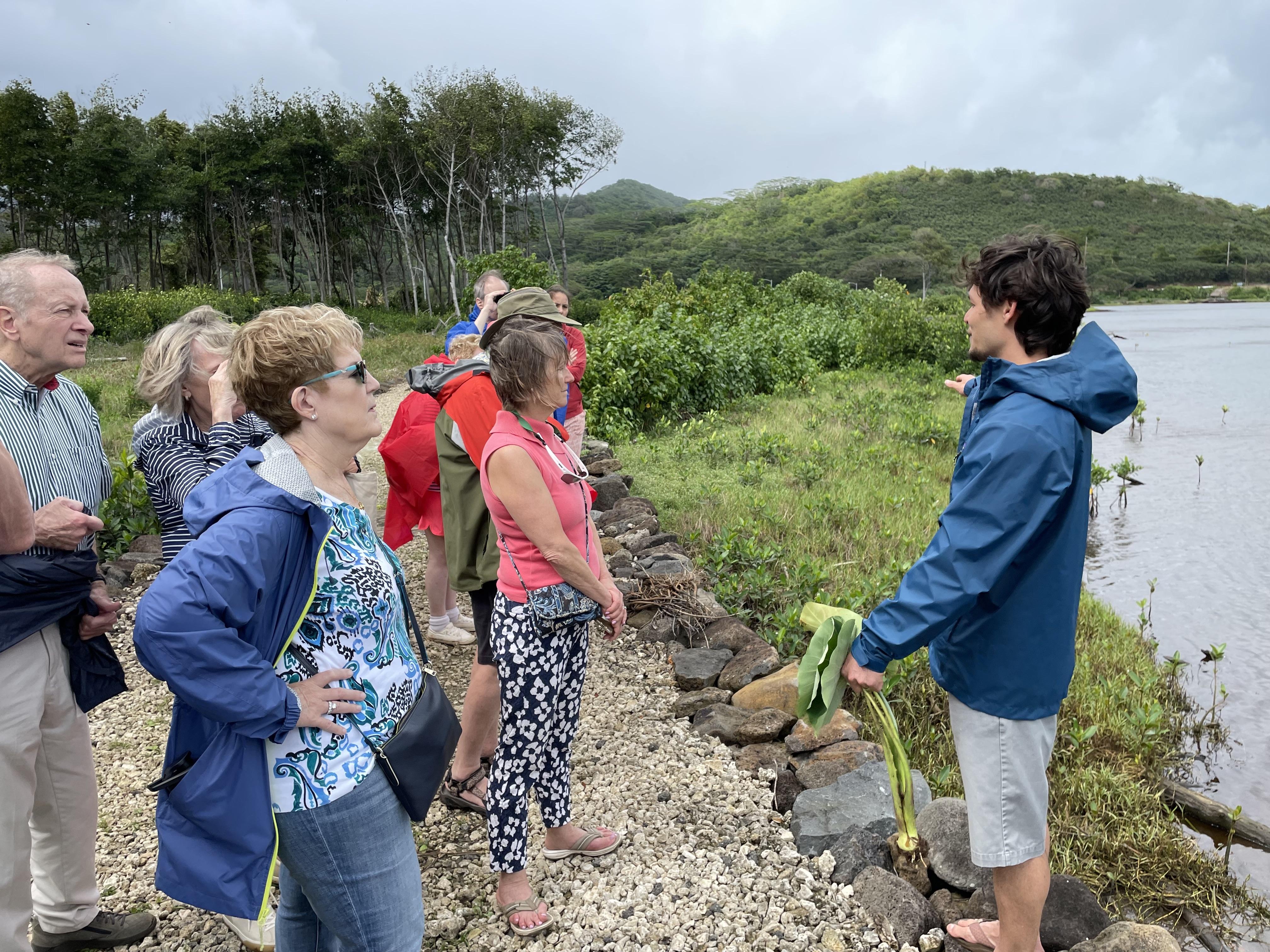
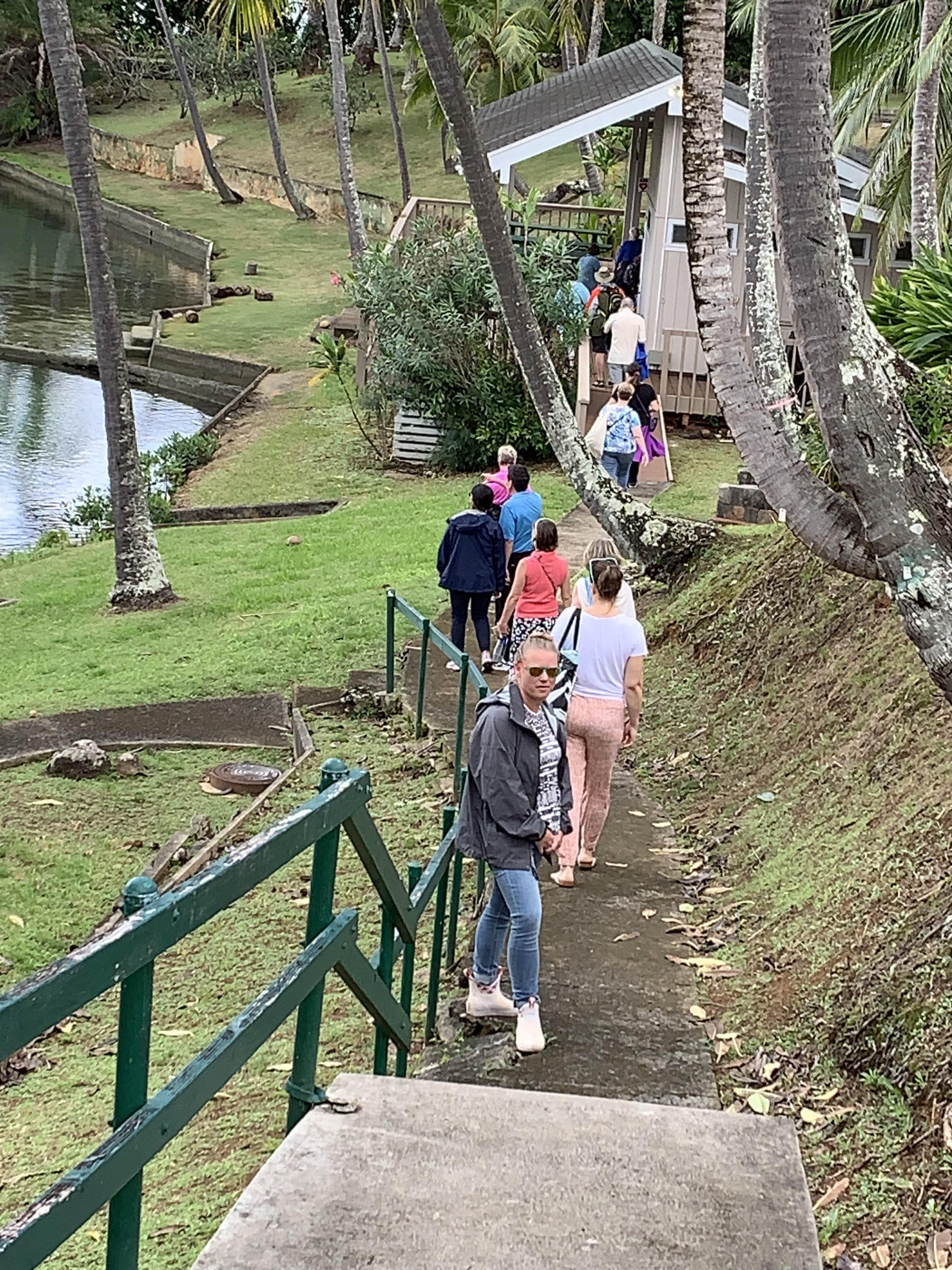
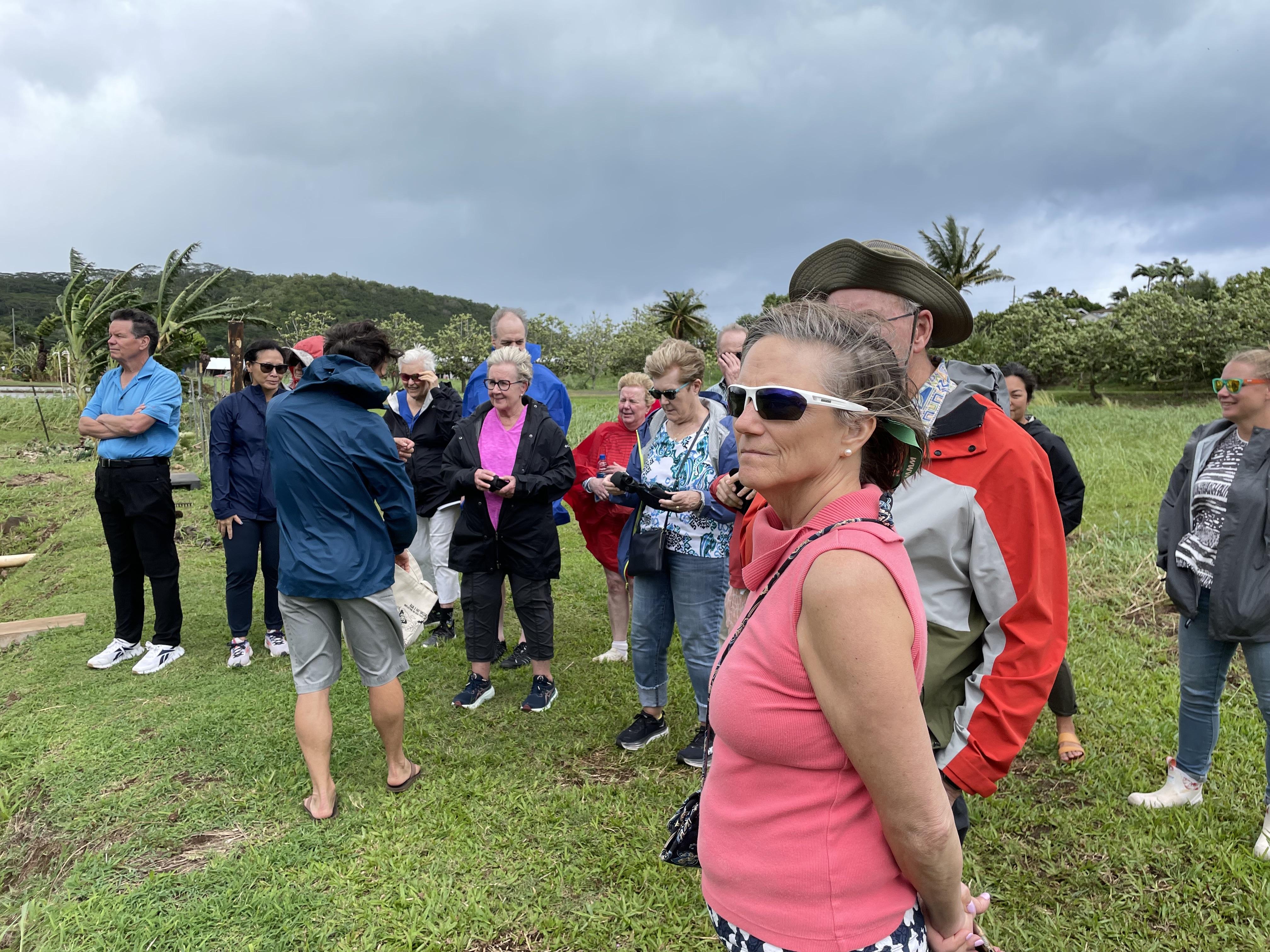
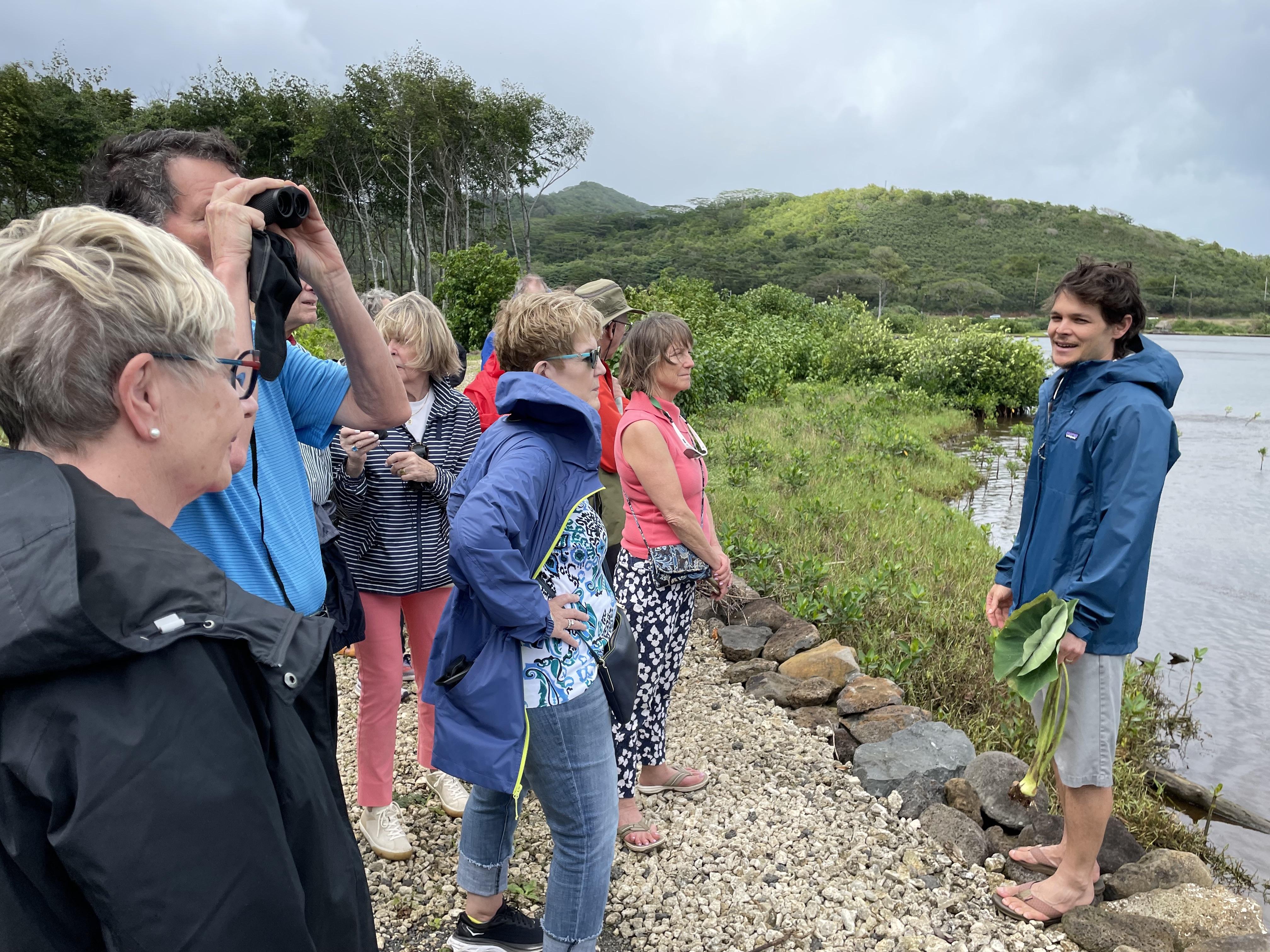
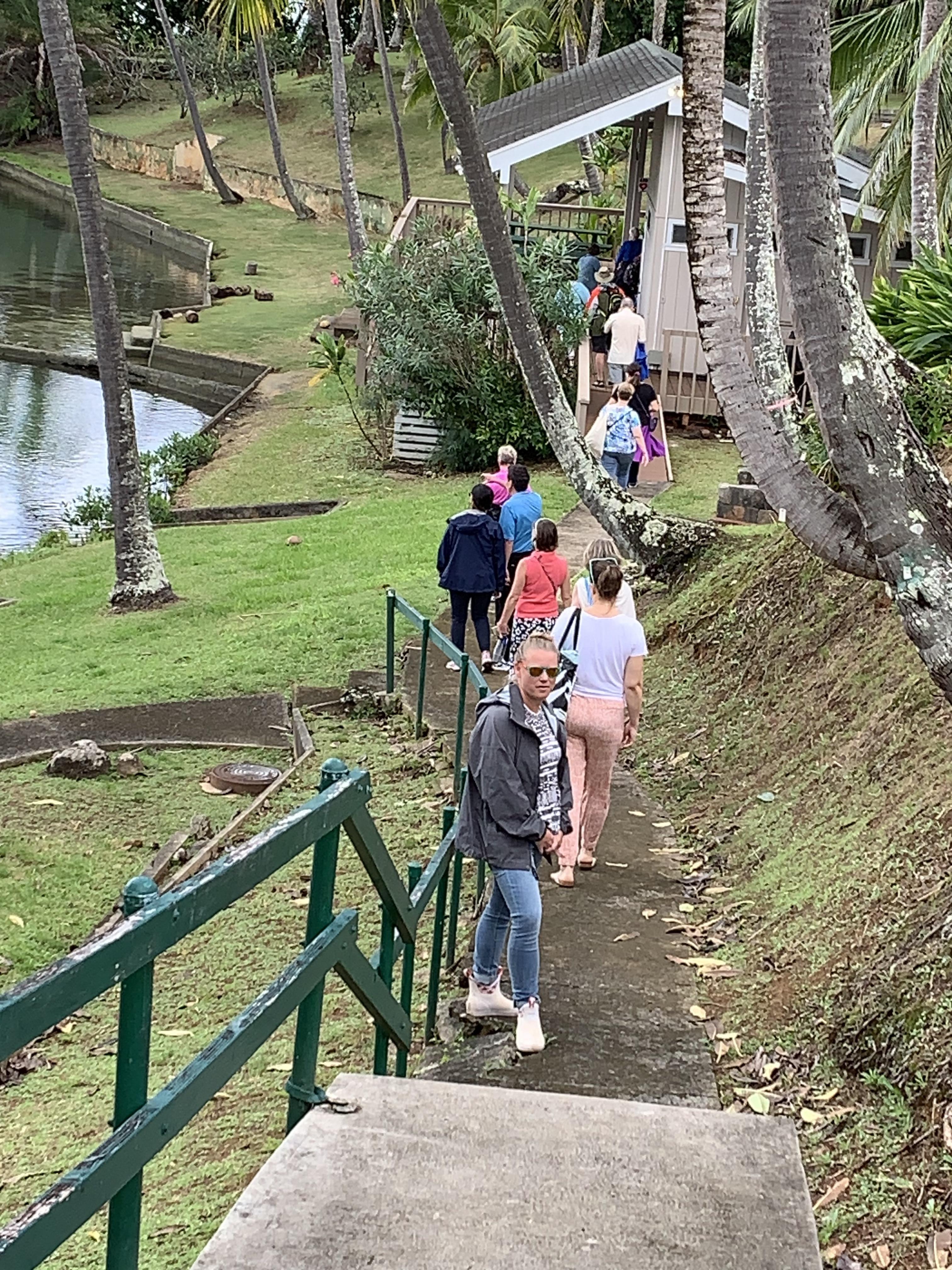
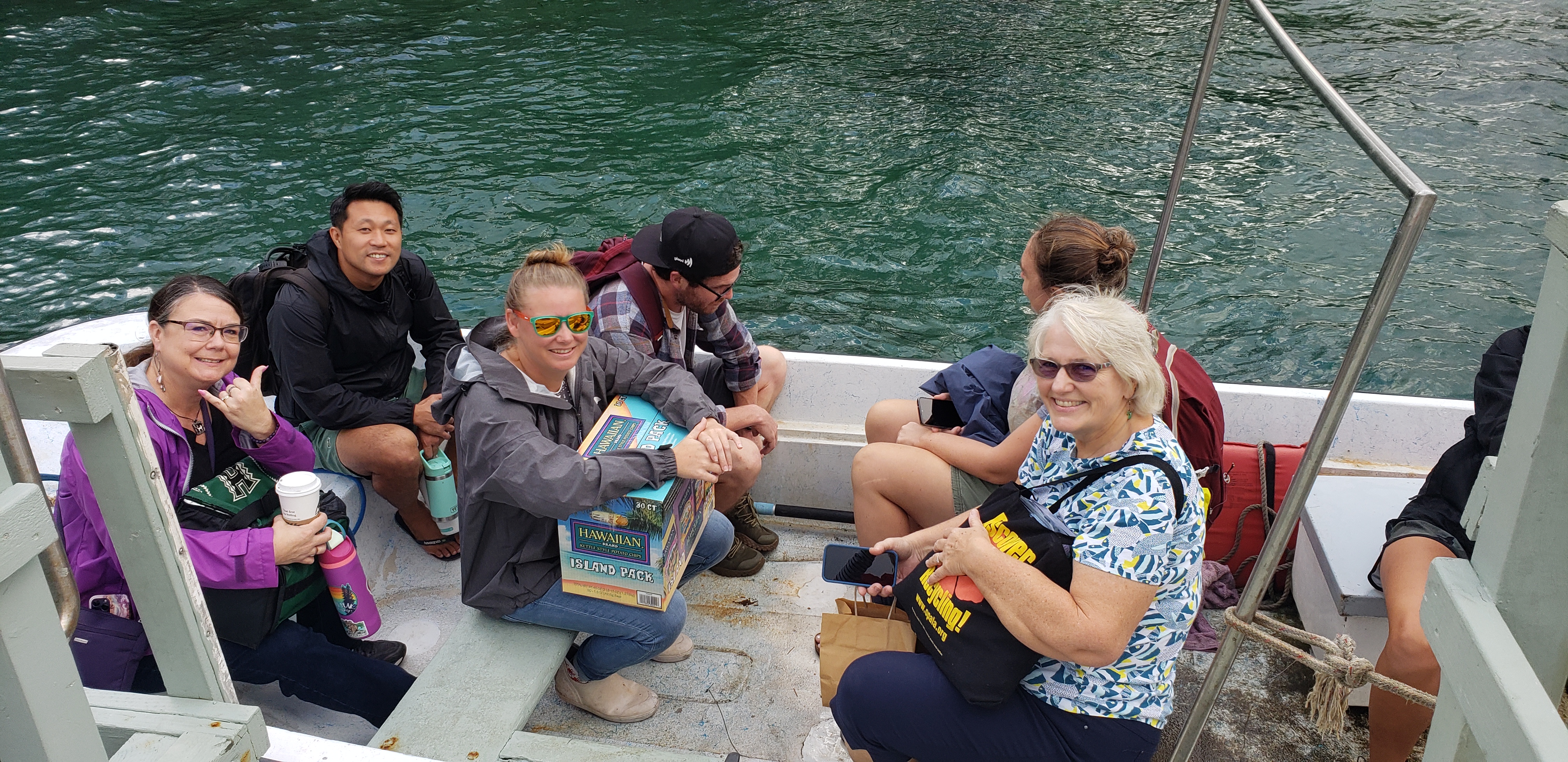
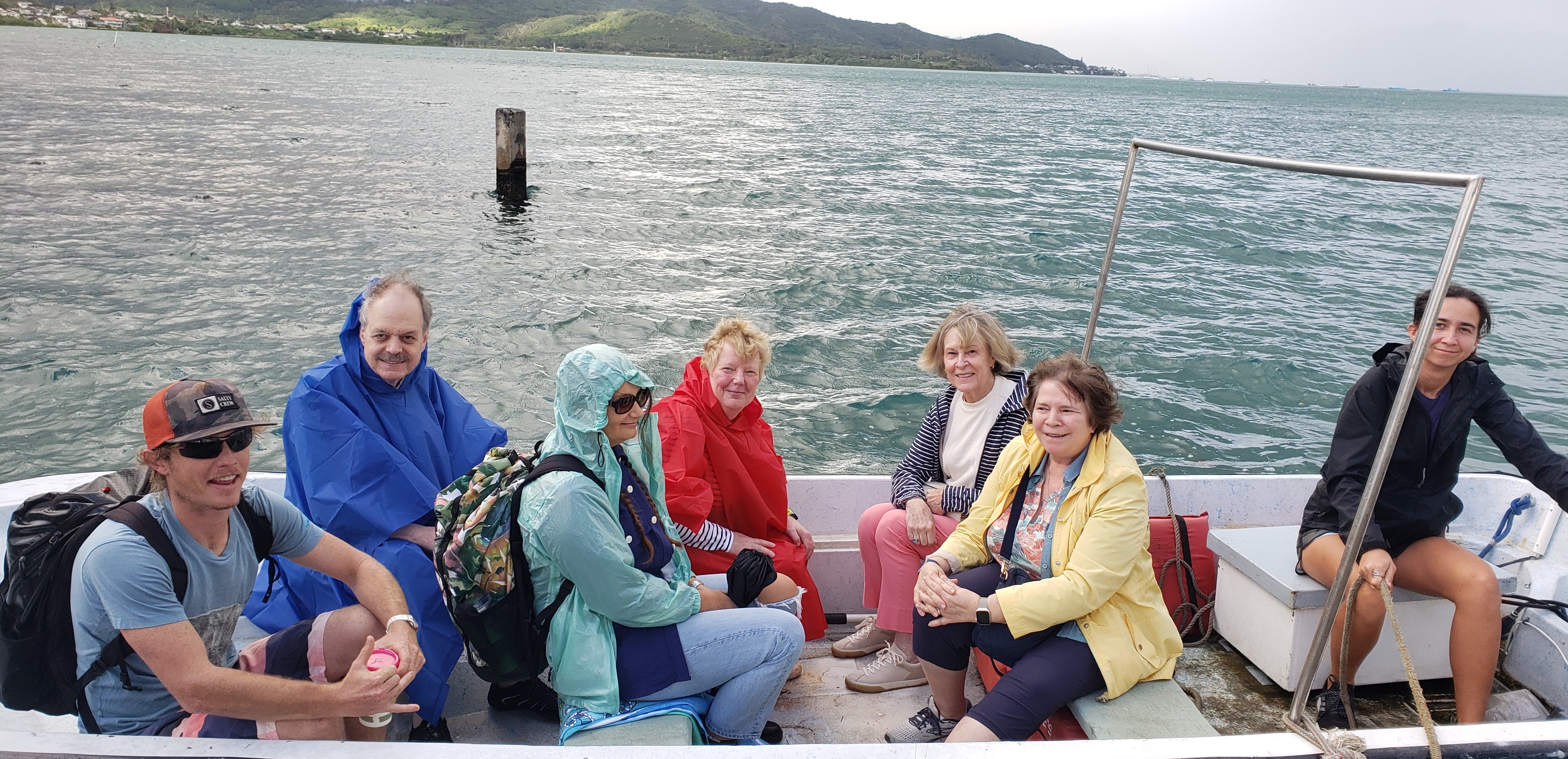
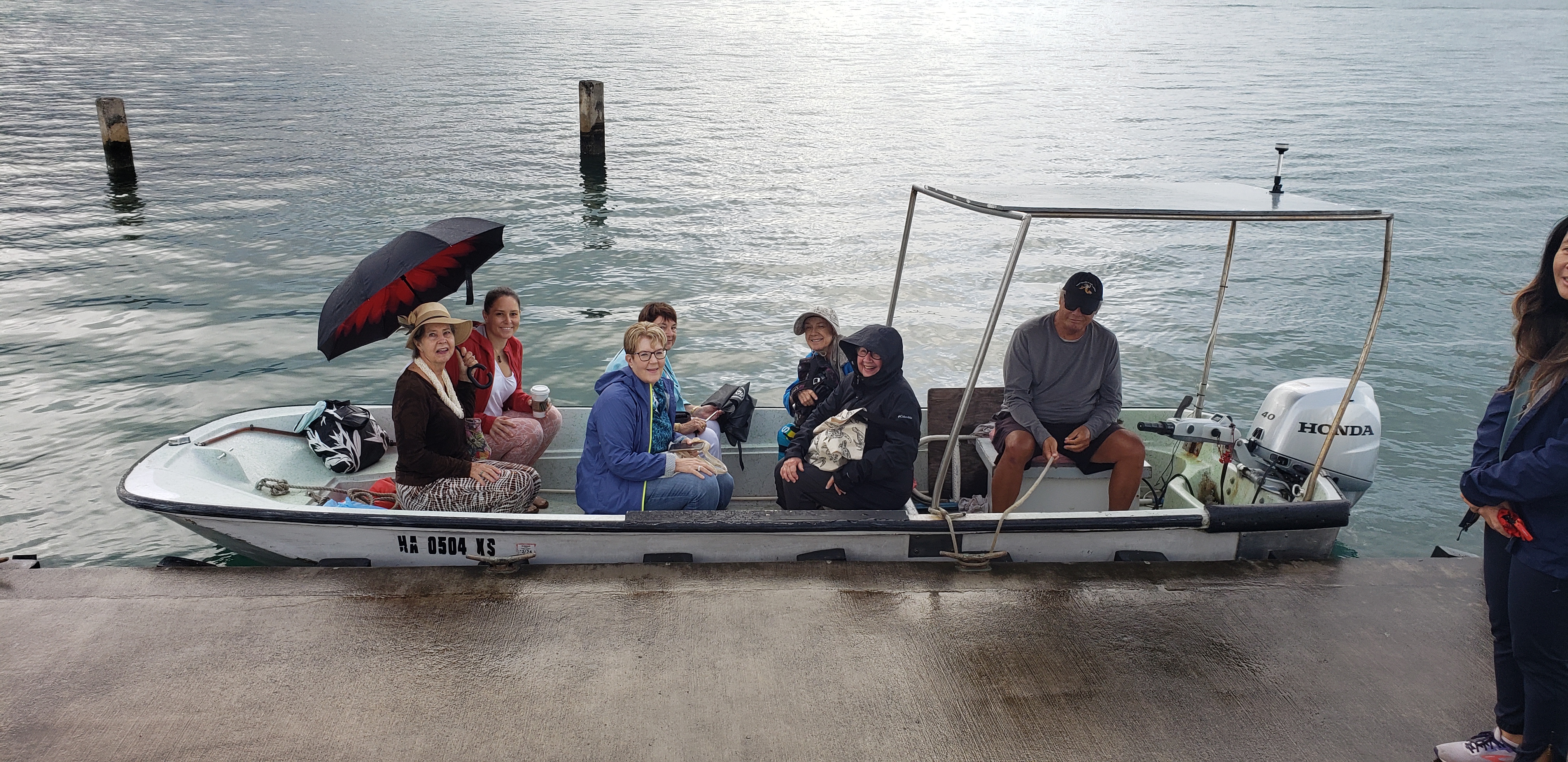
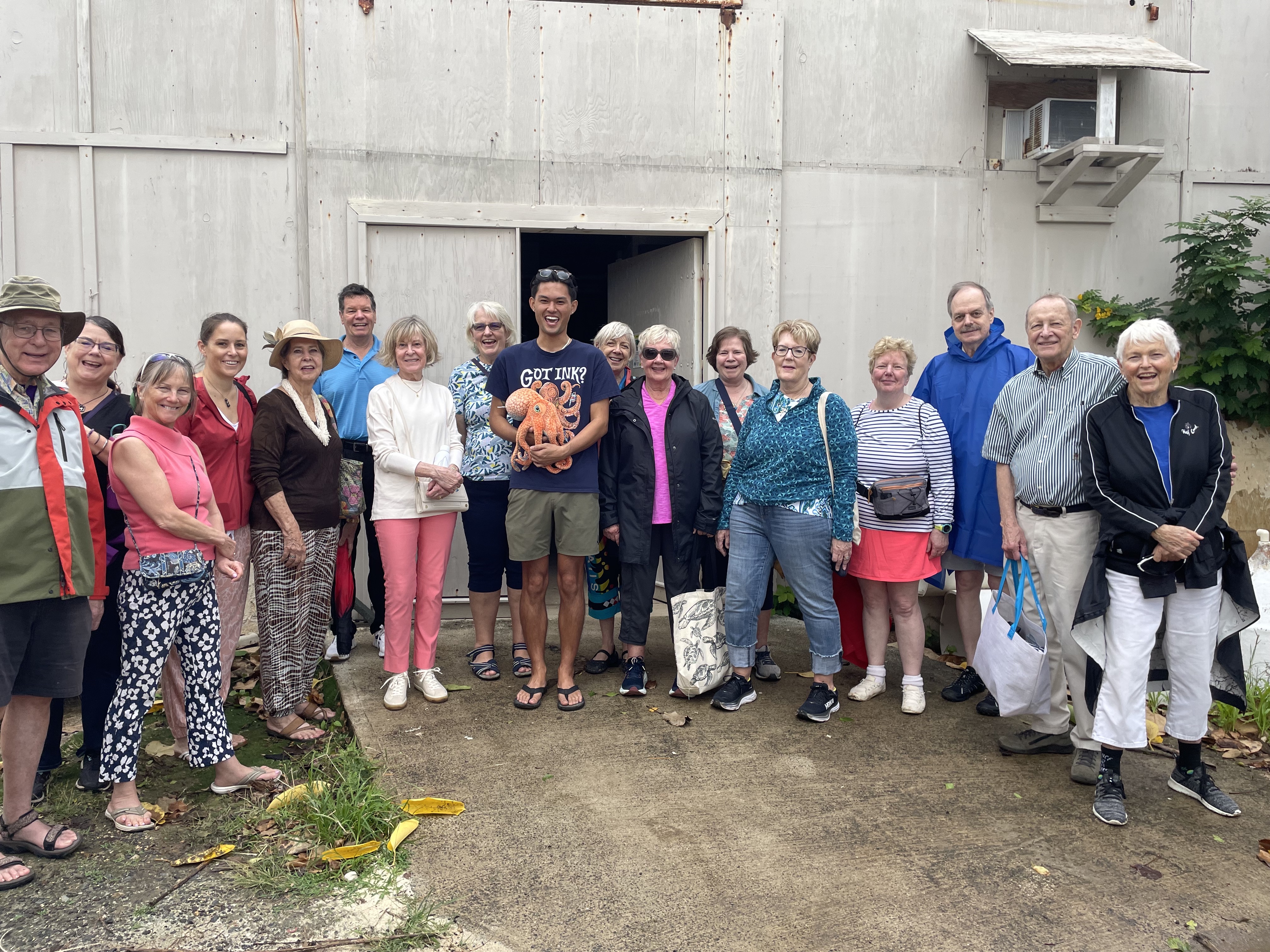
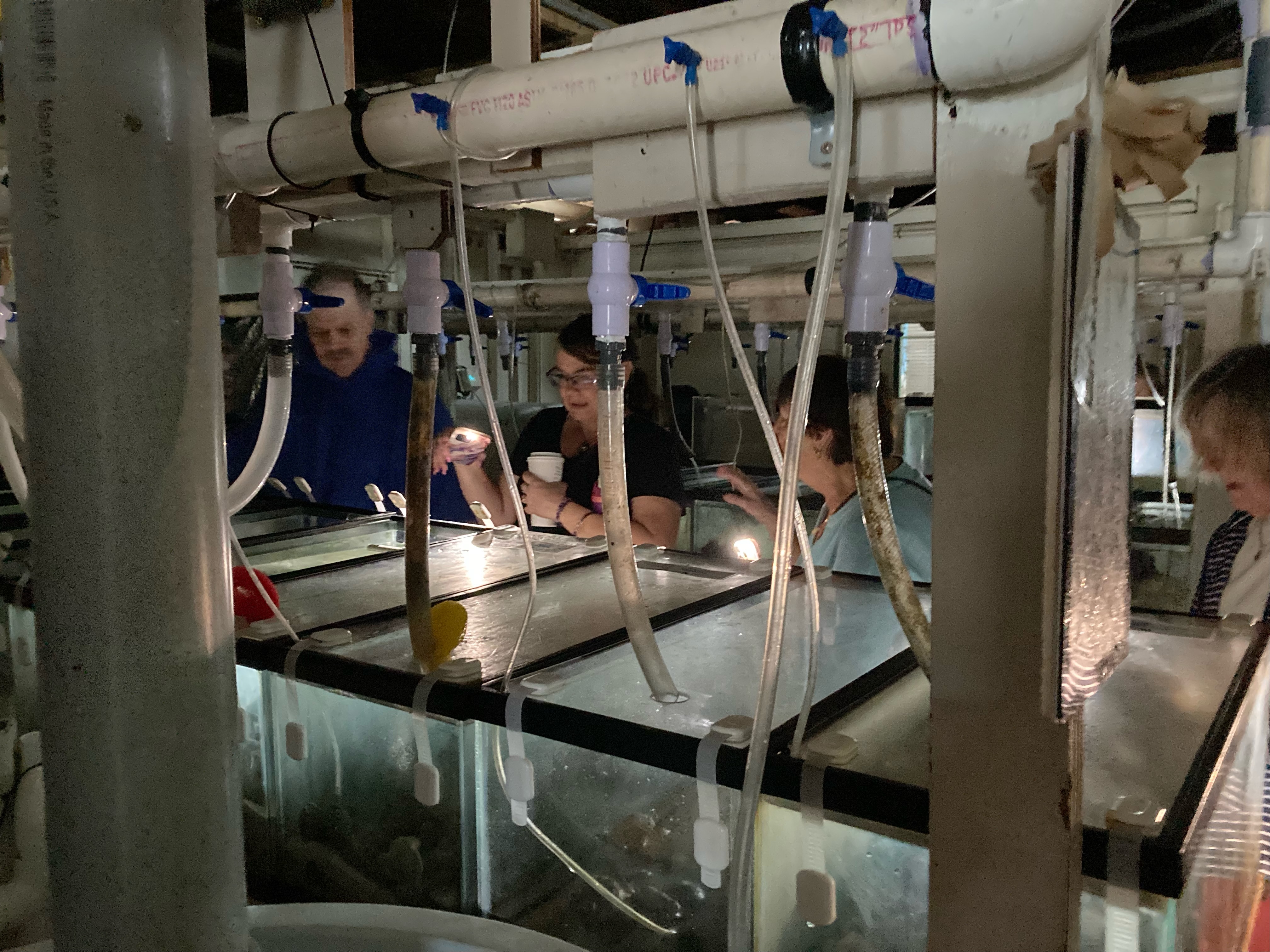
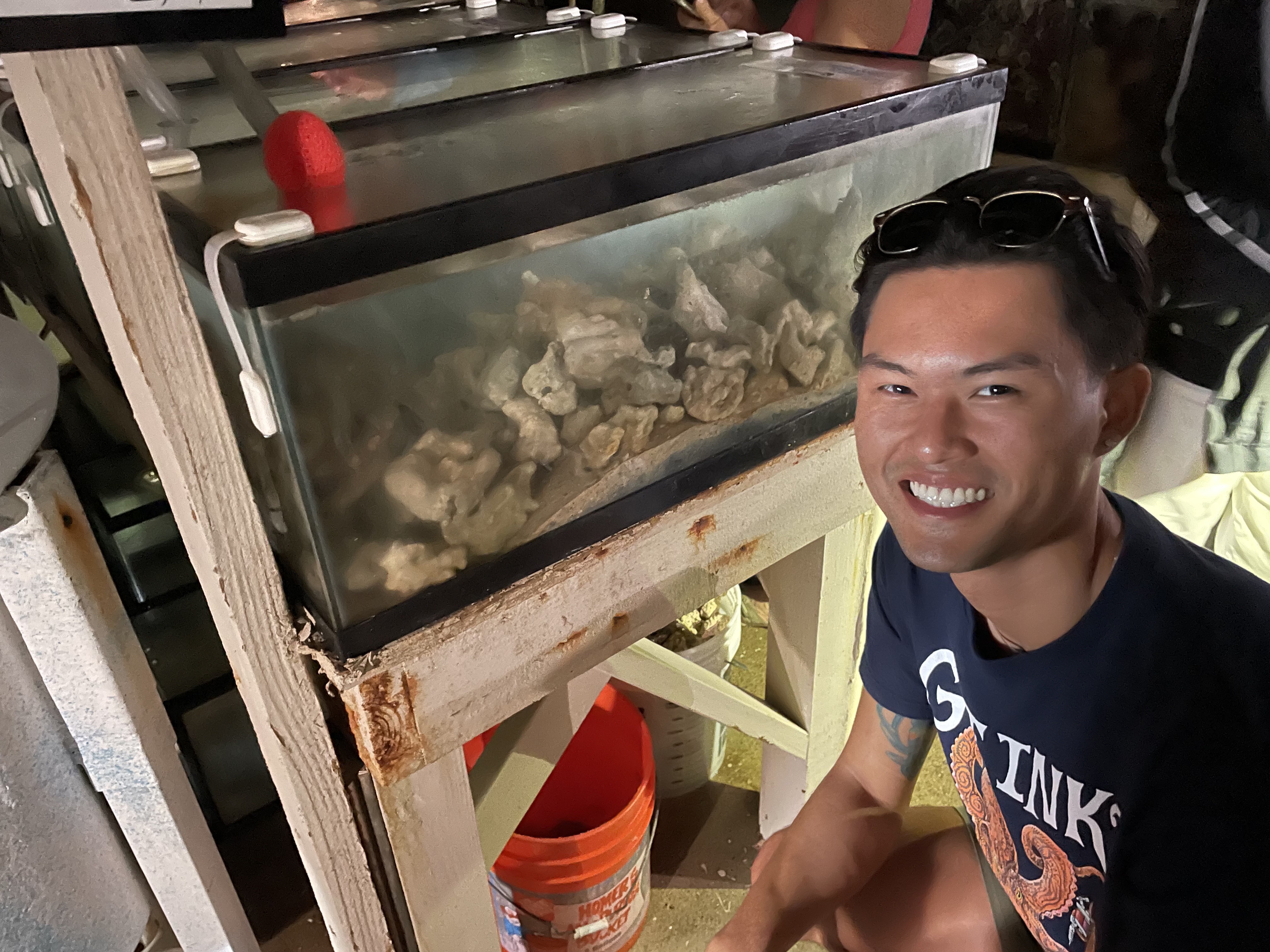
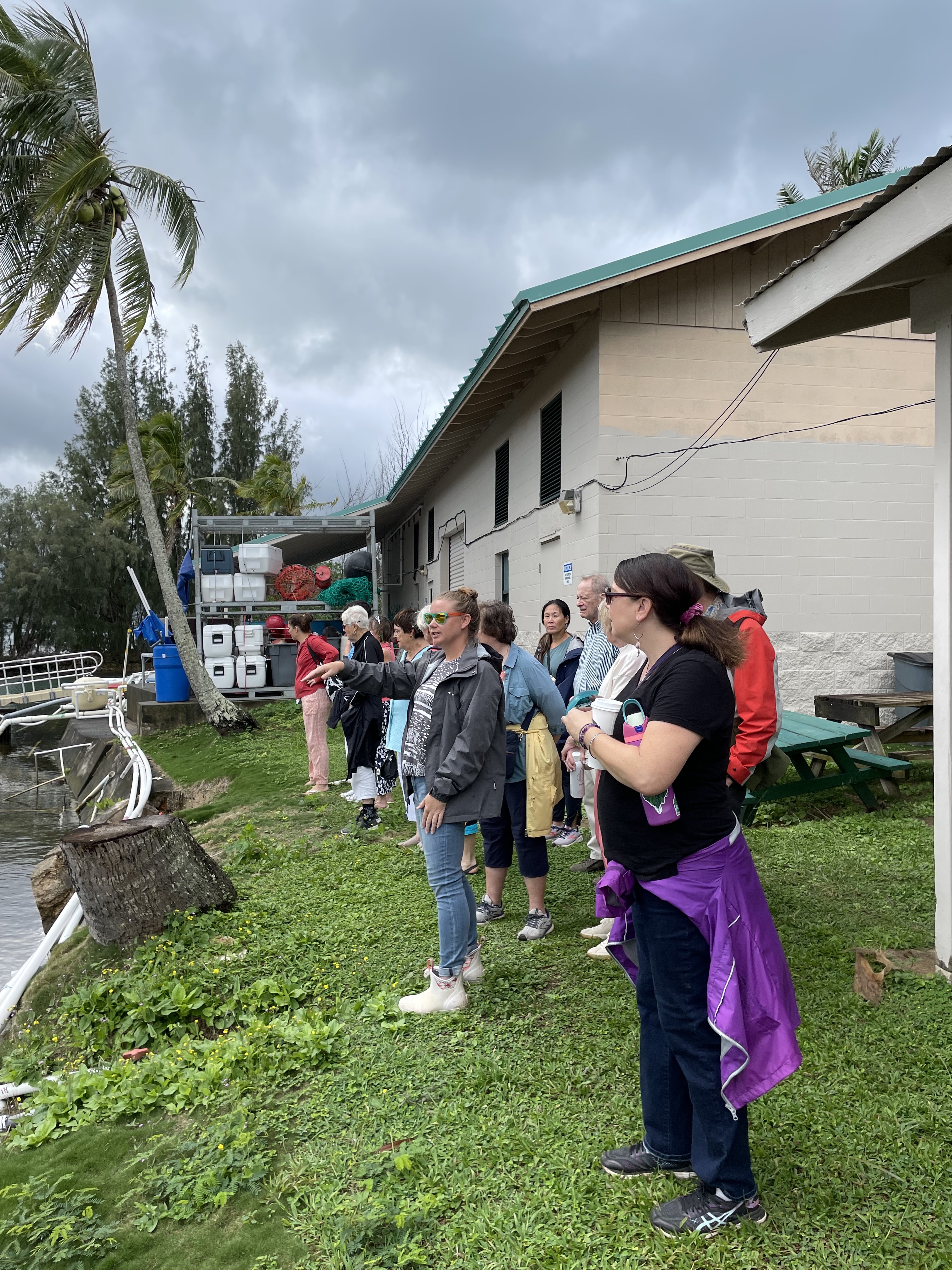
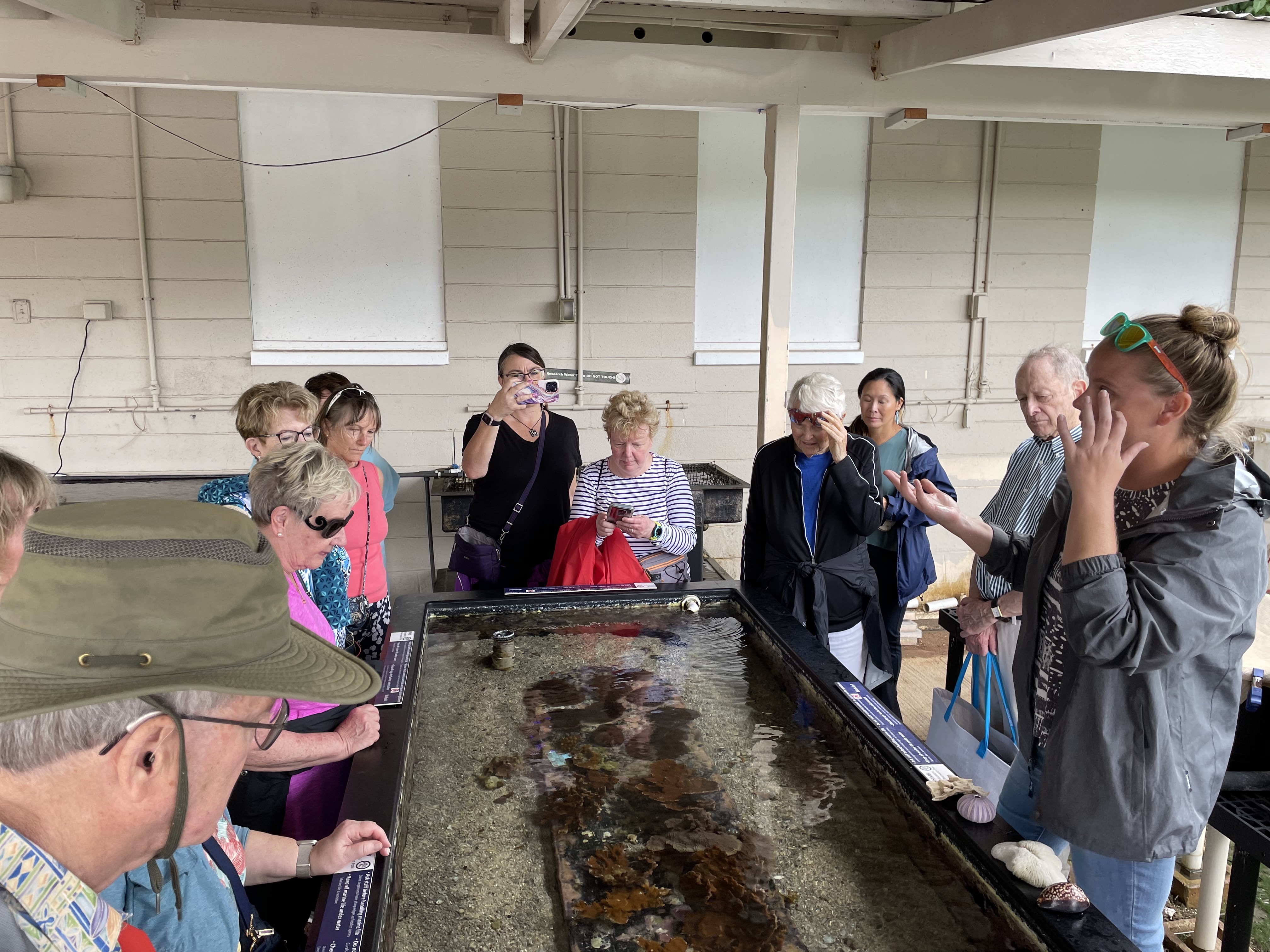
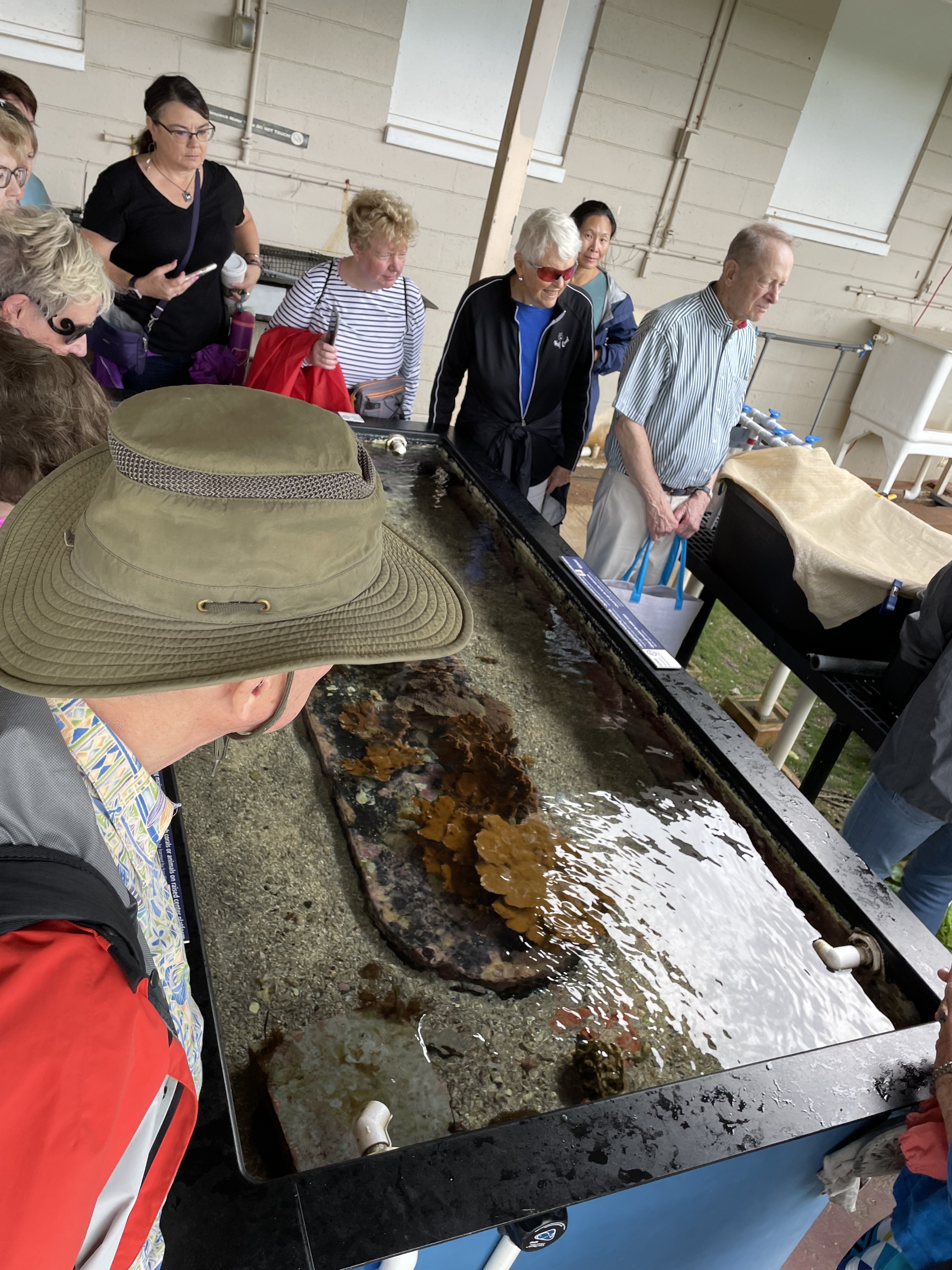
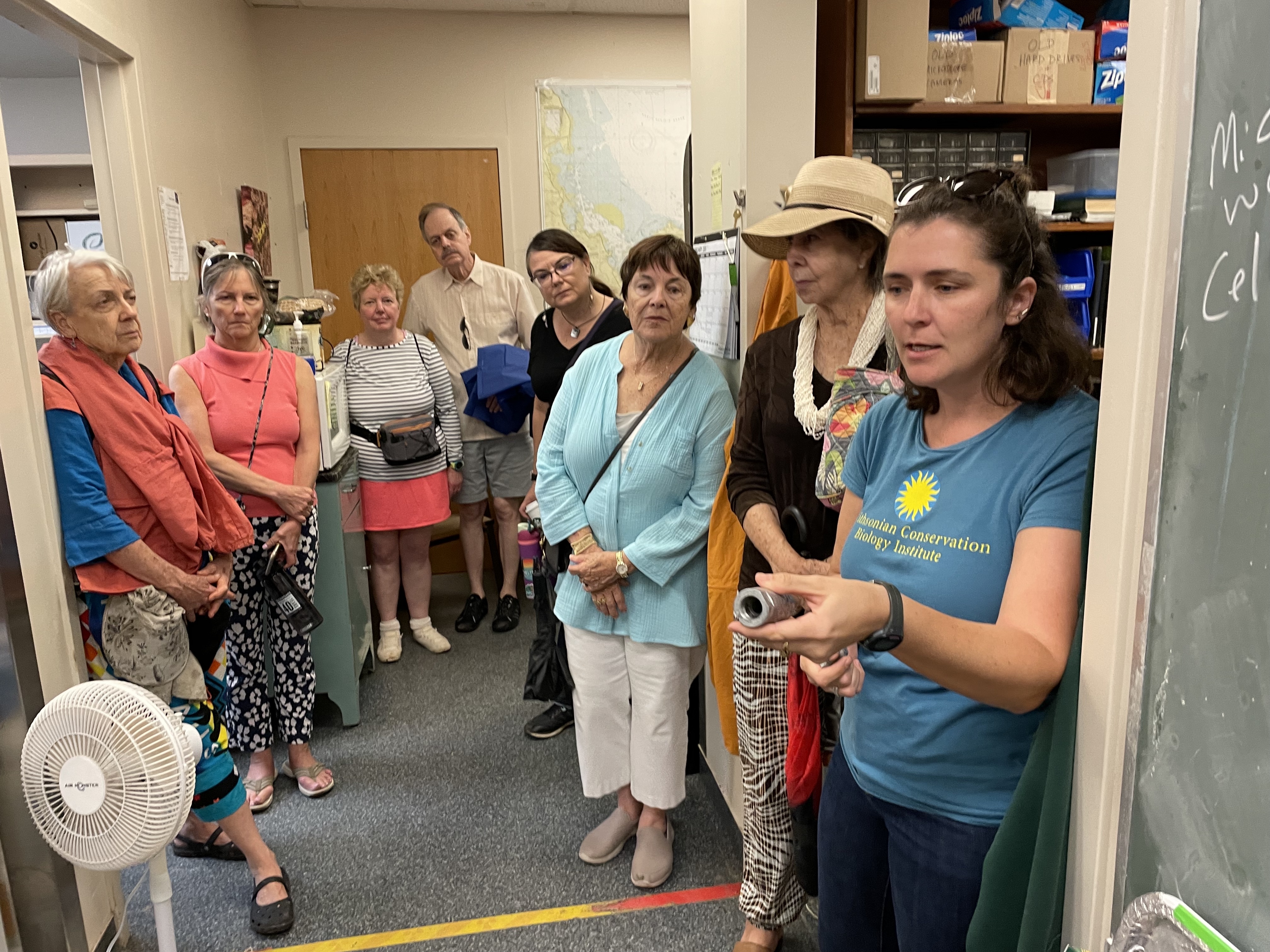
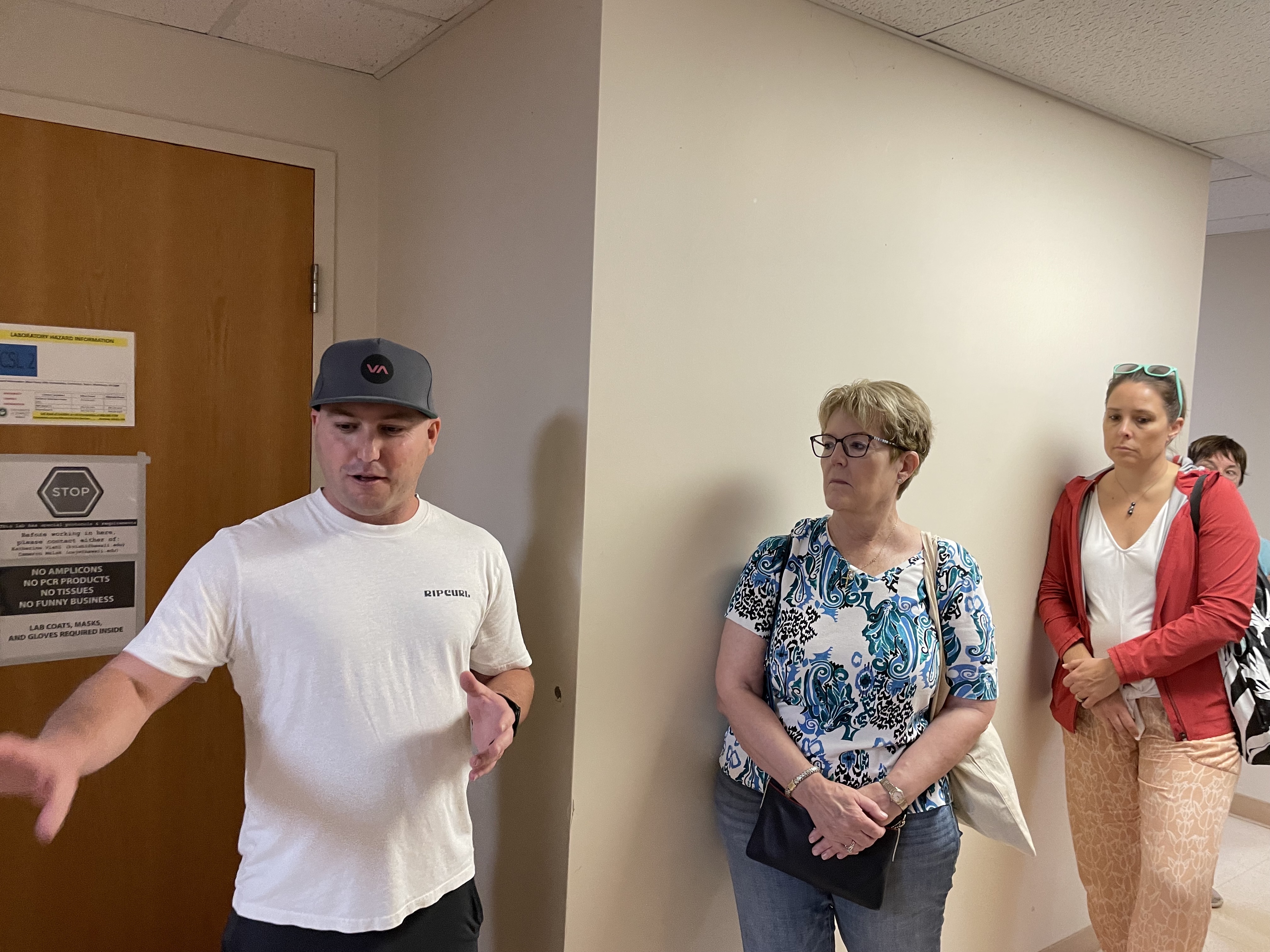
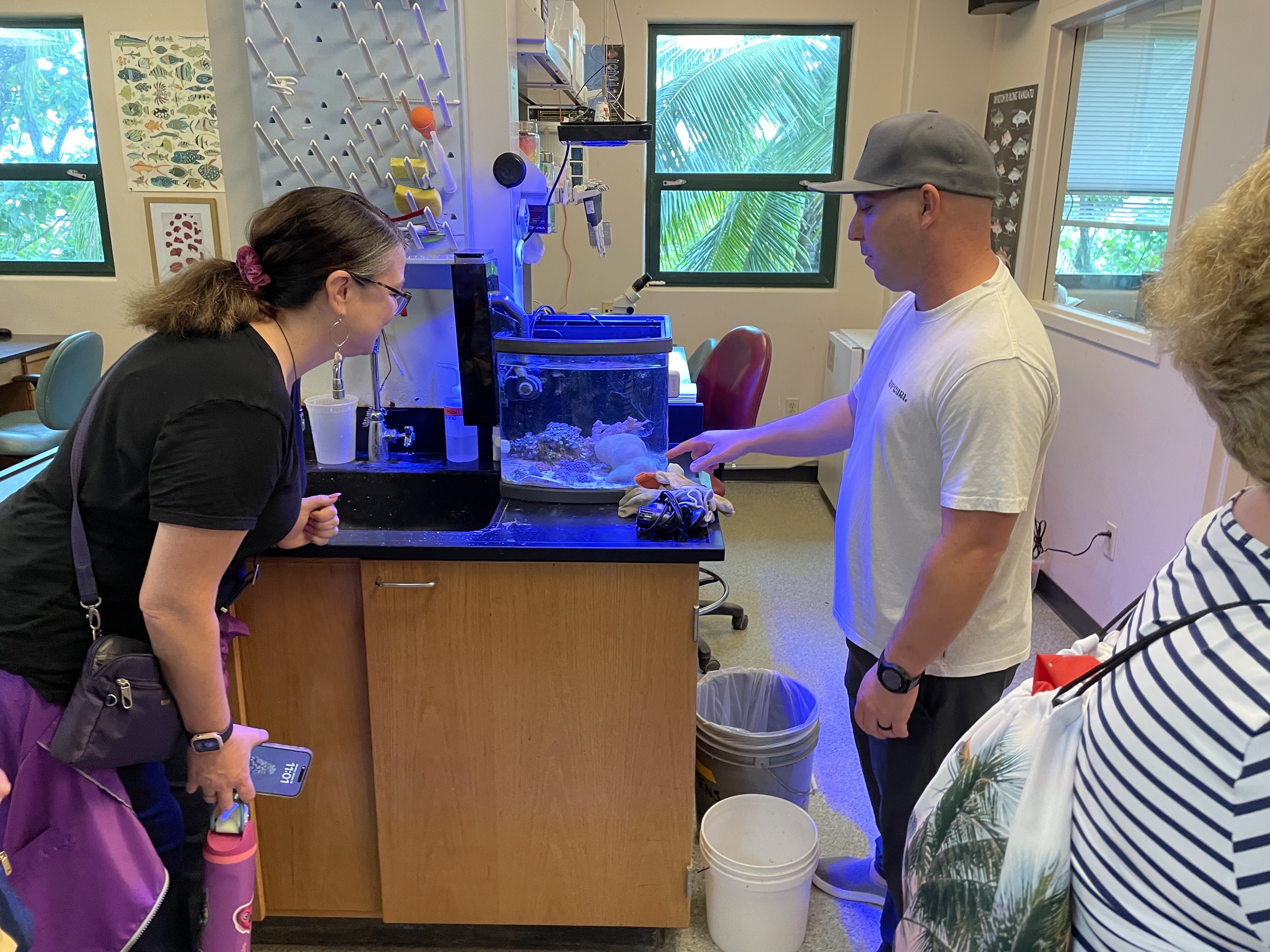
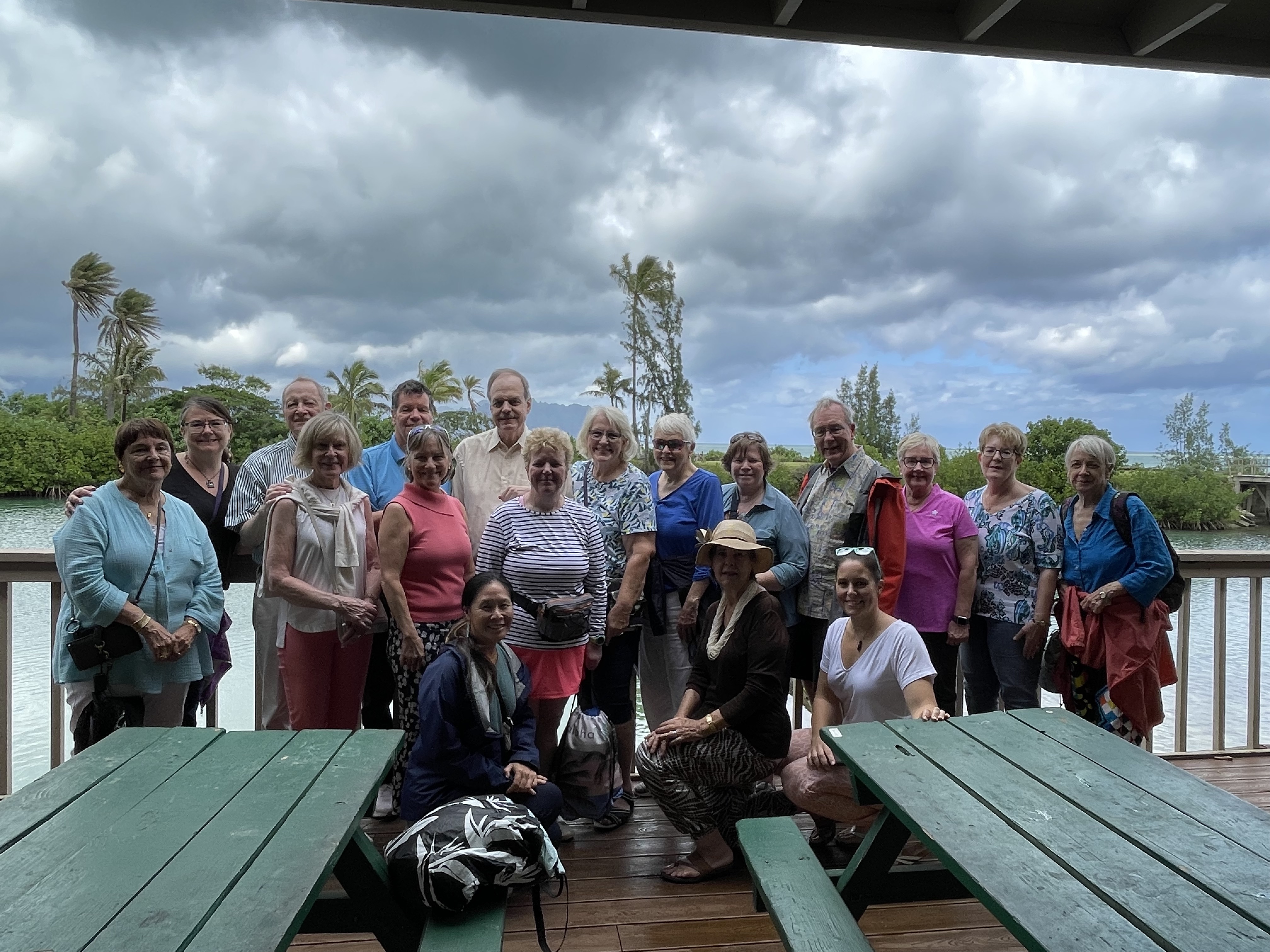
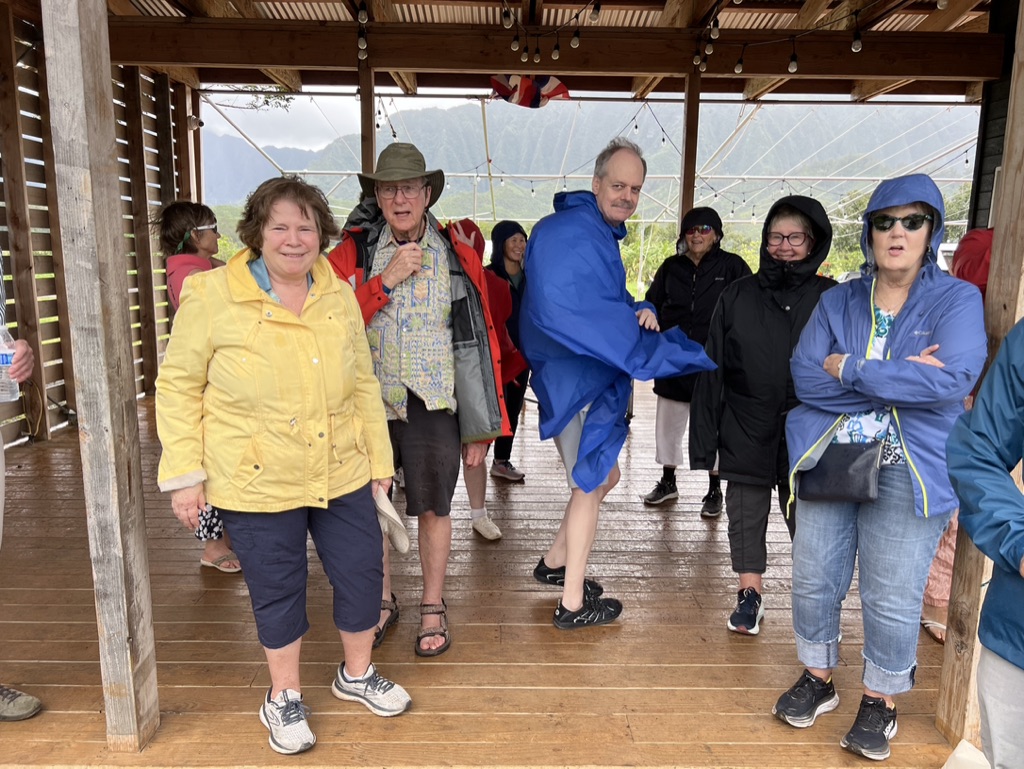
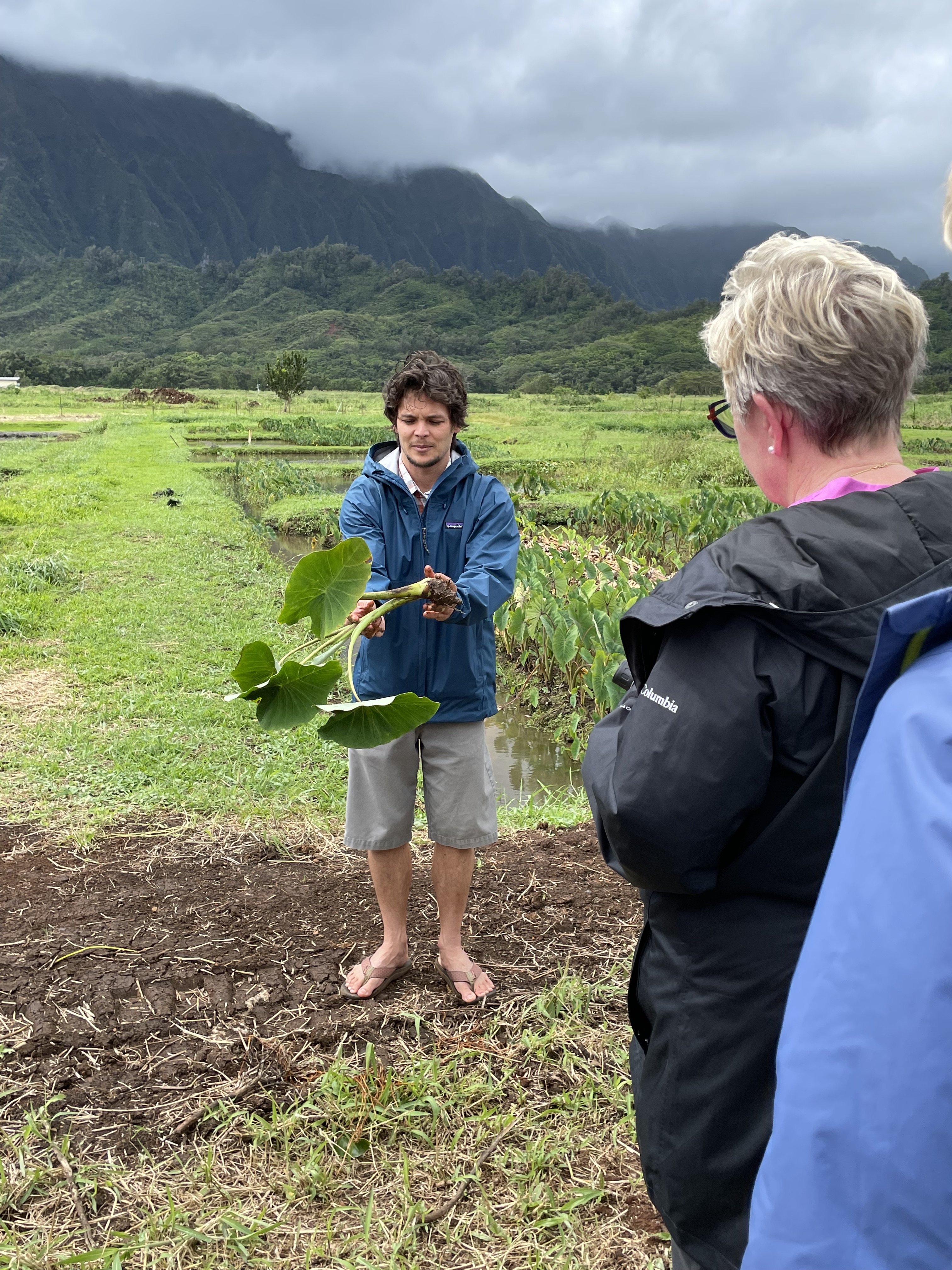
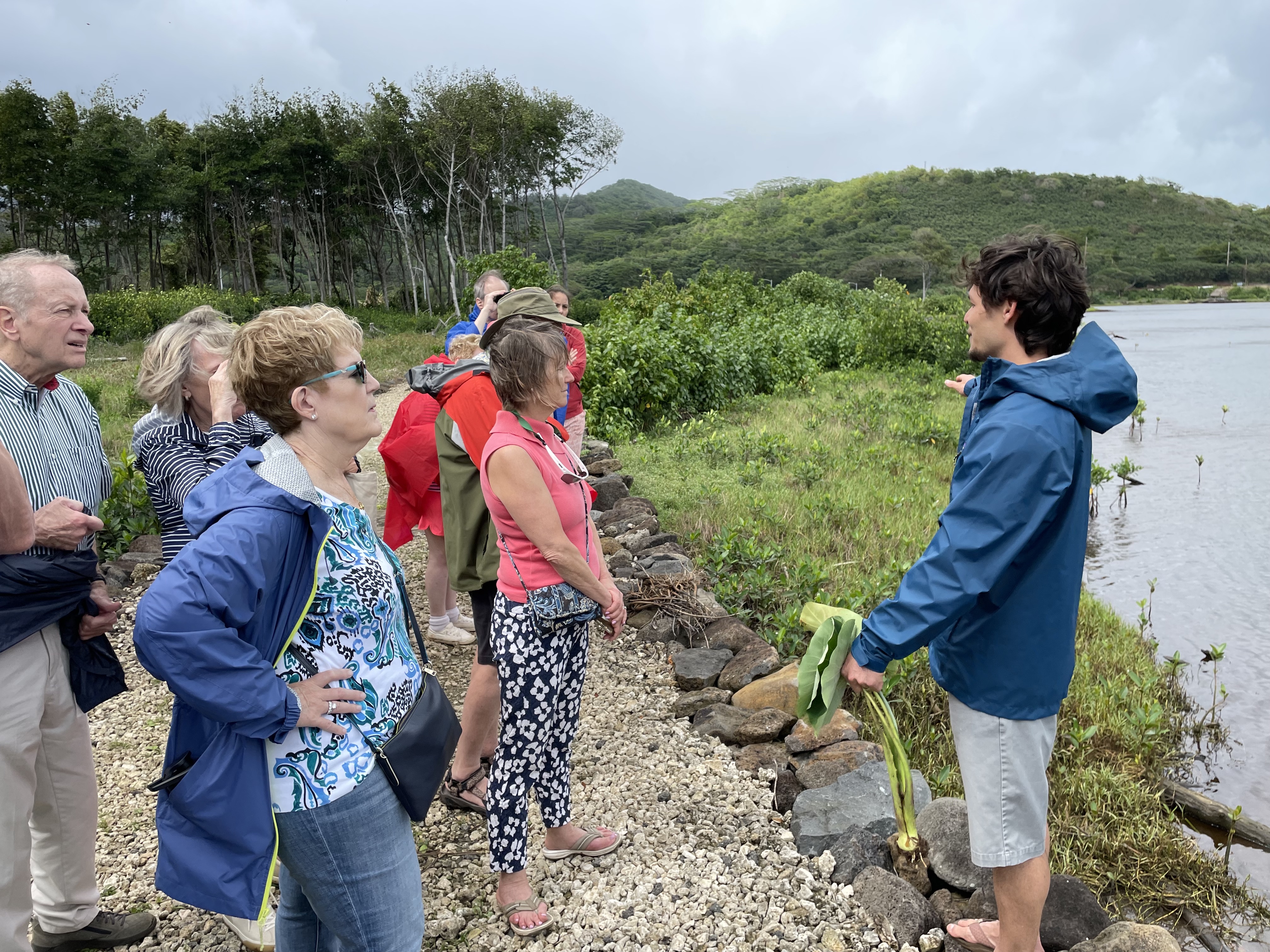
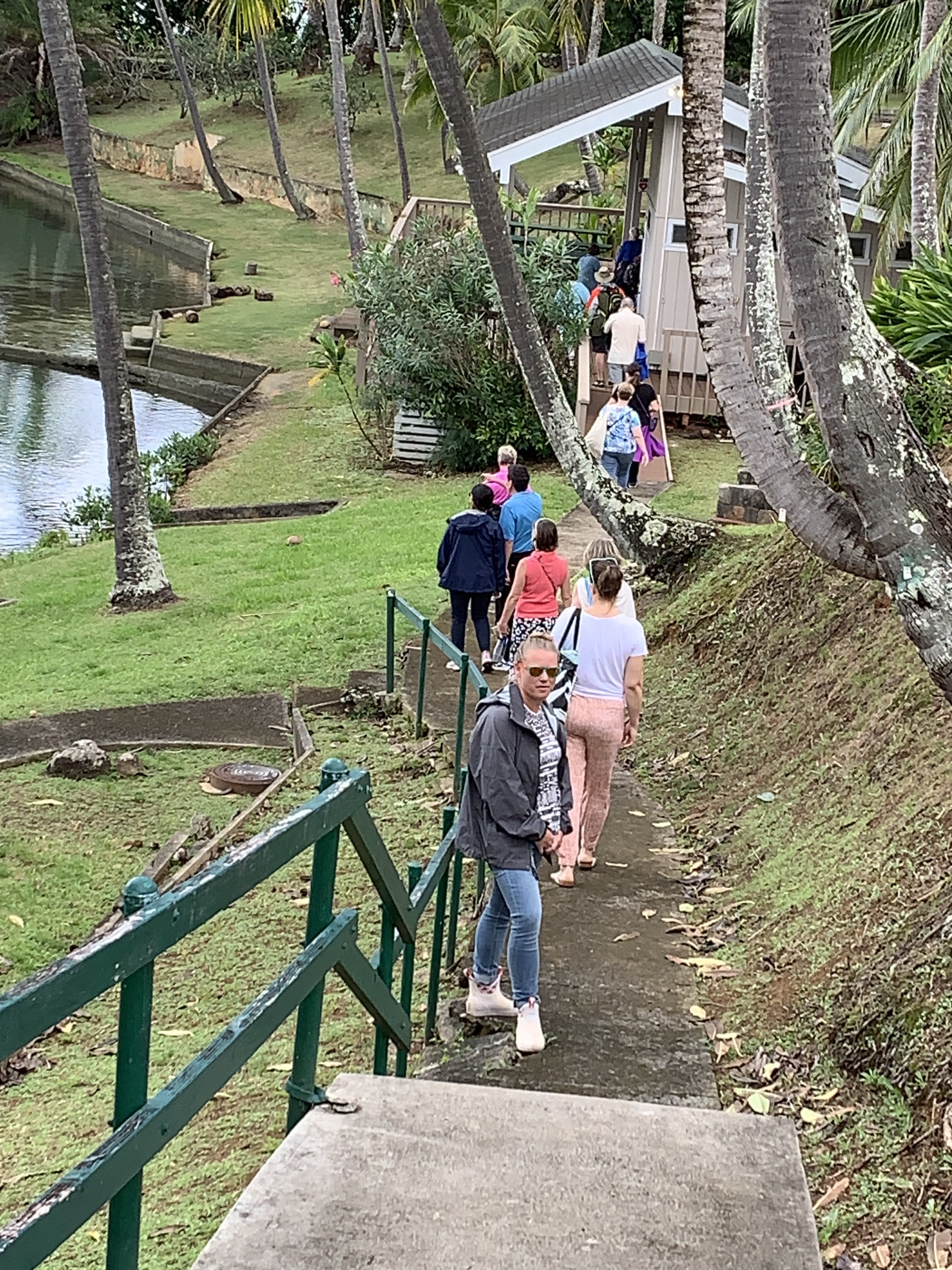
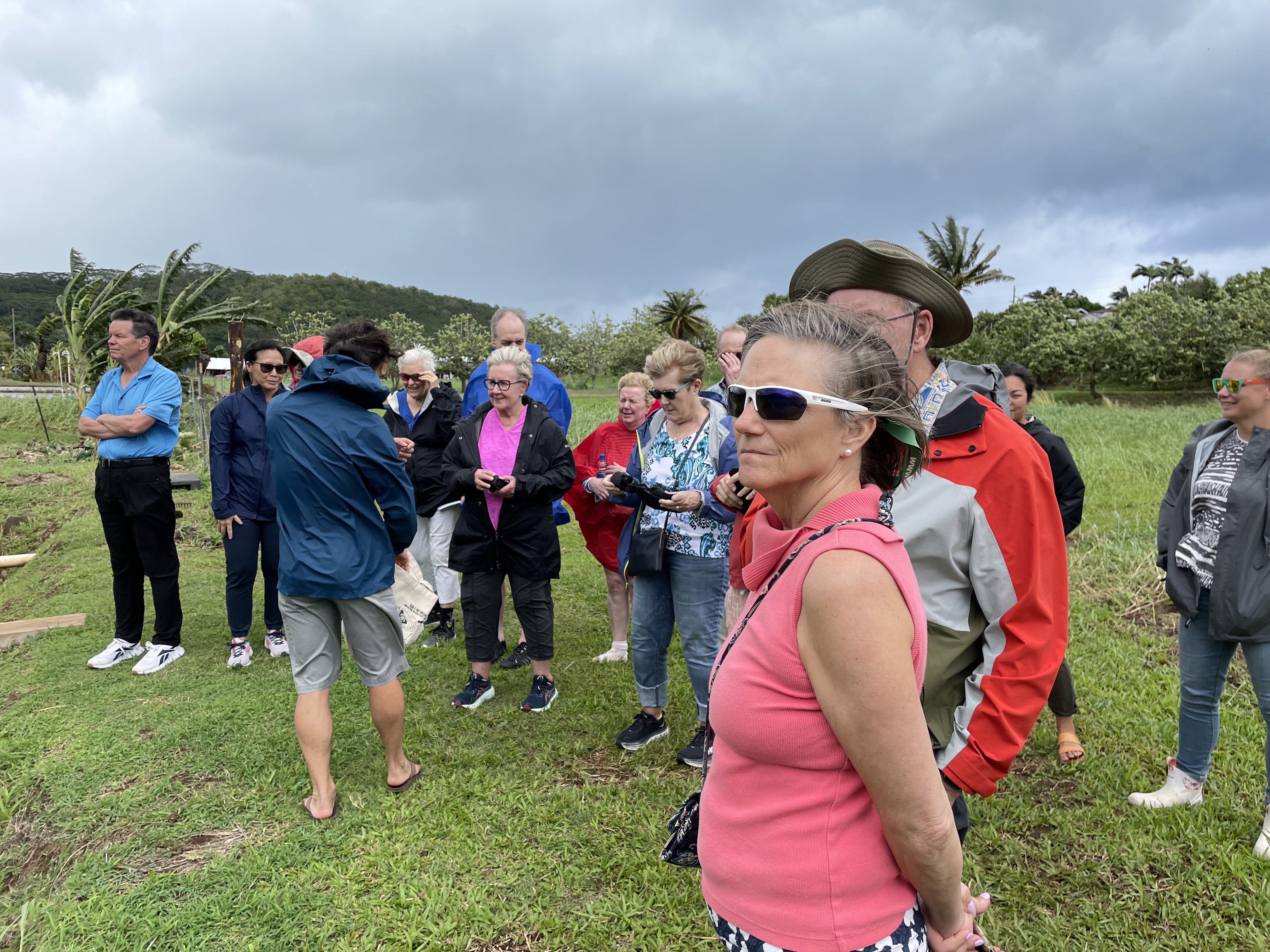
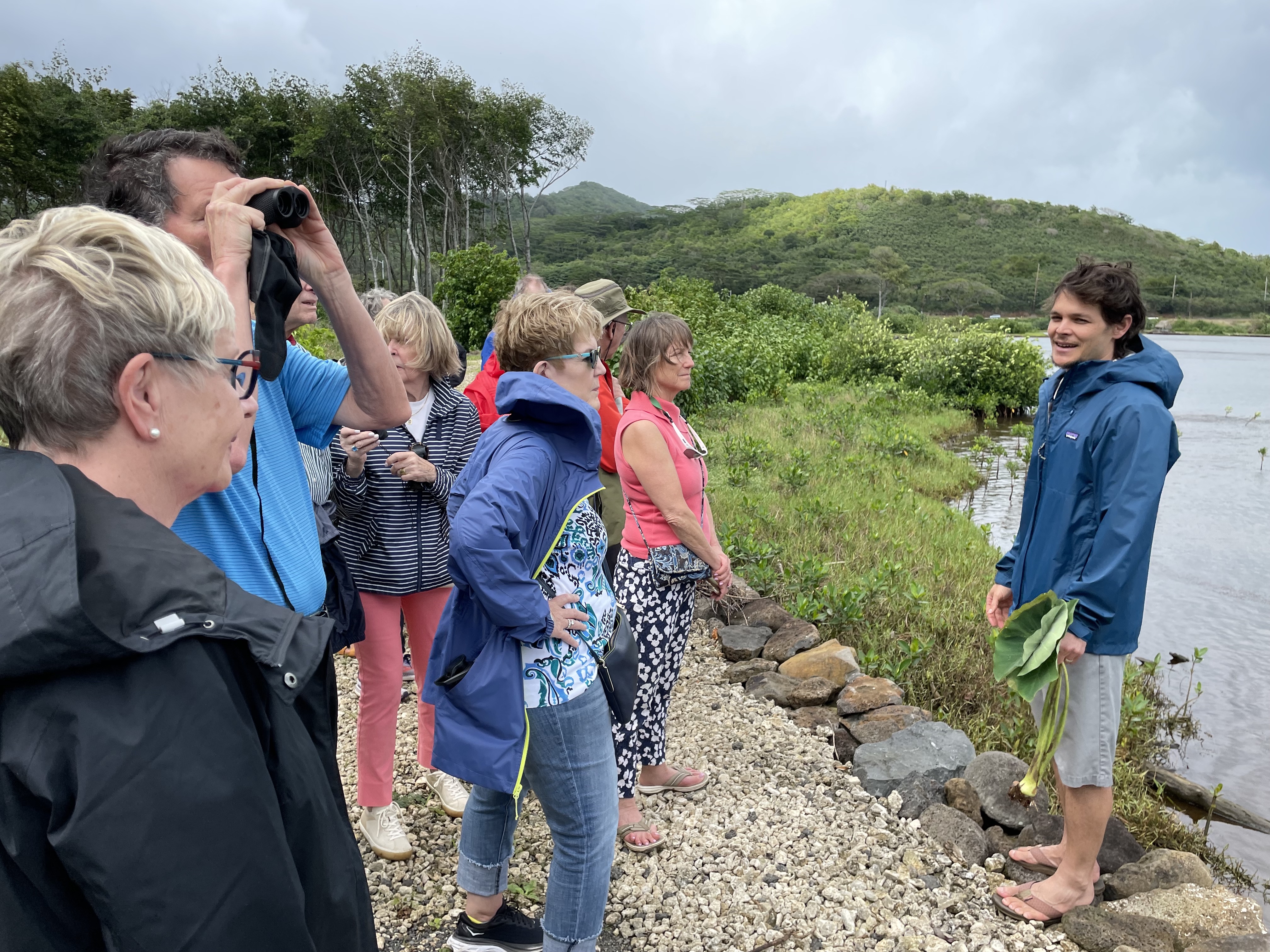
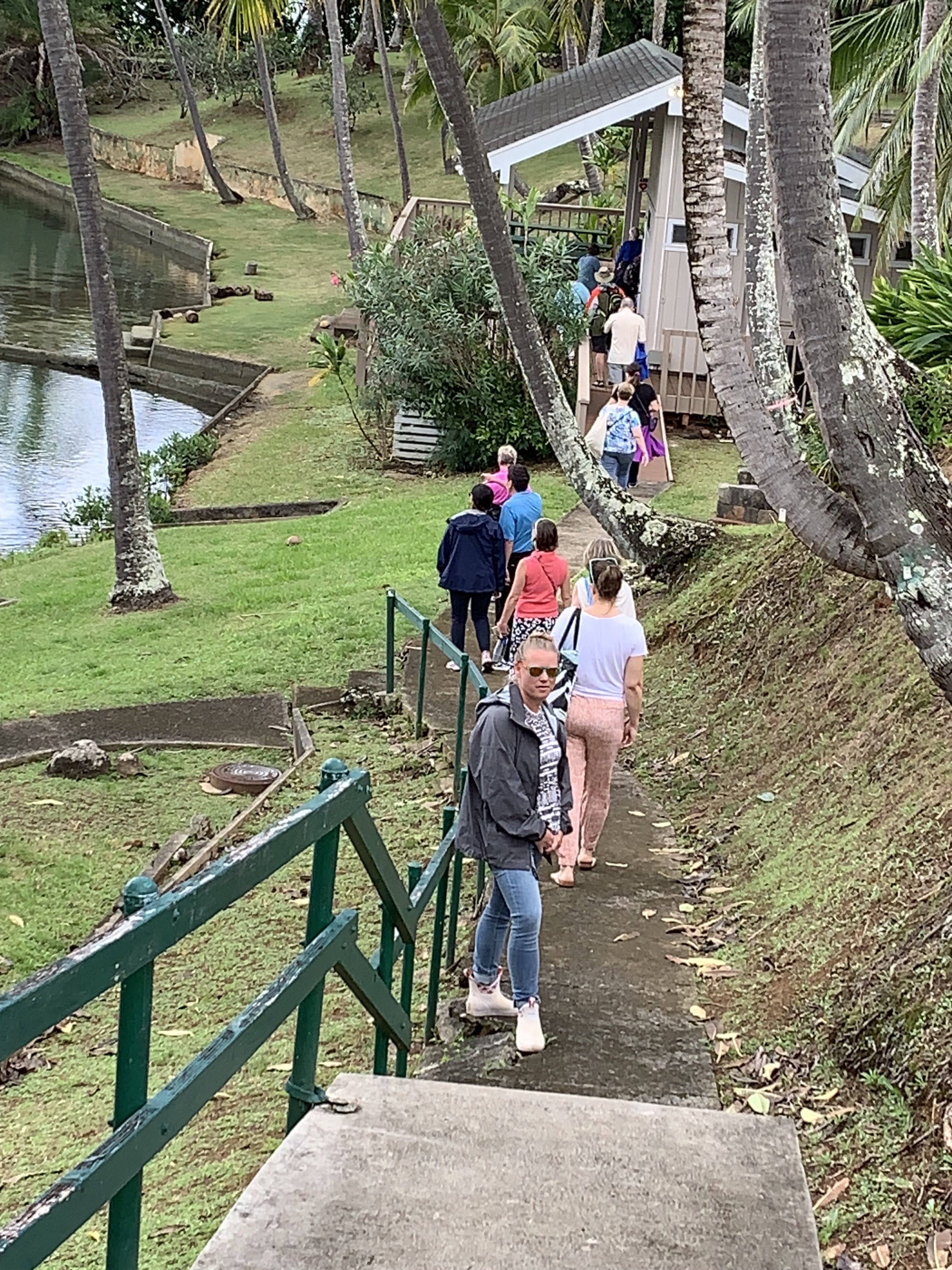
ARCS Foundation Honolulu Chapter started with a meeting on Coconut Island, where Barbara Pauley, a charter member of the Los Angeles Founding Chapter. She and her husband enjoyed visiting with Univeristy of Hawai‘i scientists working on the state-owned perimeter while staying at their vacation home on the island's interior. The ARCS Honolulu Chaoter provided $2.5 million for UH graduate students in STEM fields in the 50 years following that 1974 meeting. And Pauley later re-purchased the privately held portion of the island and gifted it to the university for expansion of the Hawai‘i Institute of Marine Biology. Honolulu members returned to the island for a tour and picnic with guests attending the January 2024 National Board Meeting in Honolulu.
Scholar Update: Indigenous Scientist Haunani Kane
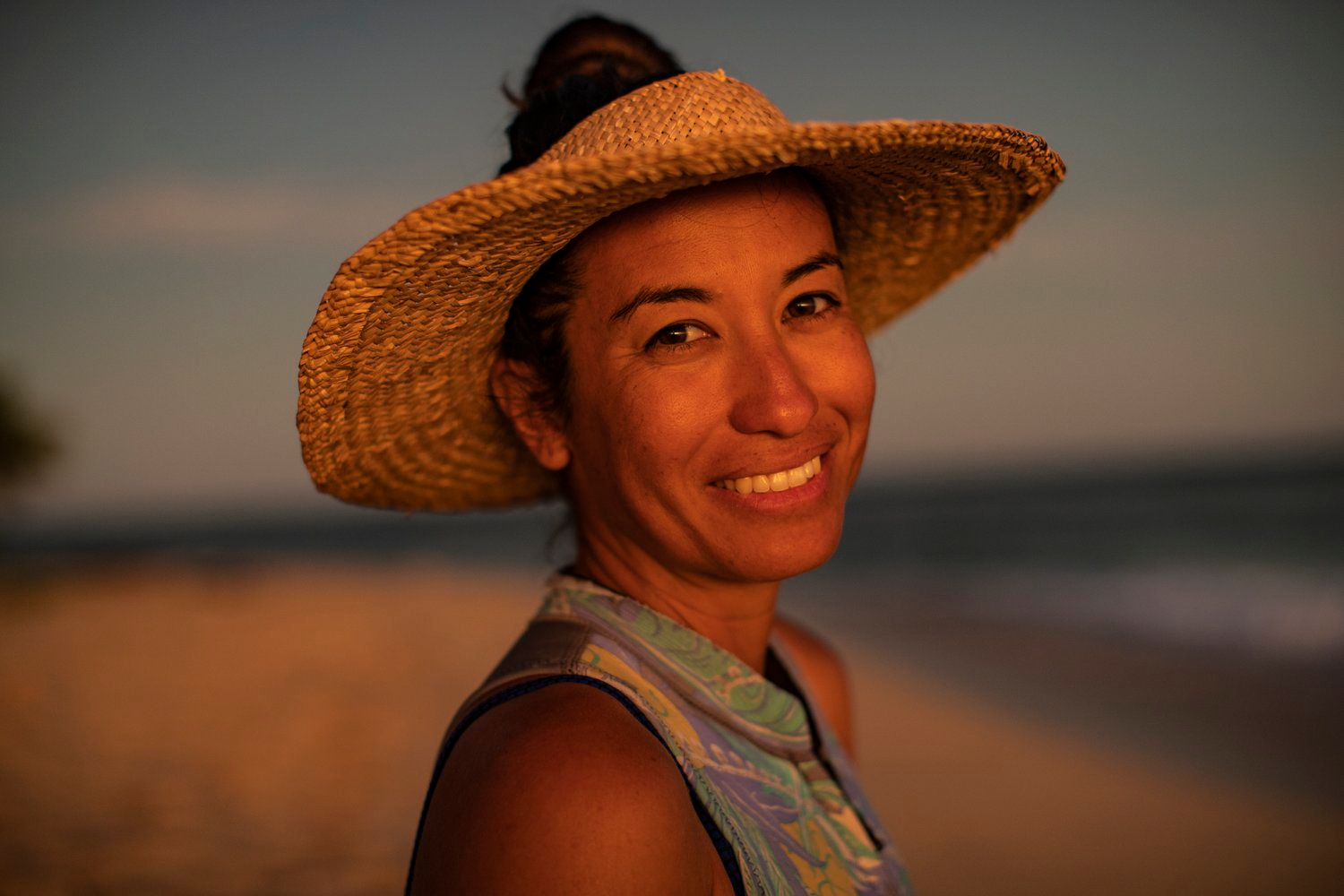
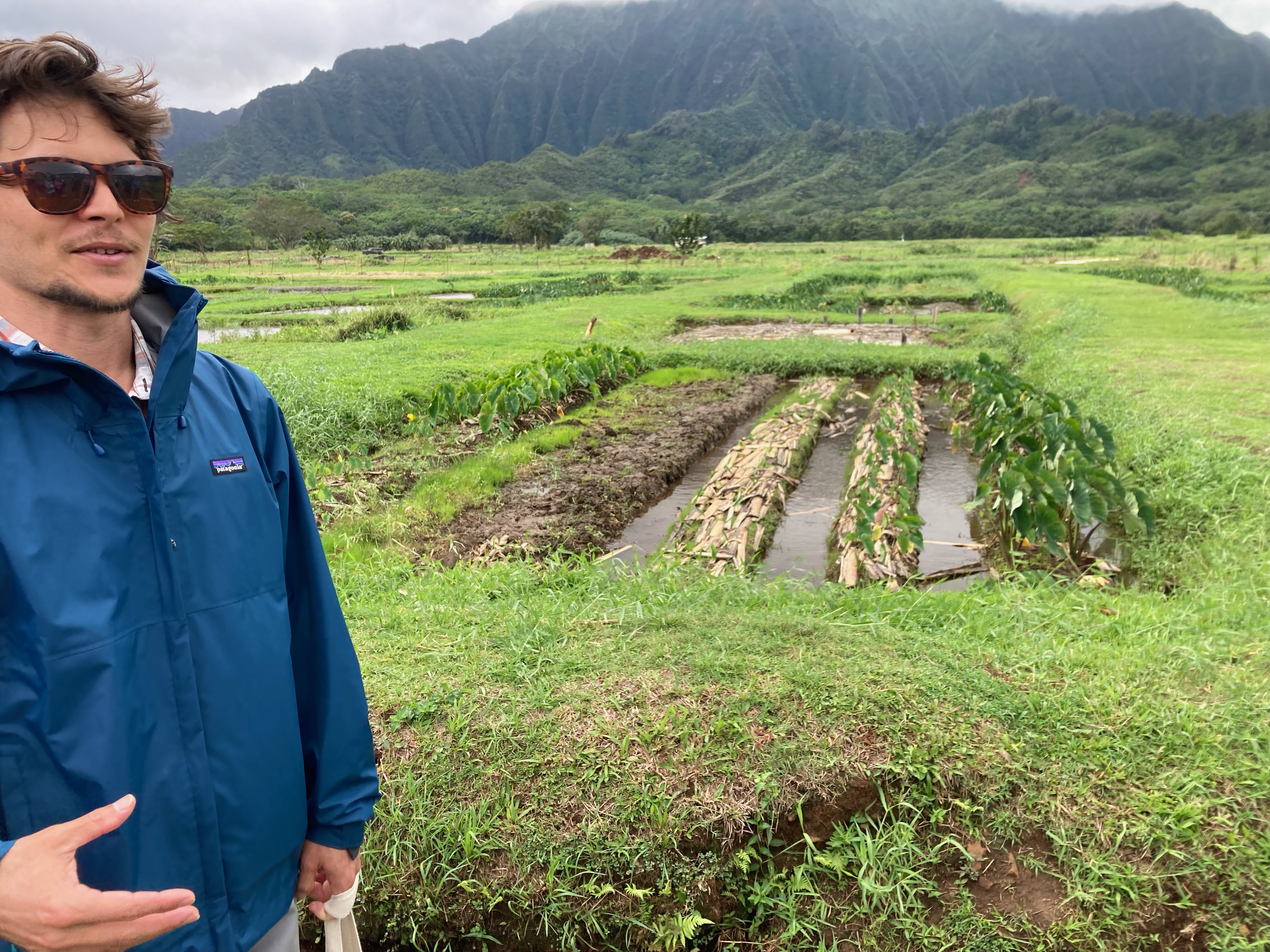
“Climate issues are large global issues, but the solutions are really going to need to be locally based, driven by communities: community needs, and their vision for the future, as well as looking at our native people and the way that they have sustainably managed lands and their coastal resources,”
2017 Toby Lee ARCS Scholar Dr. Haunani Kane combines indigenous knowledge and modern scientific techniques in her work as Univrsity of Hawai‘i at Manoa assistant professor of earth sciences. Read more
To Quote a Scholar: Benjamin Wiseman
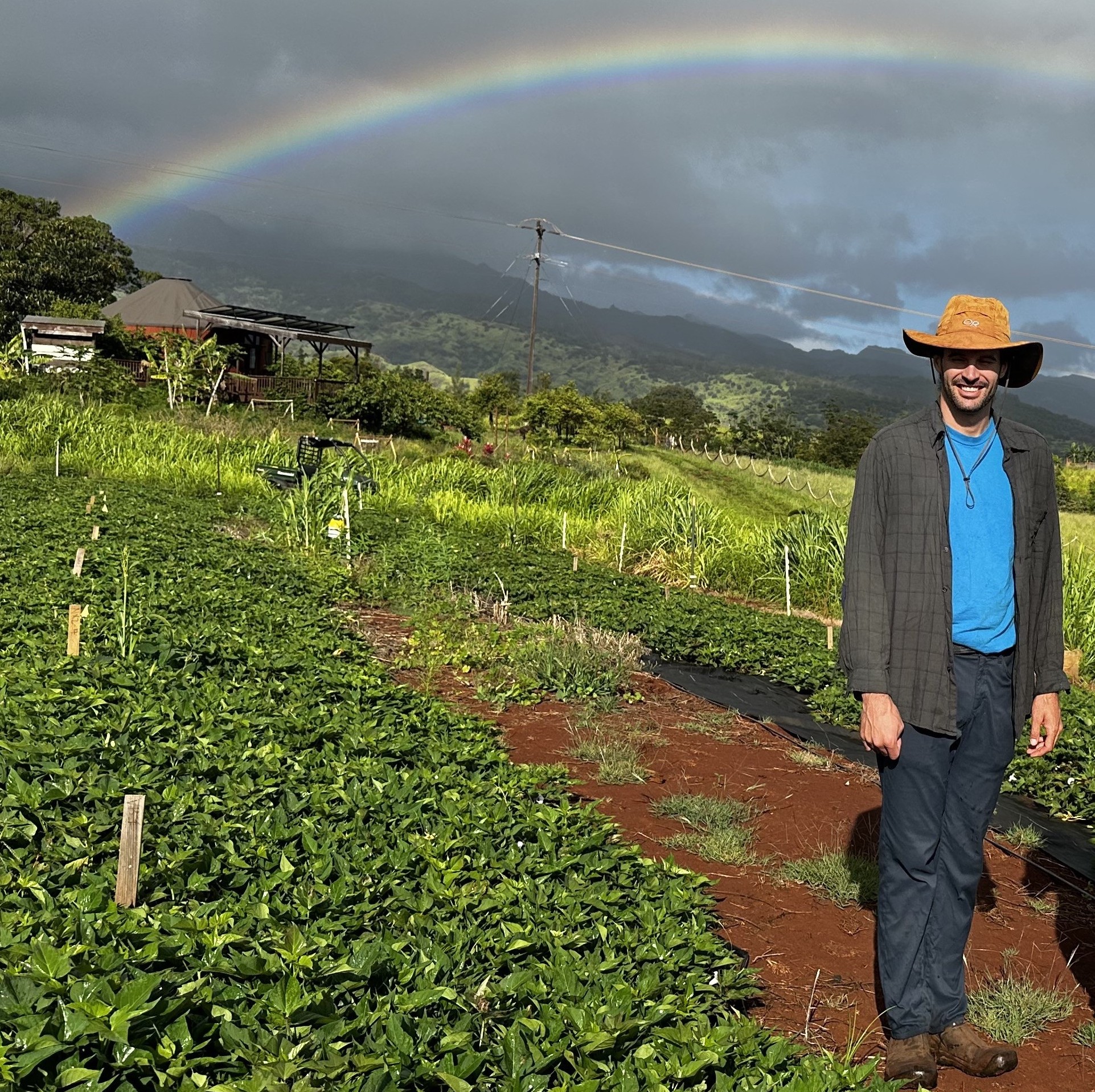
"I hustle to make sure that my expenses are covered, often working part-time jobs to make ends meet. Receiving this award means that I can place greater focus on my academic research work."
2024 Helen Jones Farrar ARCS Scholar Ben Wiseman quantifies nematodes to study soil health and explores new cover crops as an effective, sustainable way to control the pest in sweet potato fields.
Science Communicator Christie Wilcox Tells it Like It Is
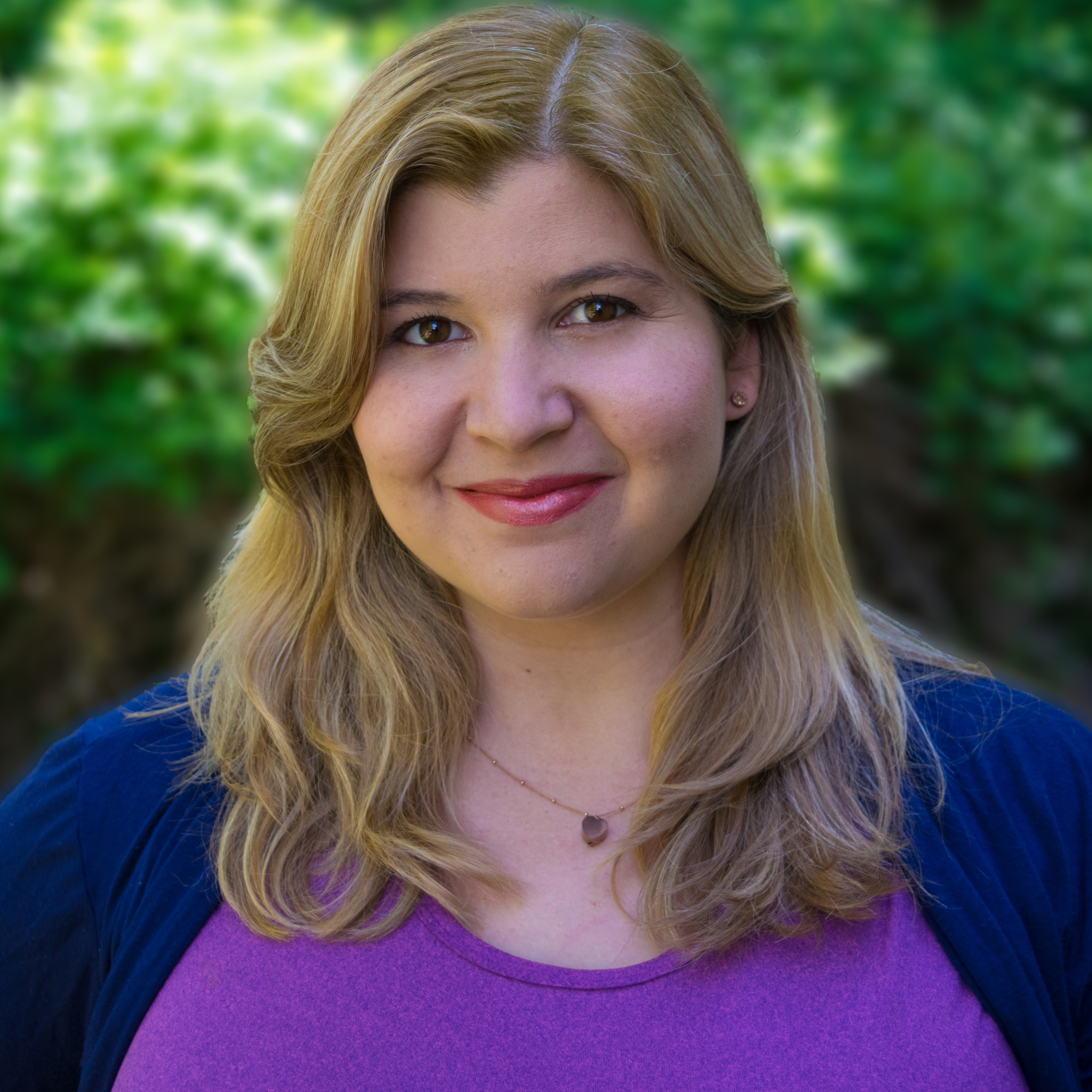
Christie Wilcox, PhD, on her Honolulu ARCS Scholar Award: "The life of a graduate student is not enviable… For me, it was essential. It was what I needed, the kind of funding to pursue these curiosities that I had. And I was grateful for it.” Read more about the the award winning science communicator.