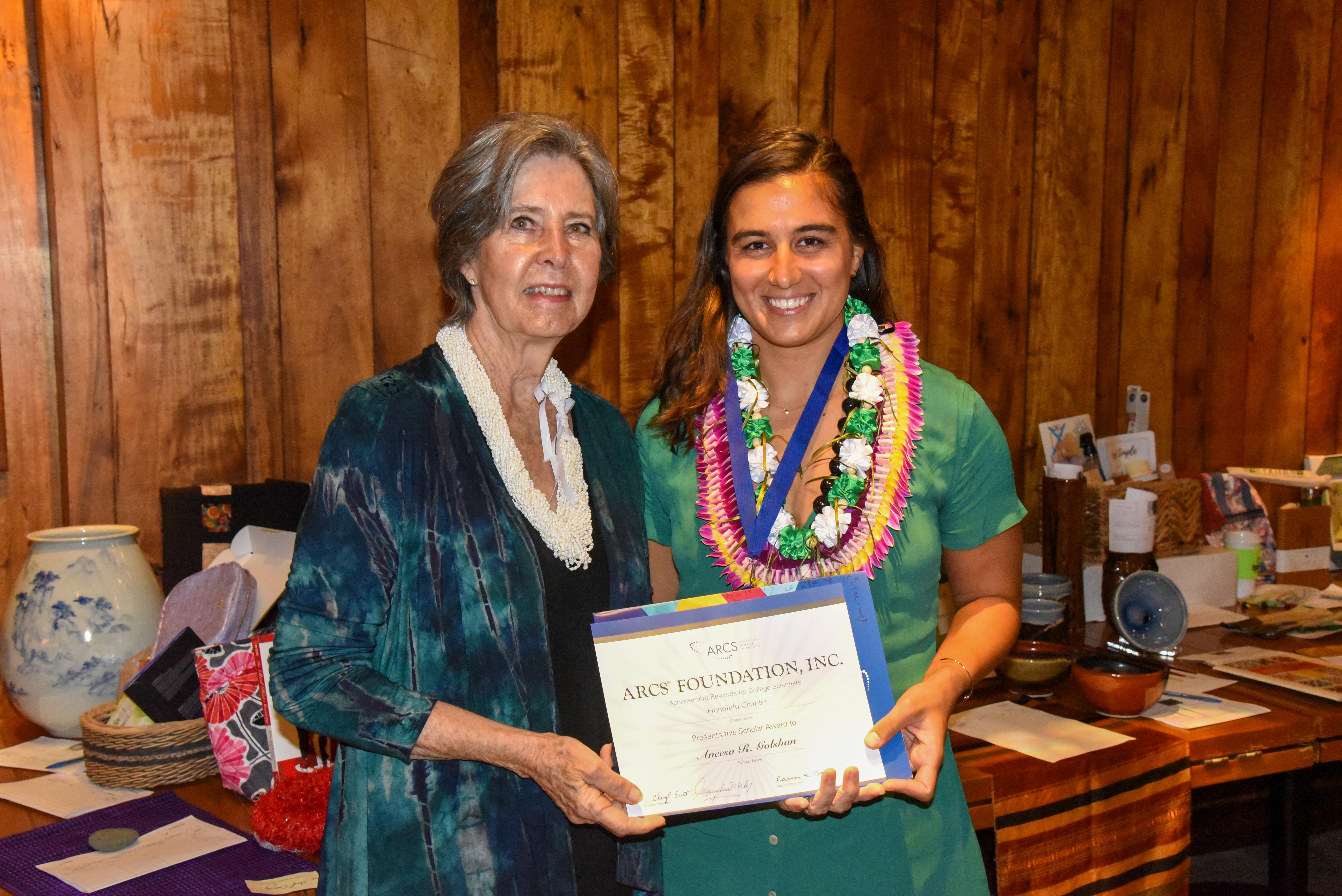
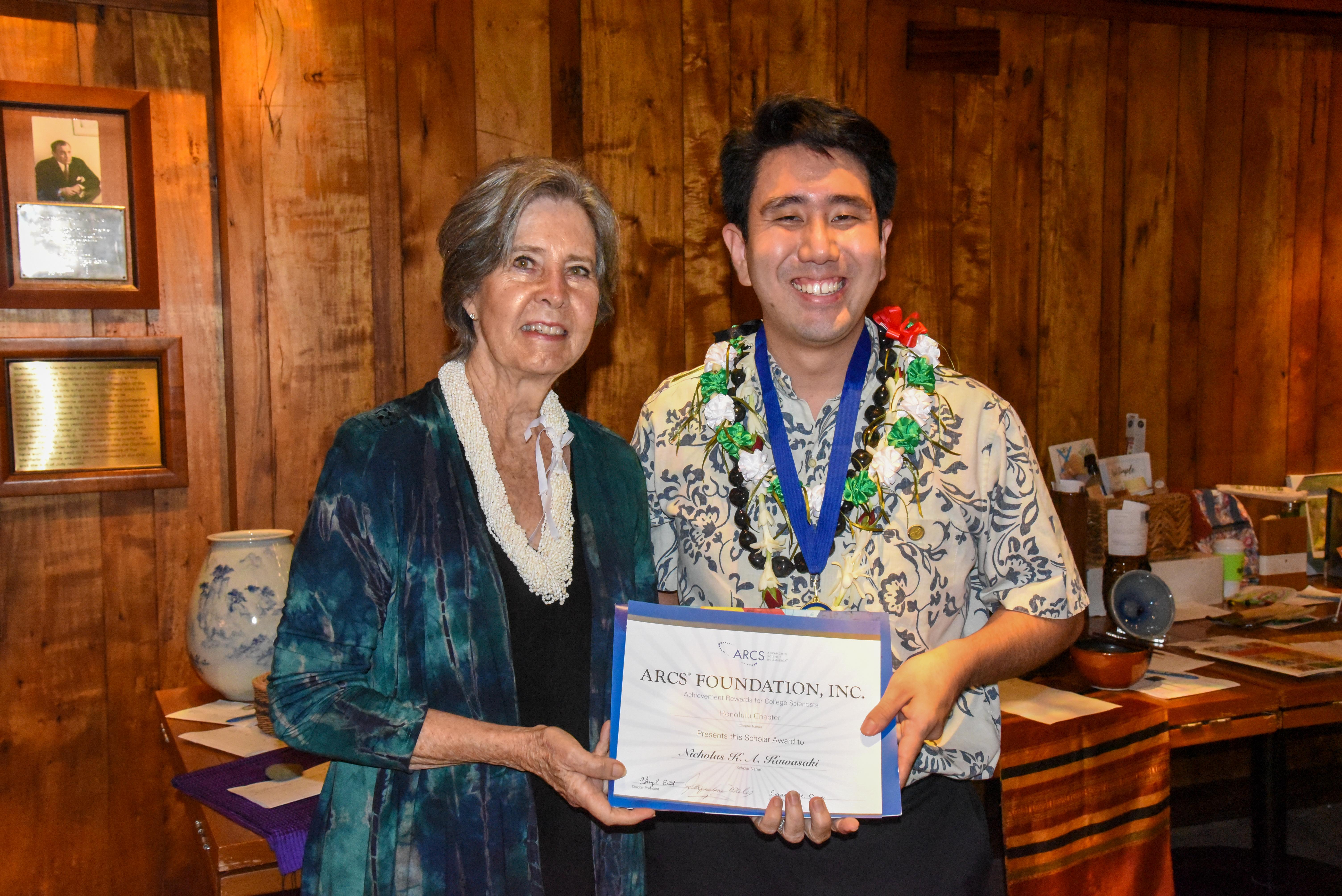
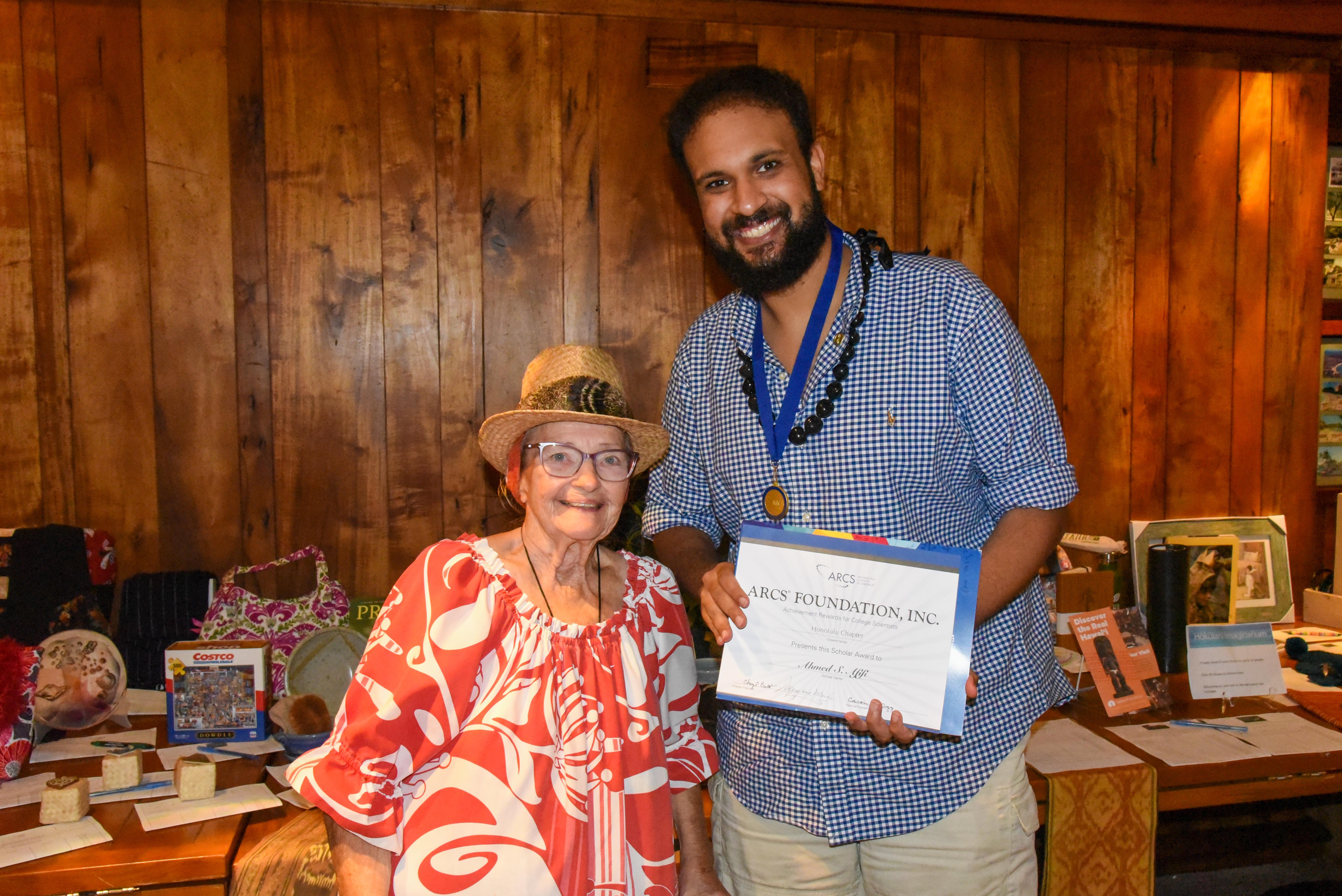
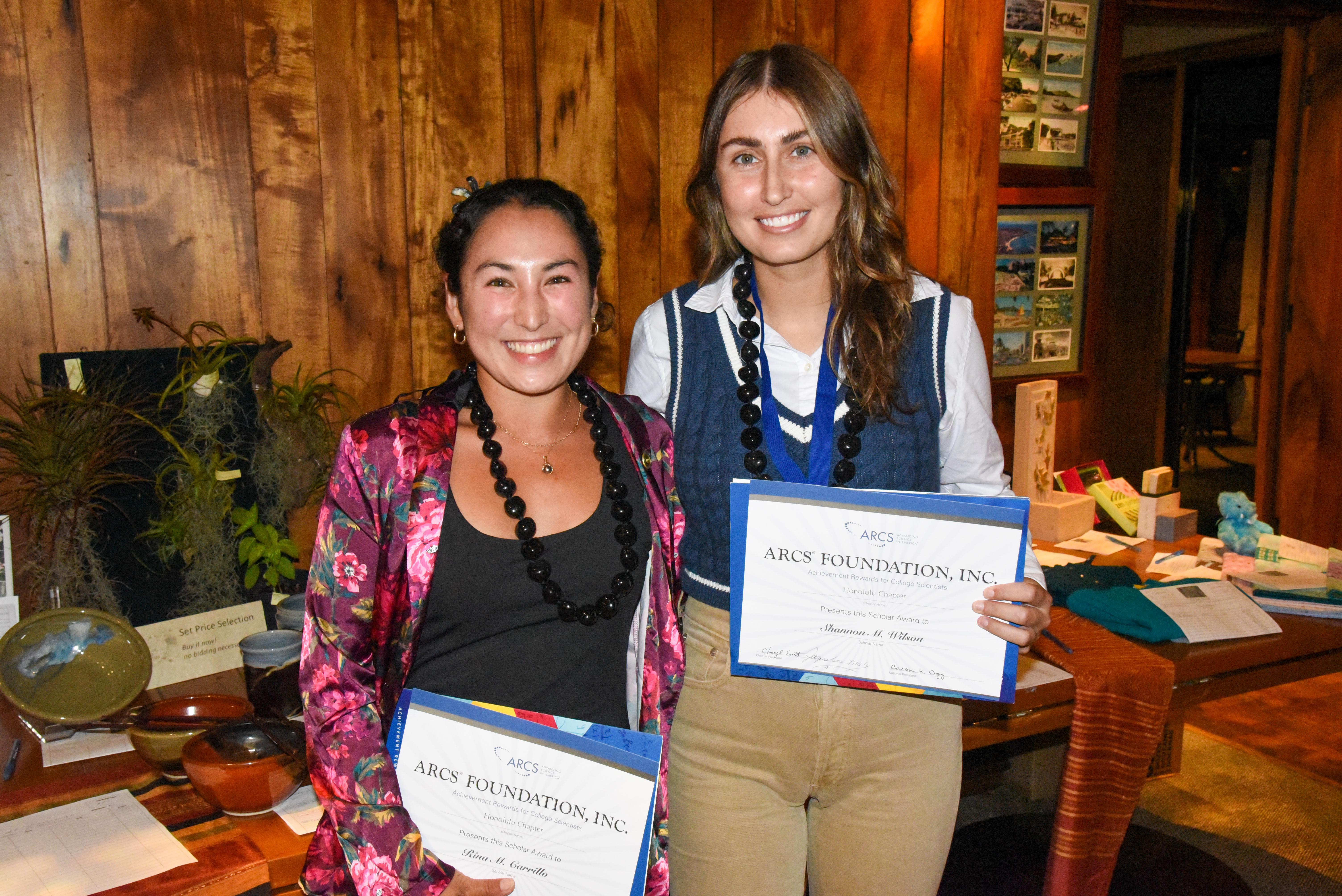
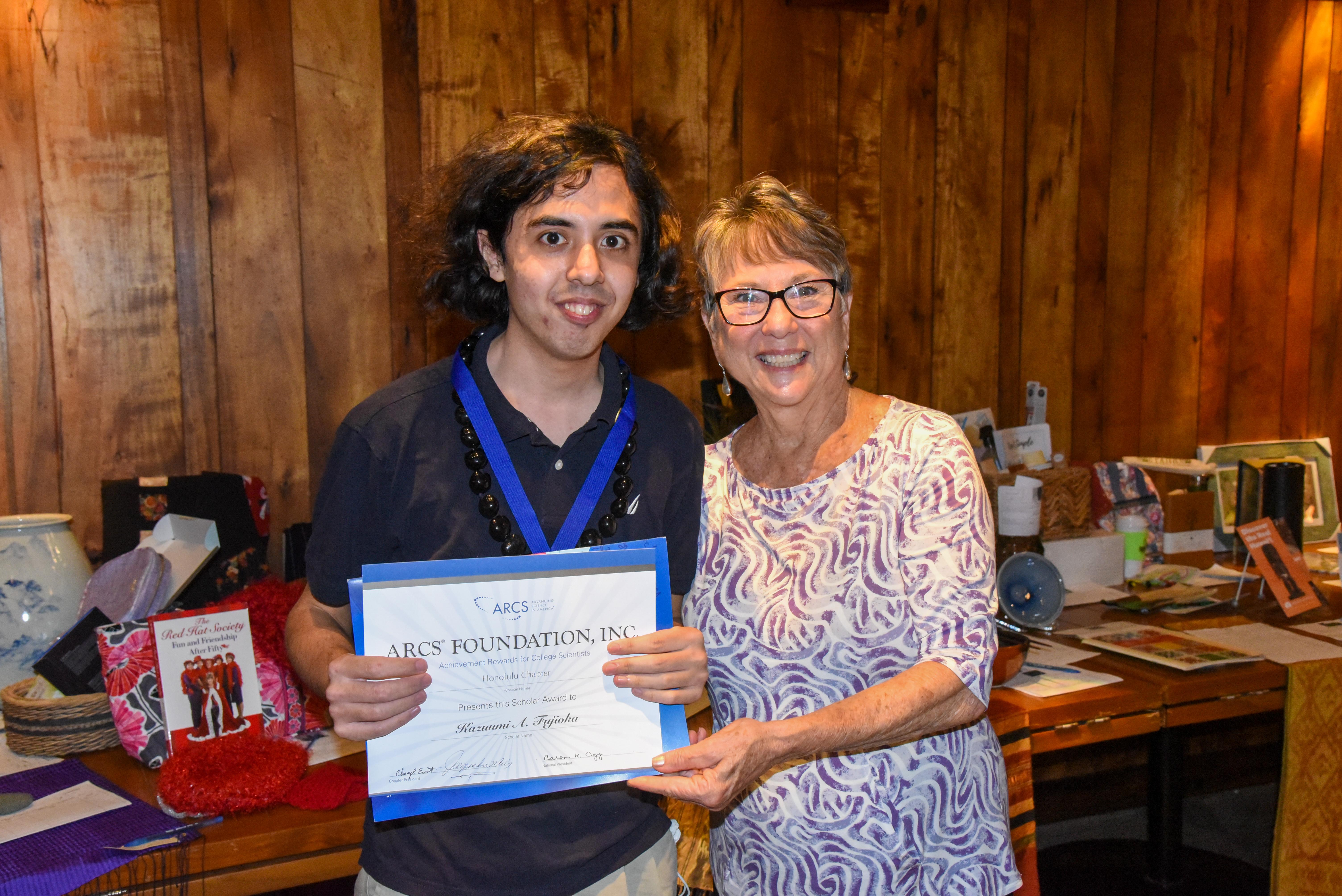
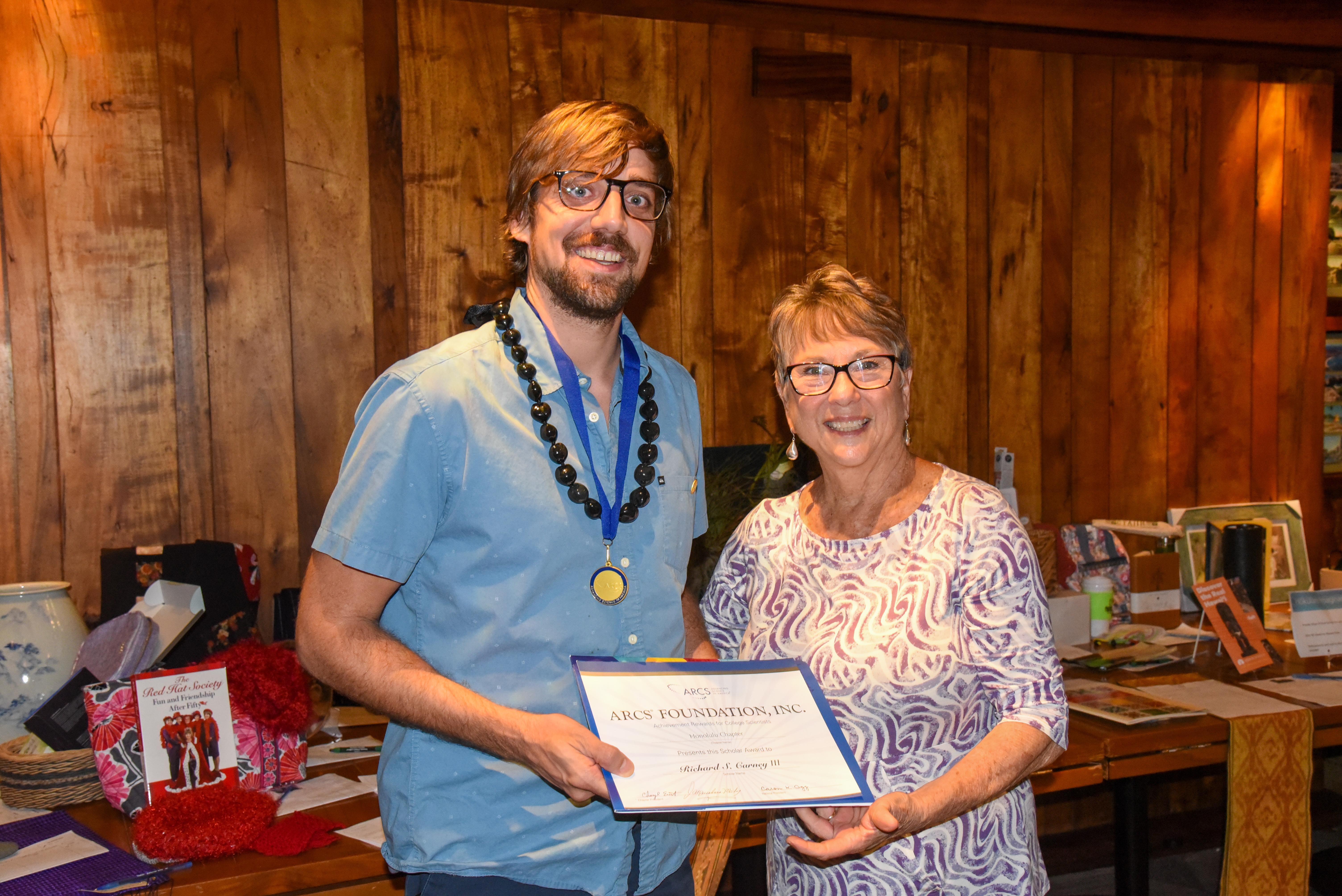
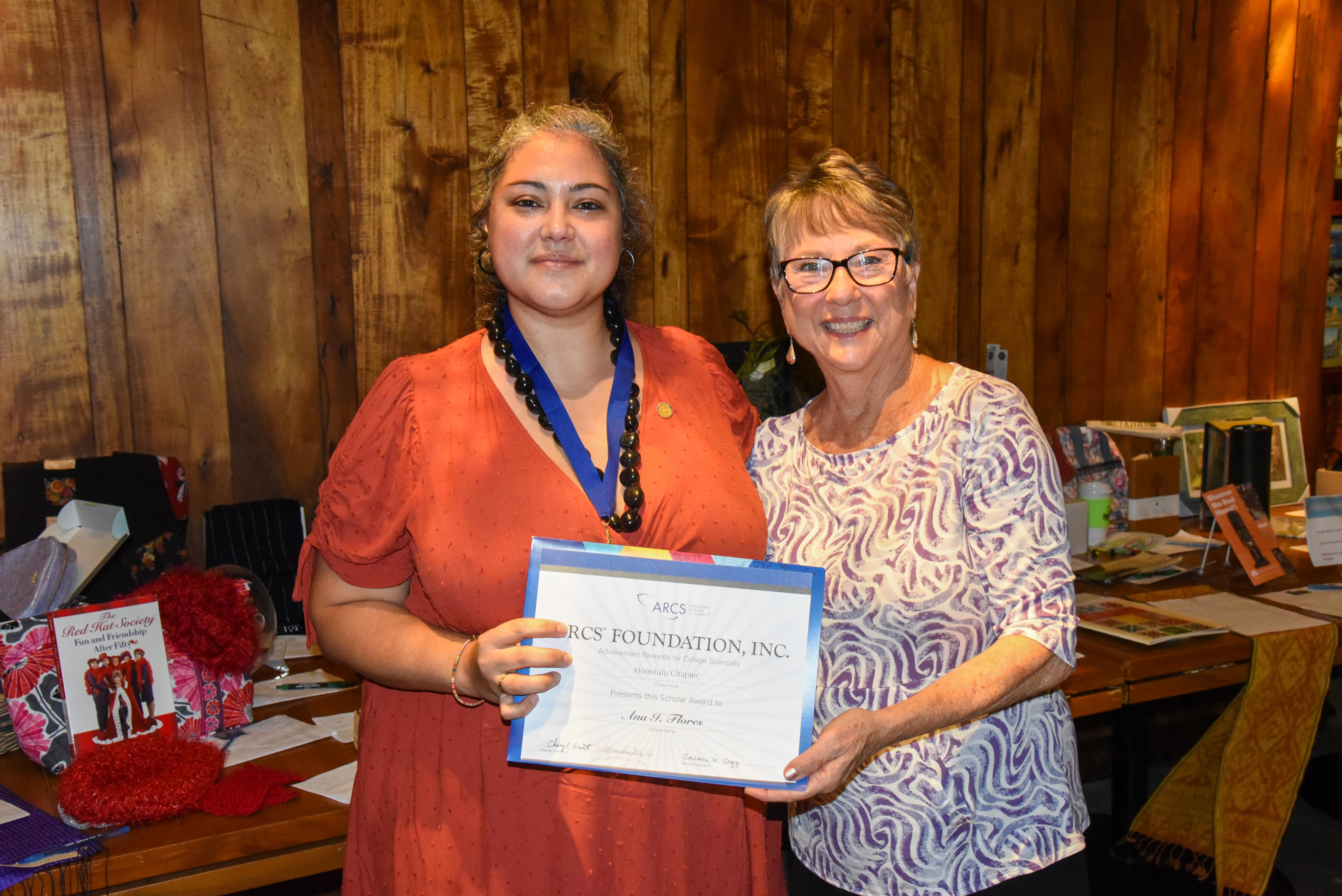
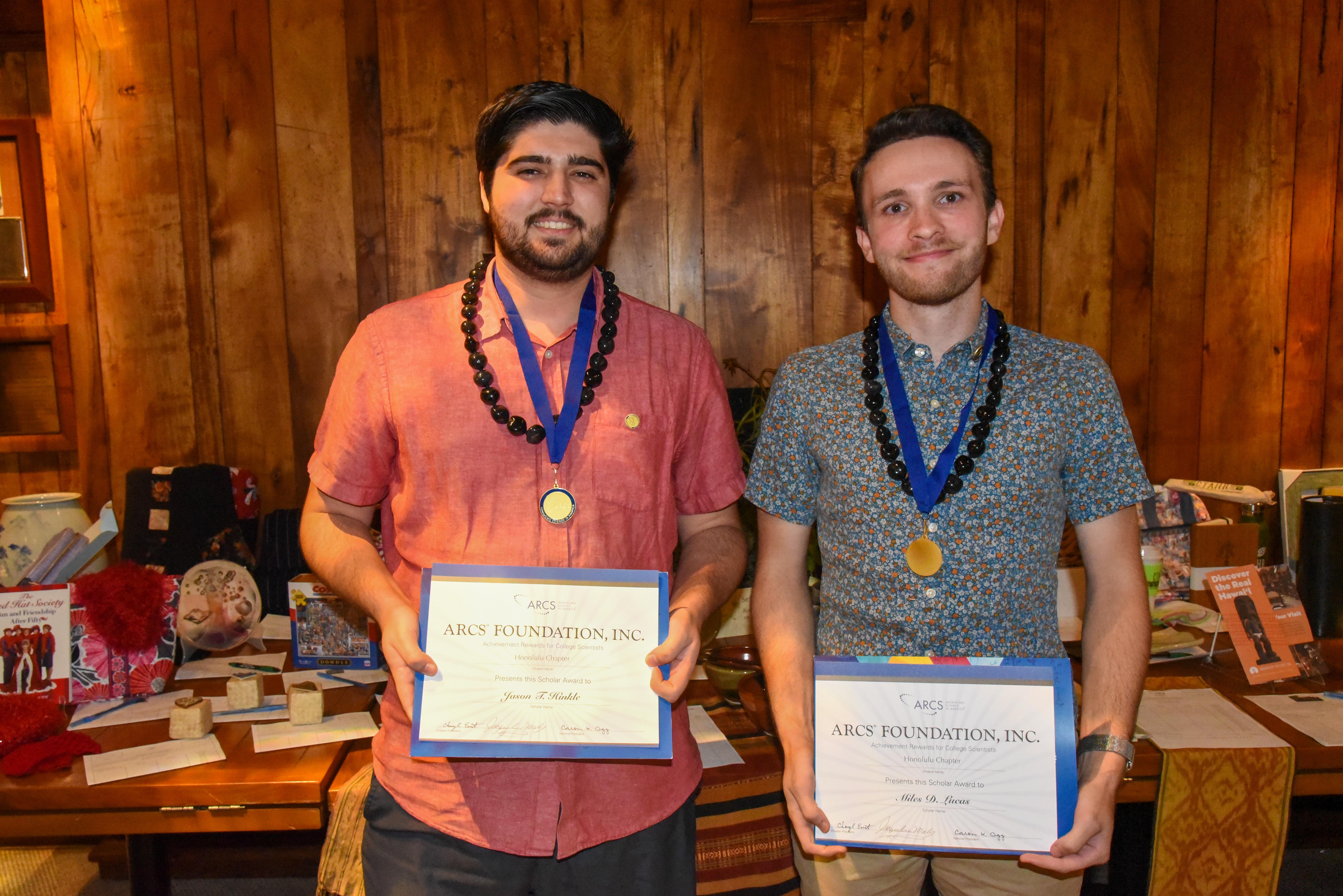
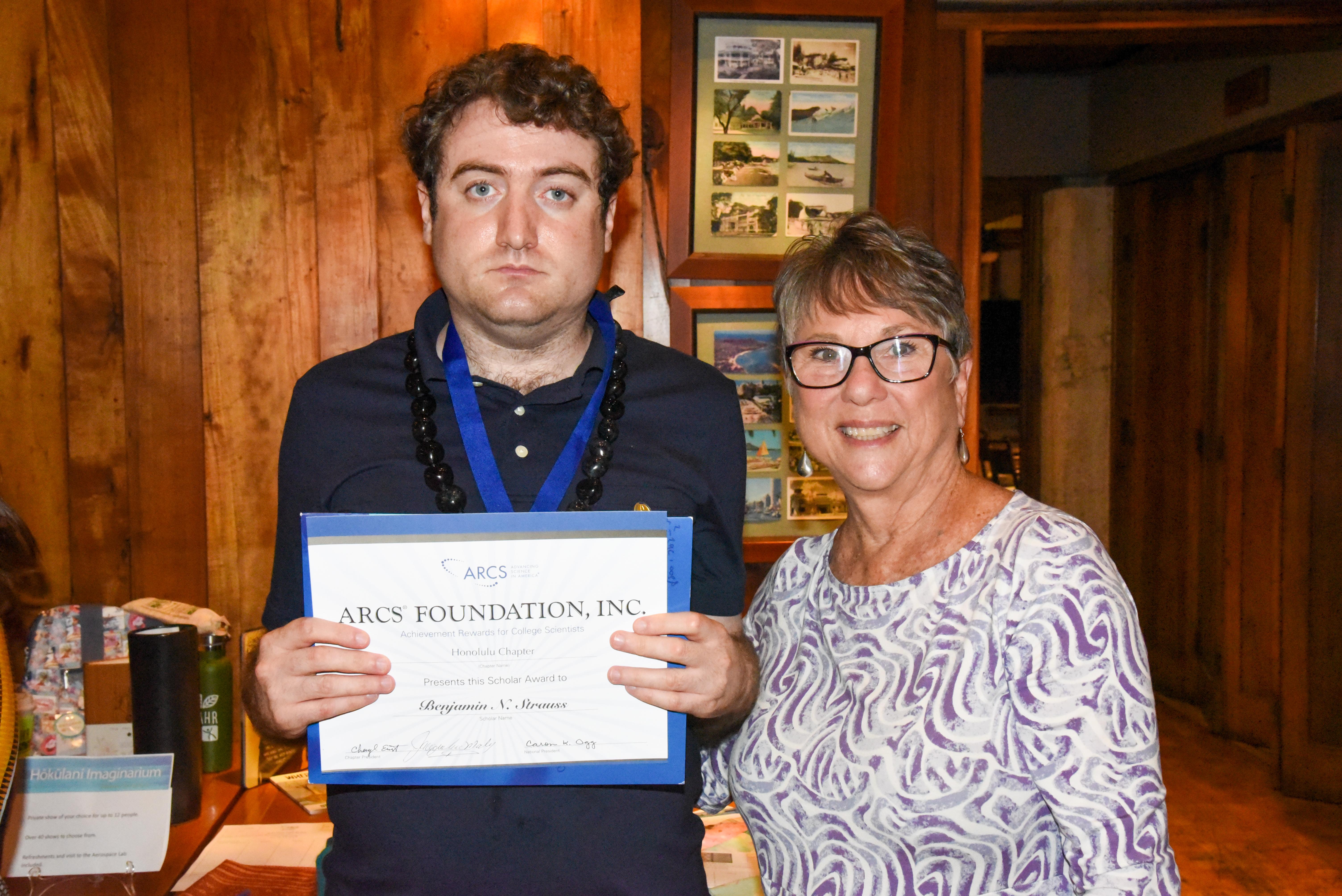
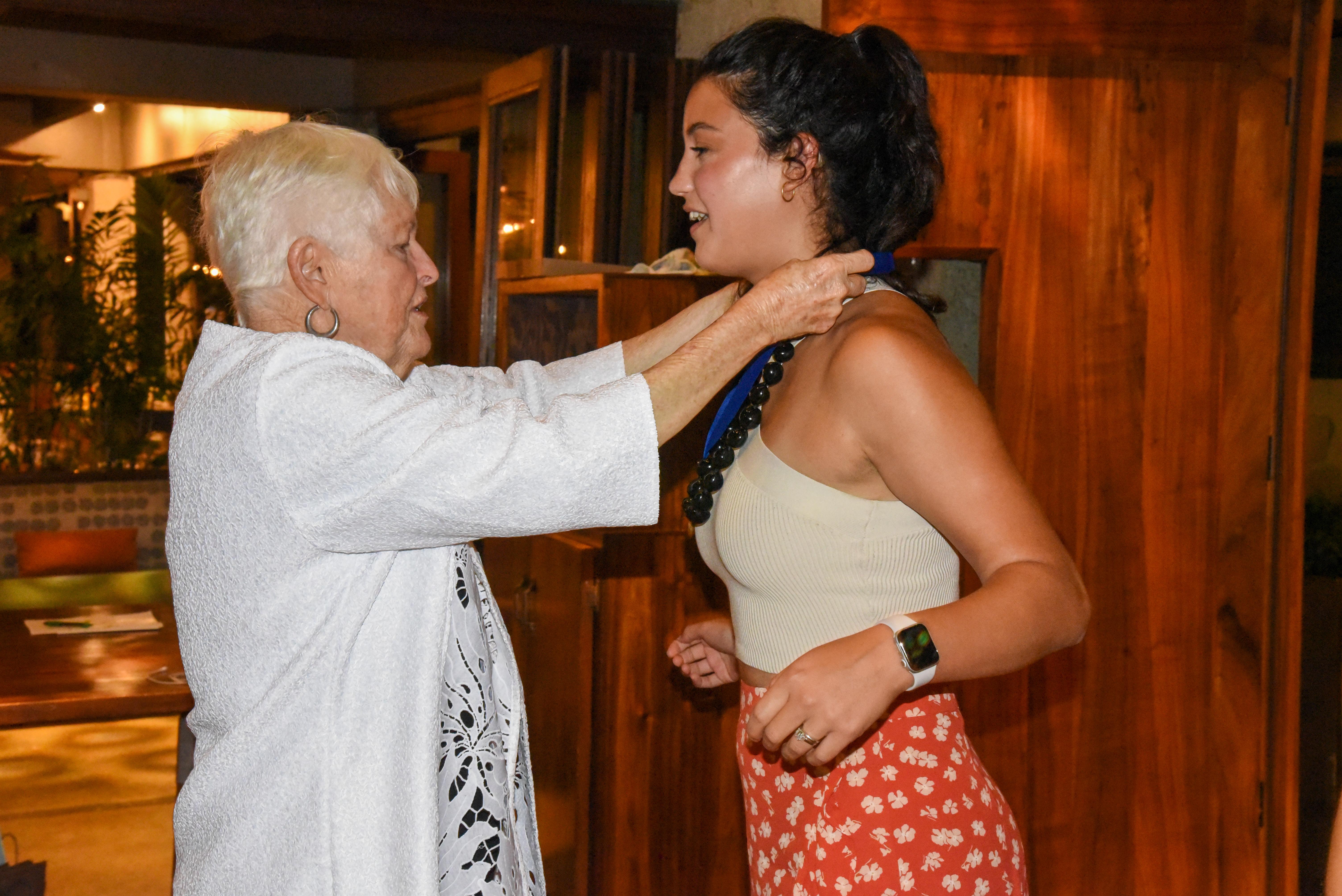
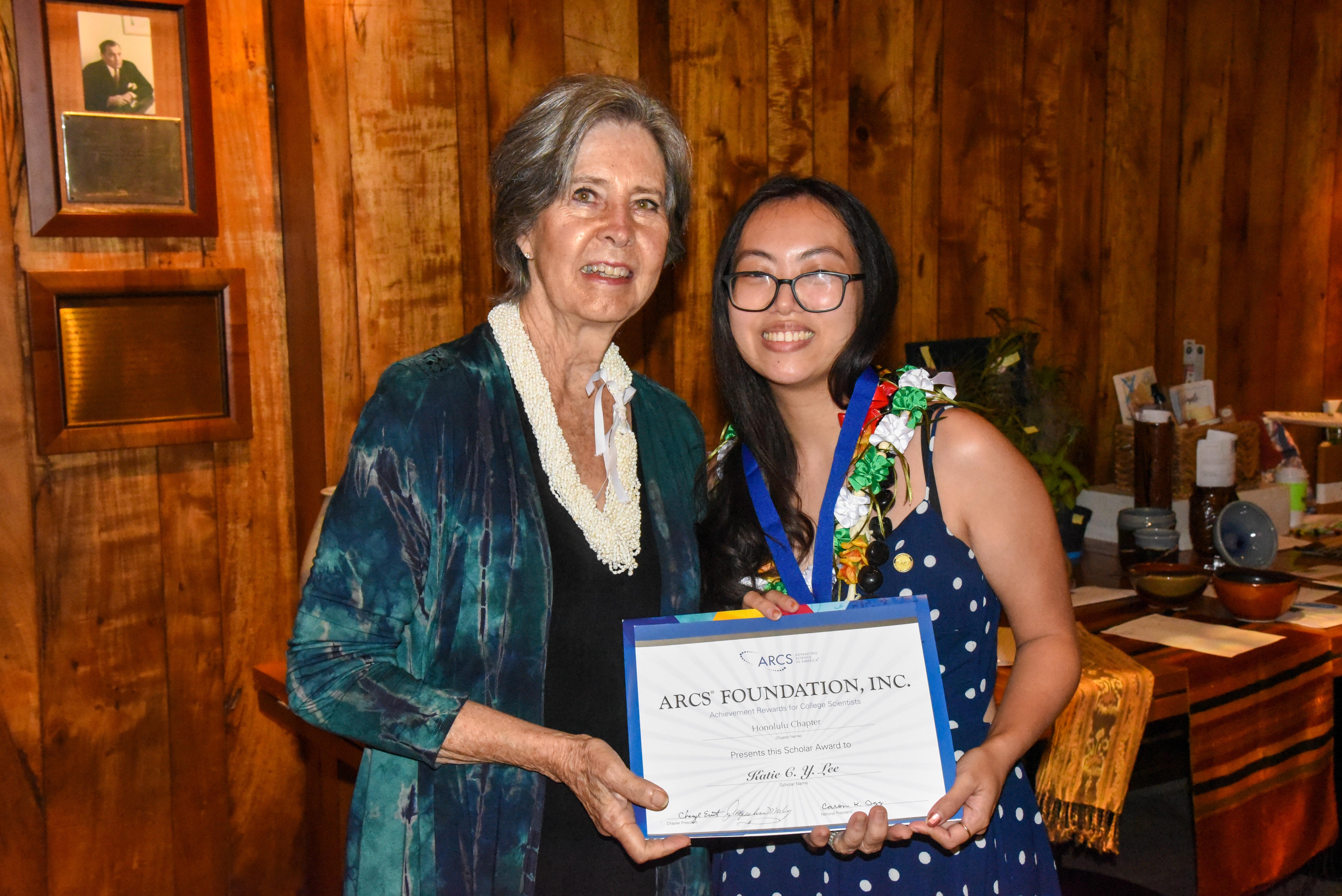
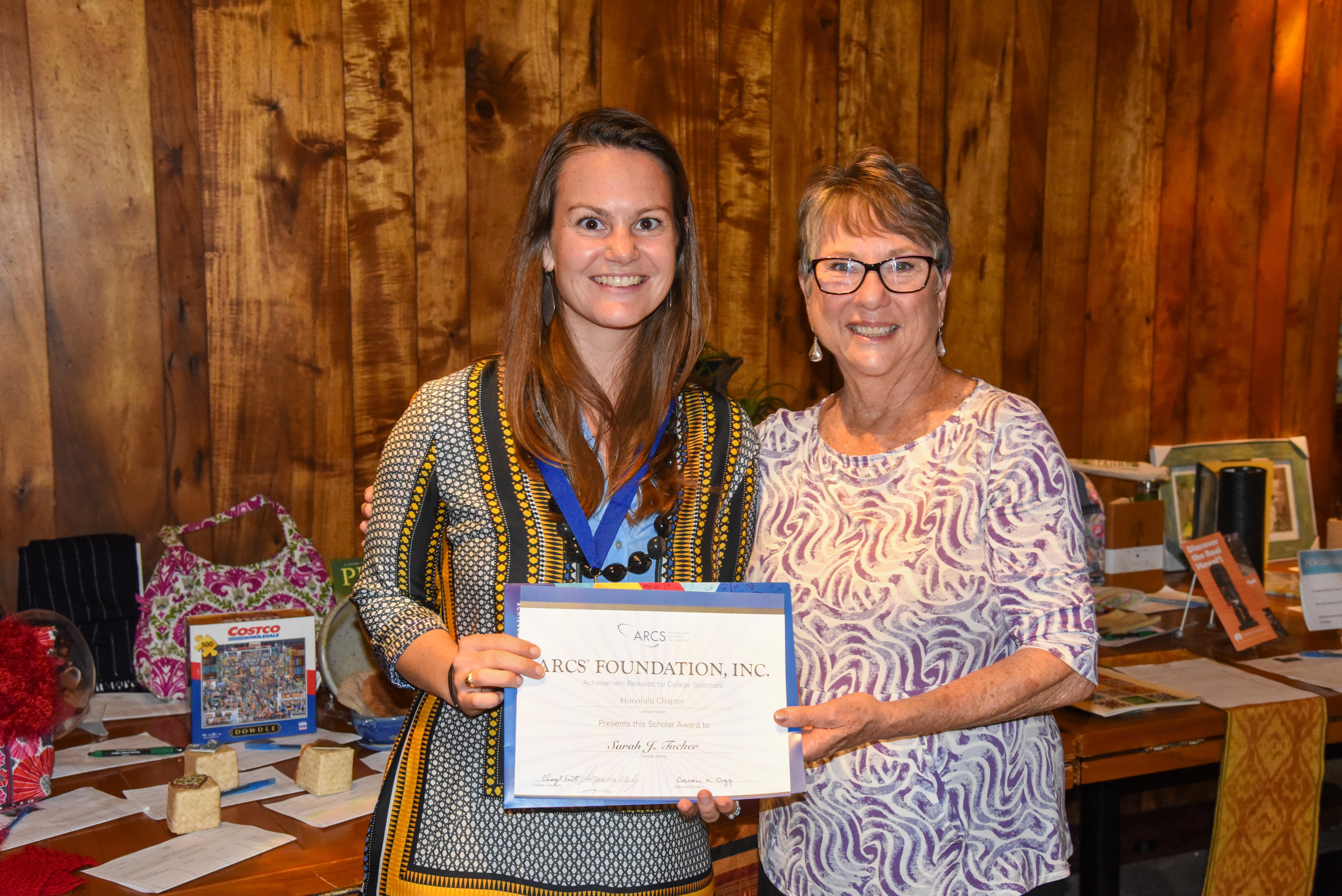
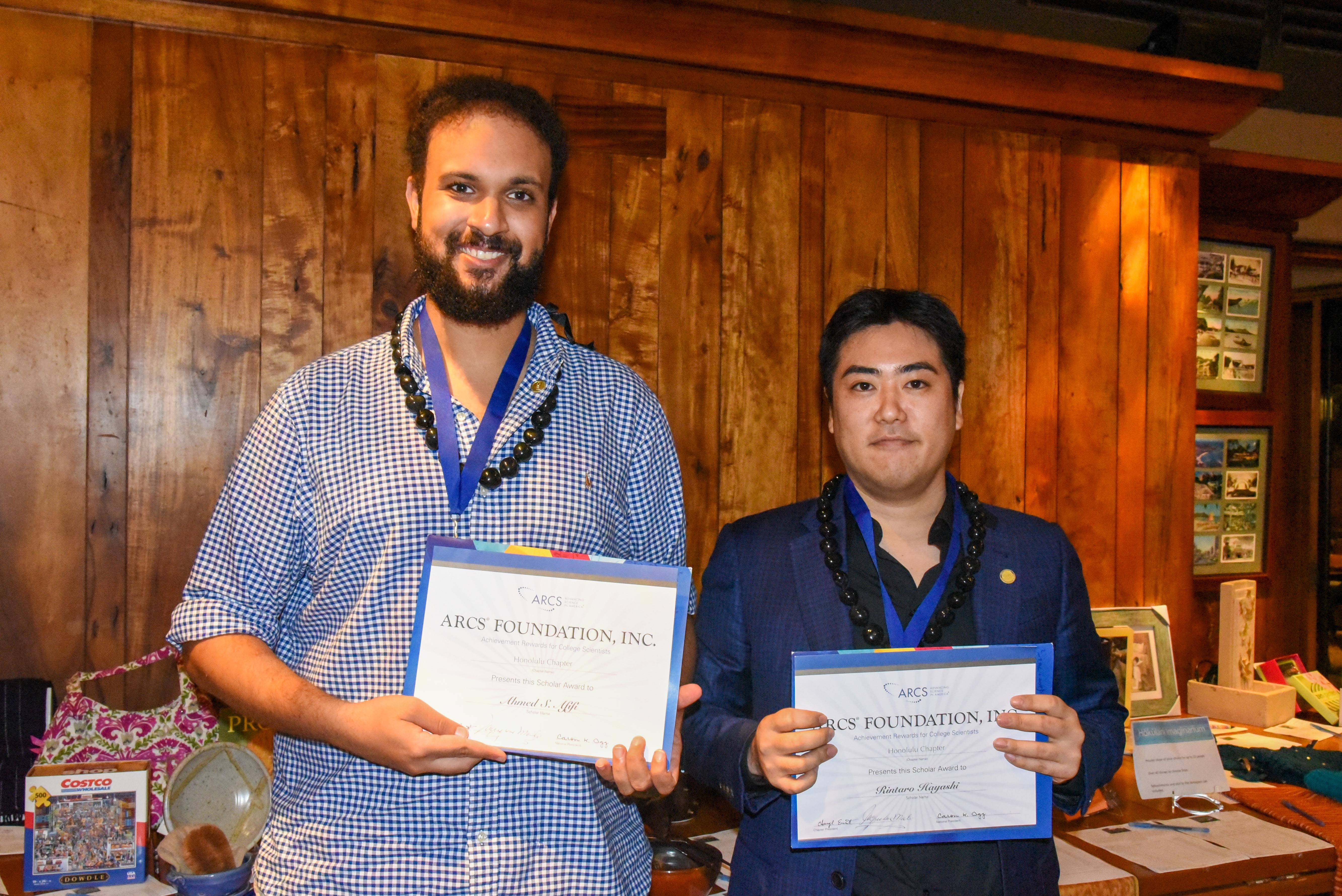
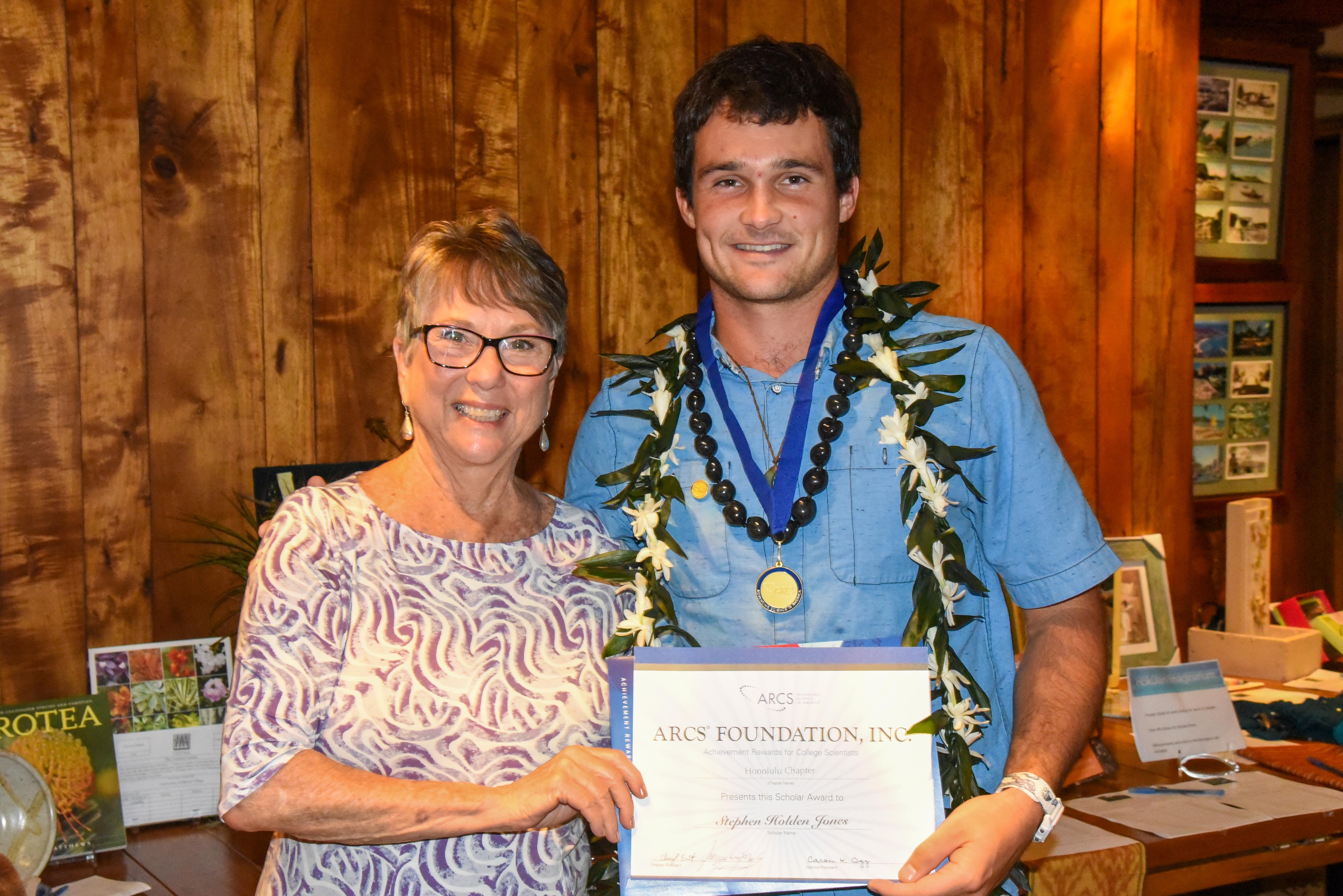
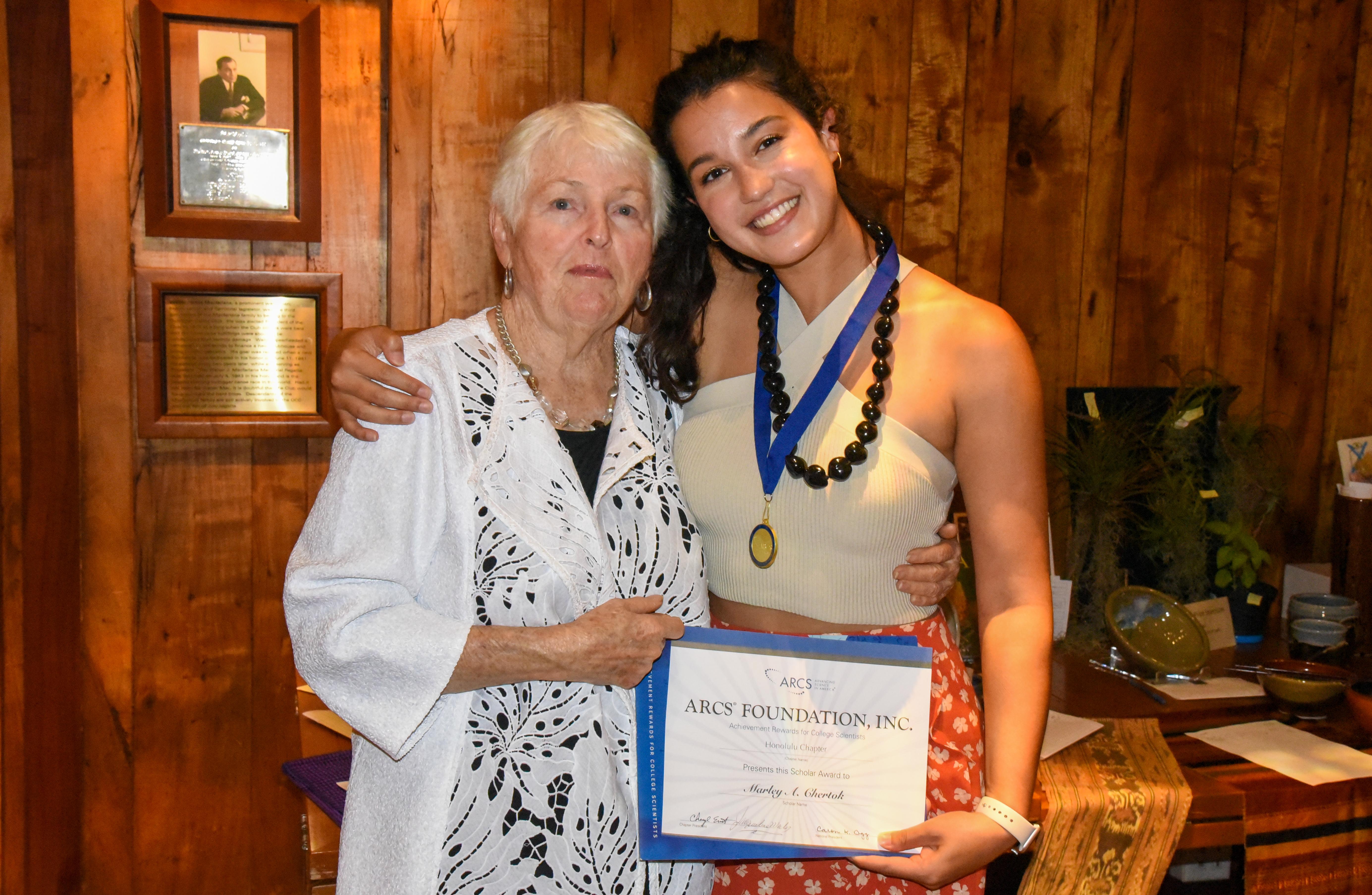
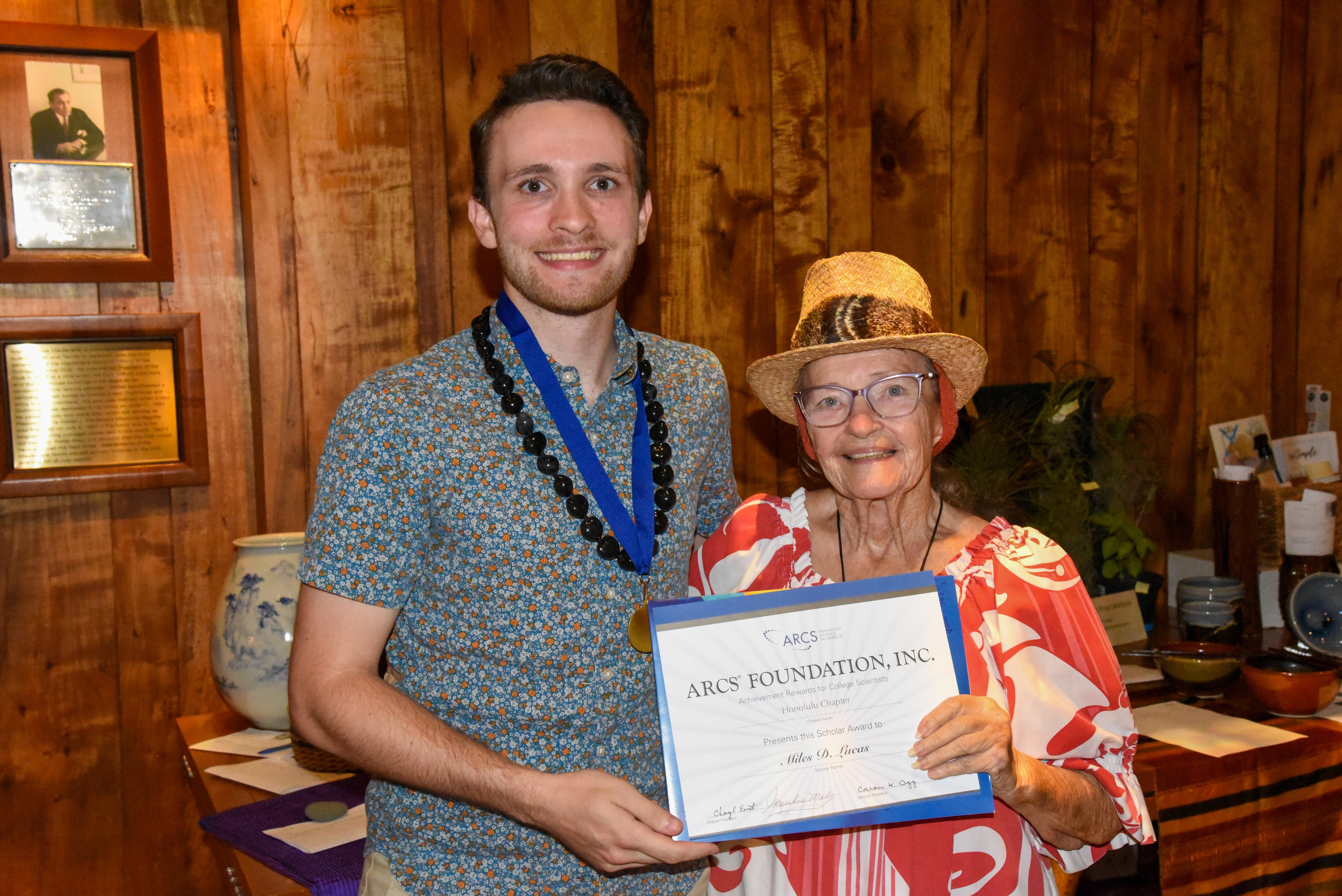
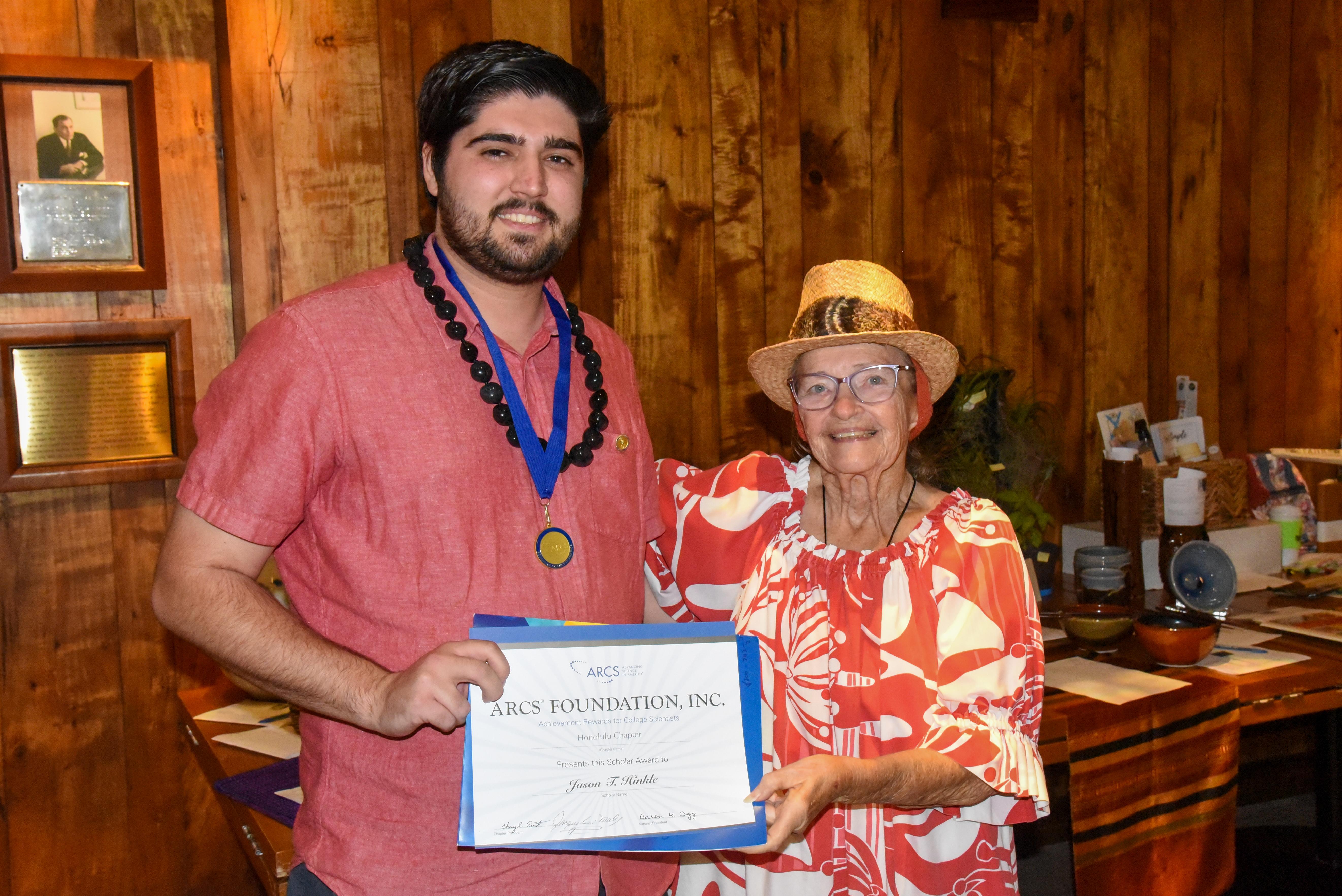
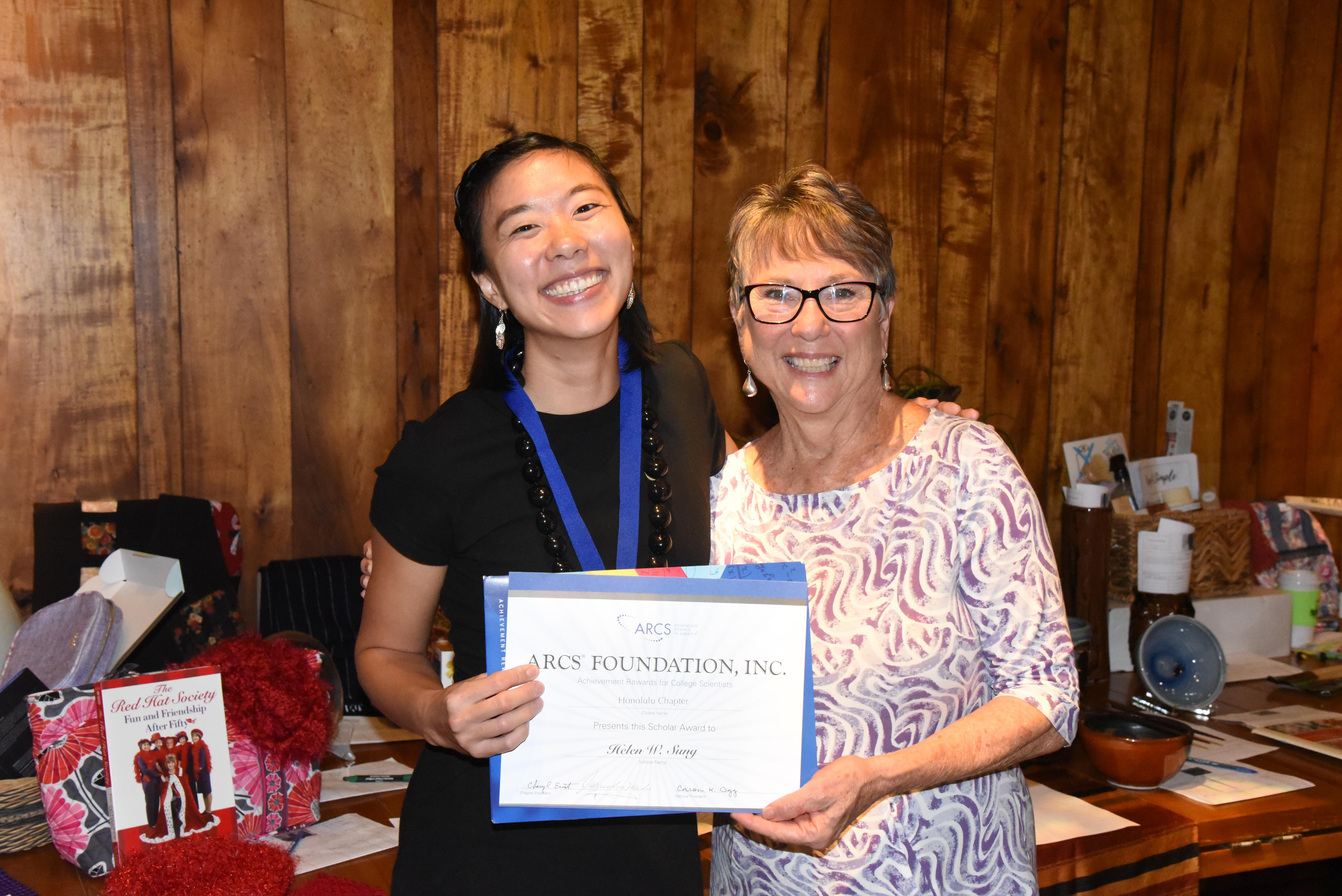
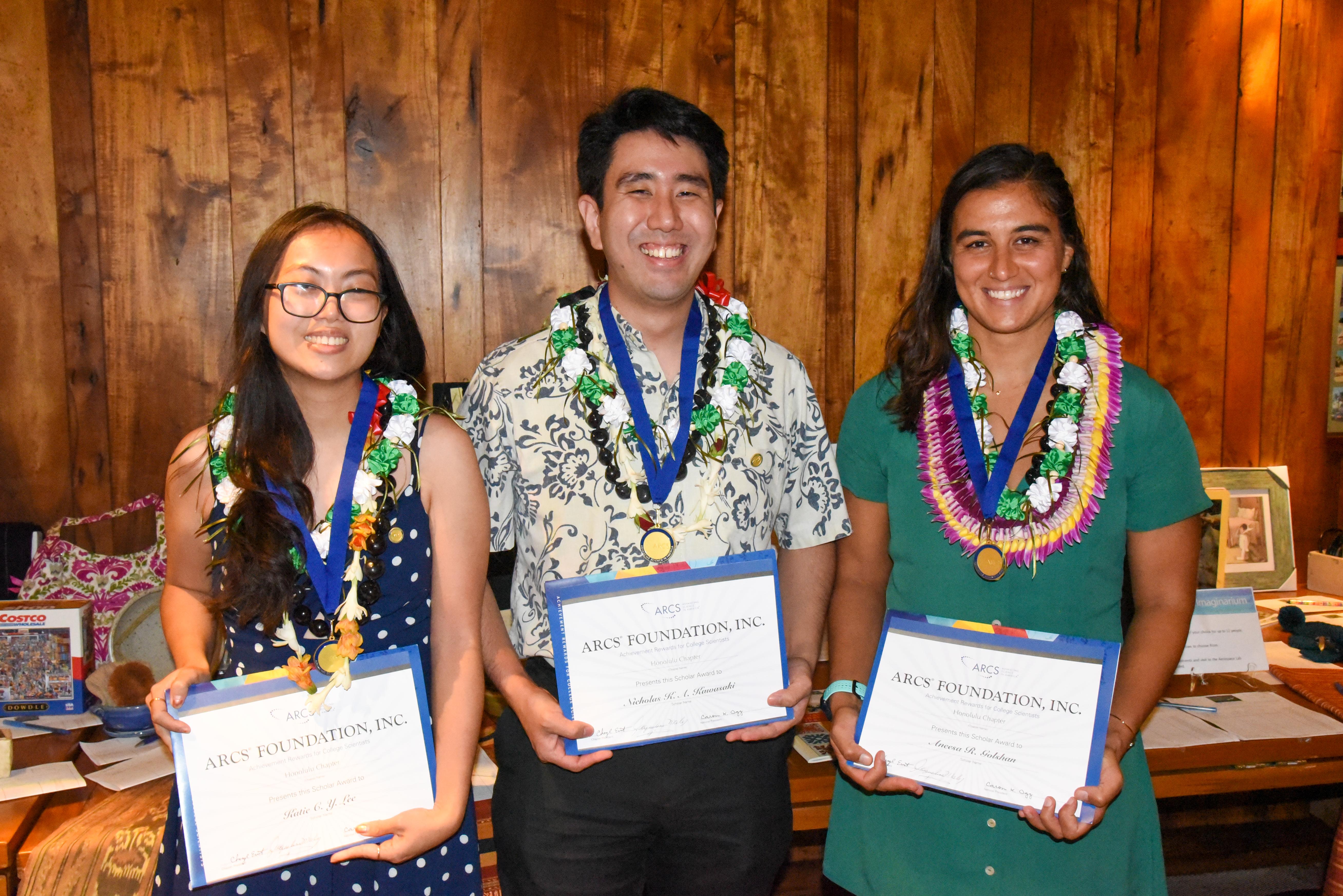
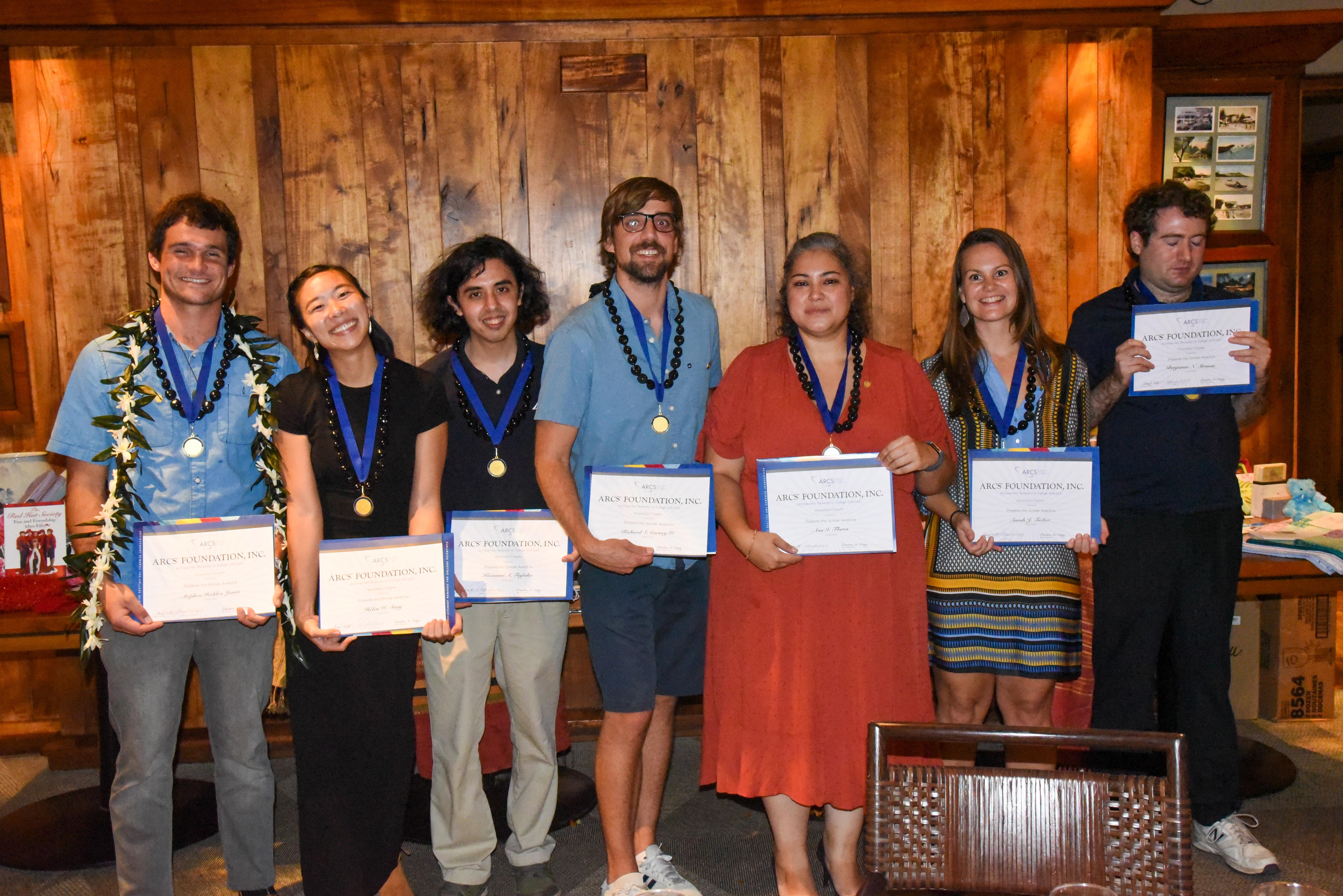
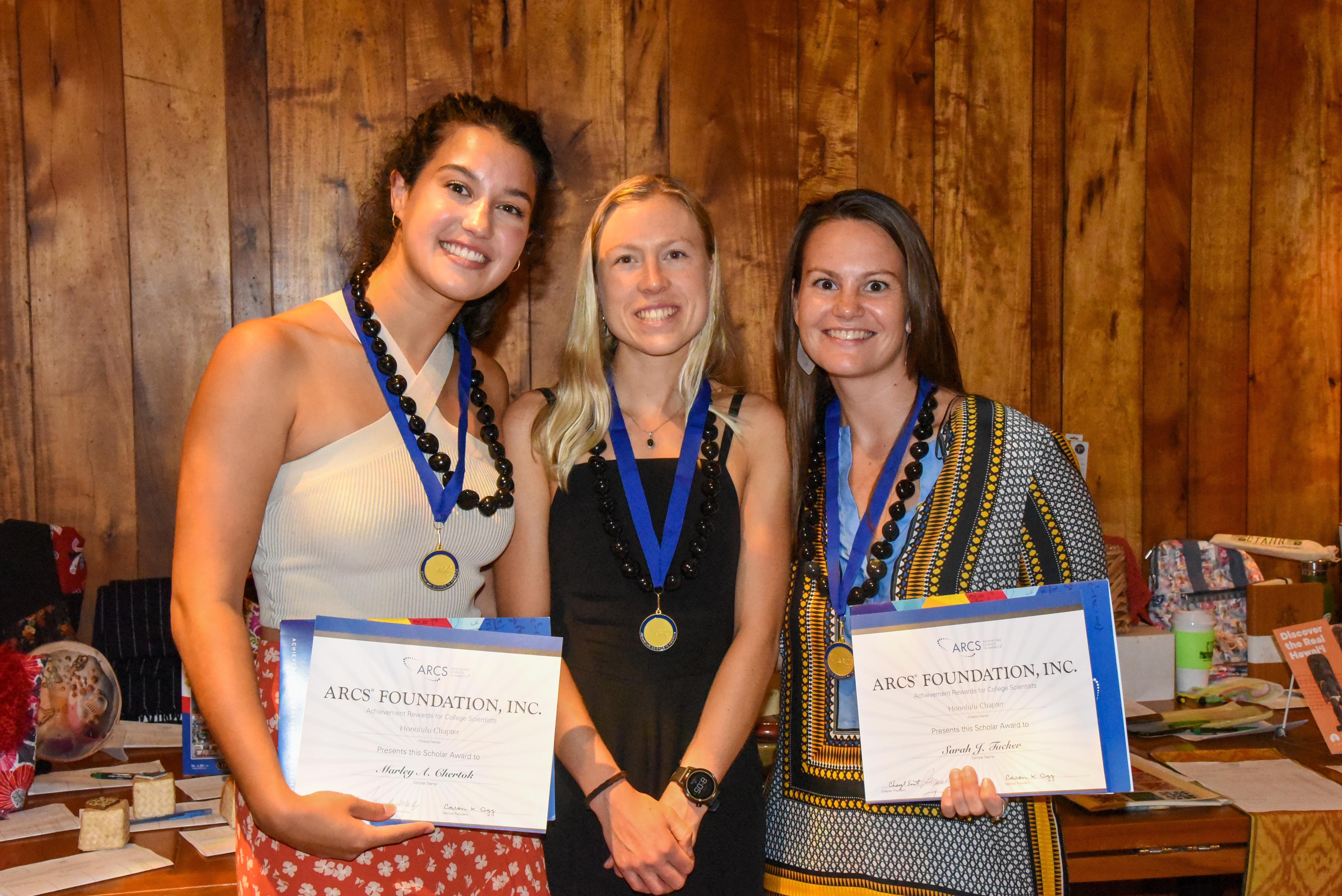
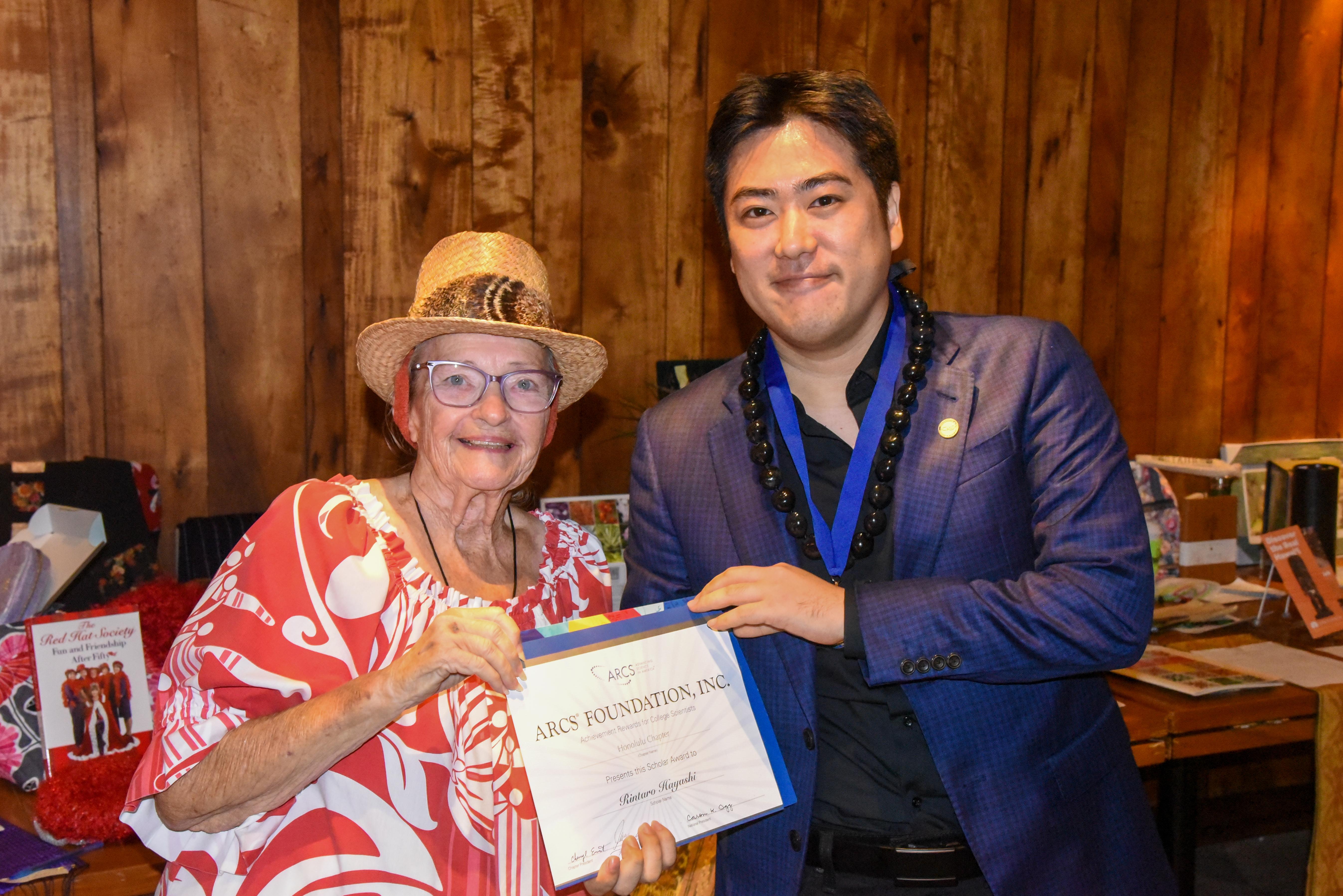
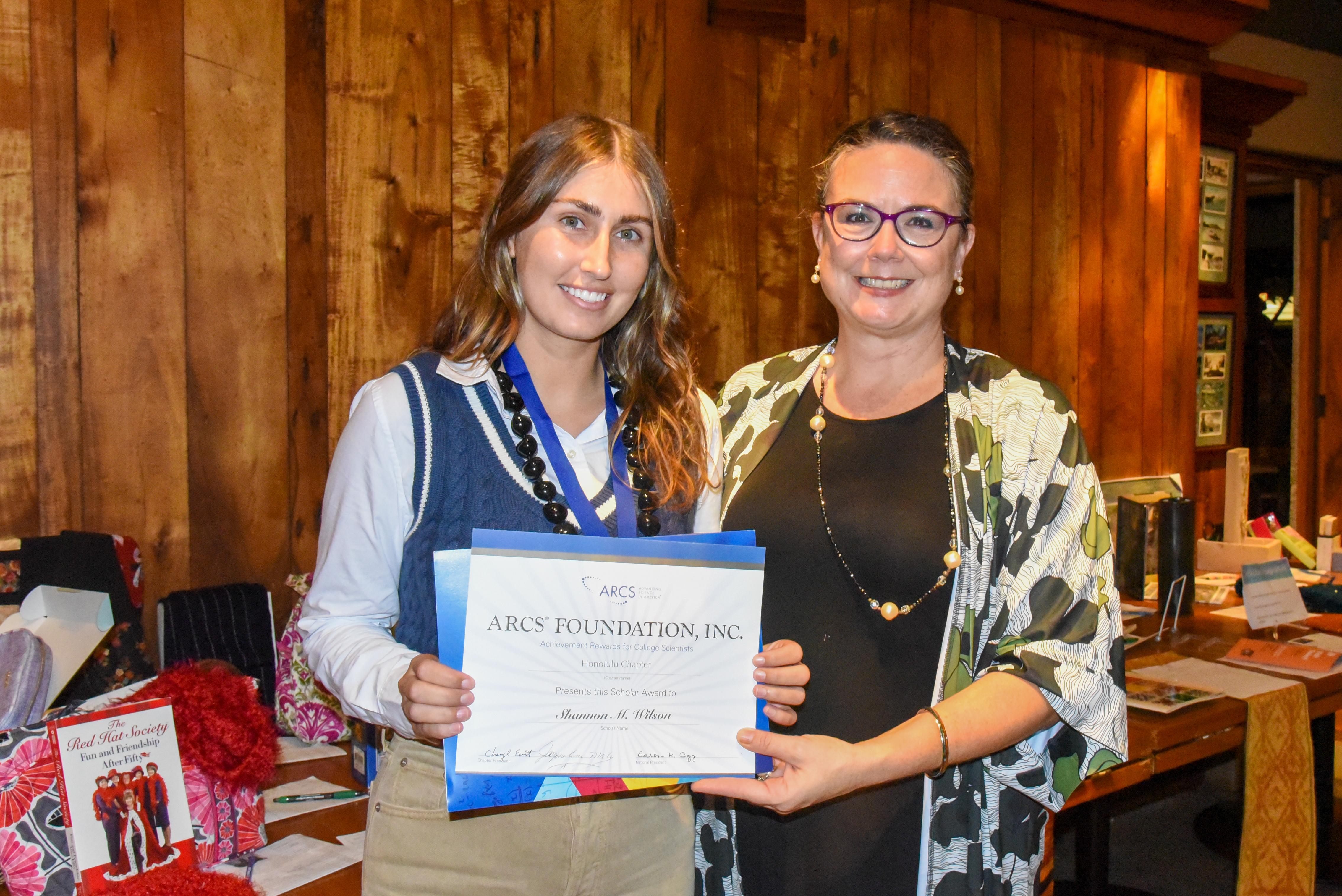
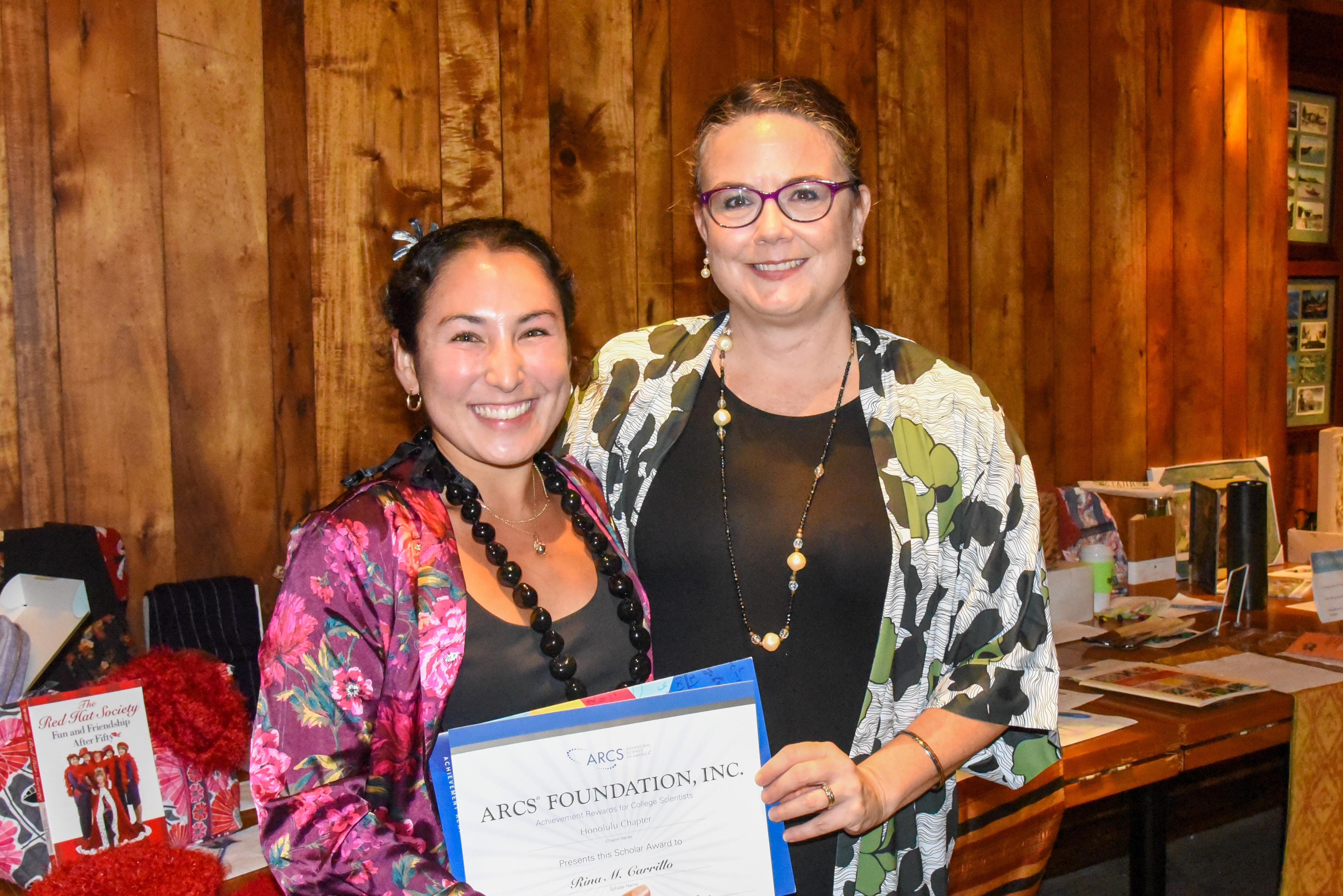
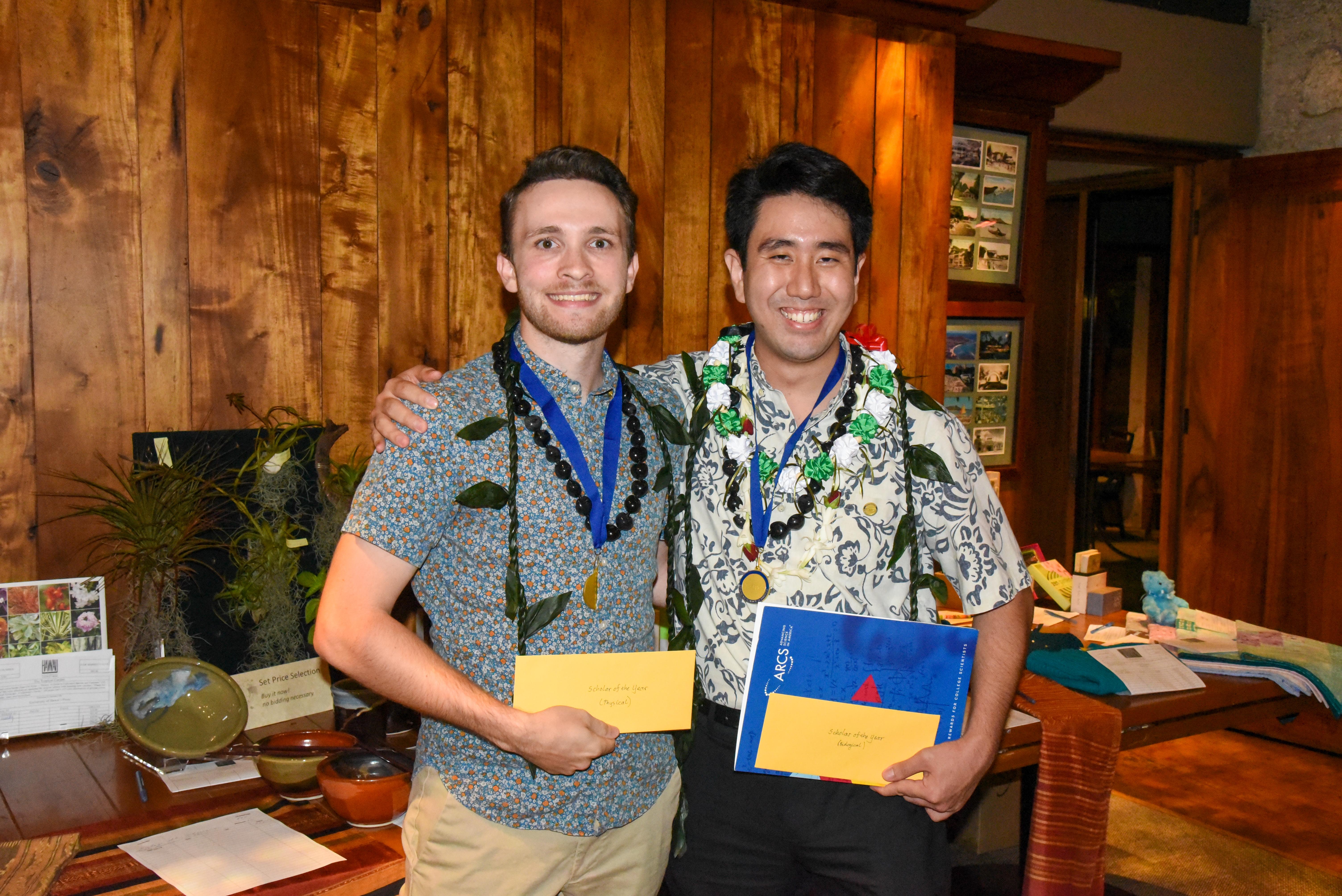
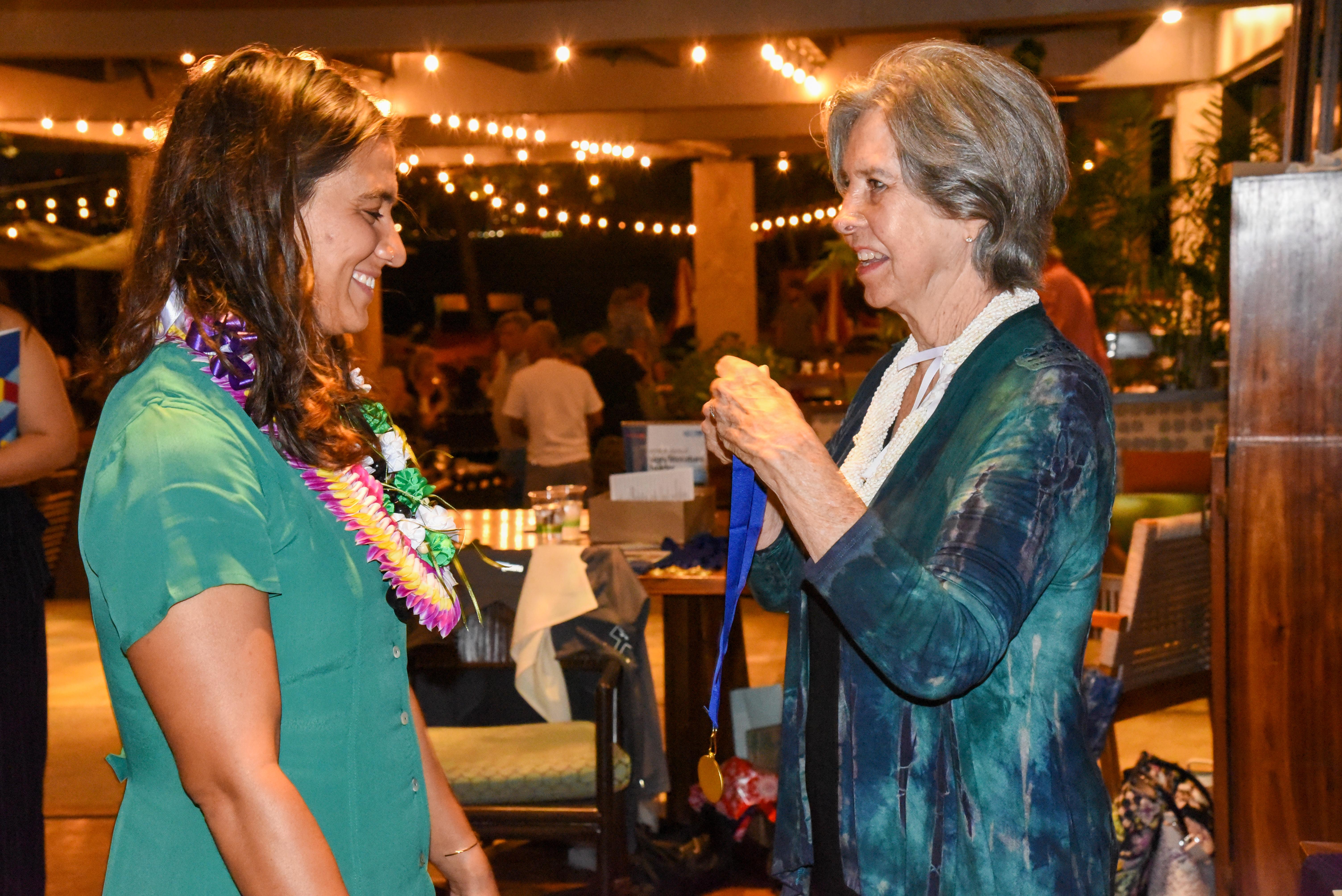
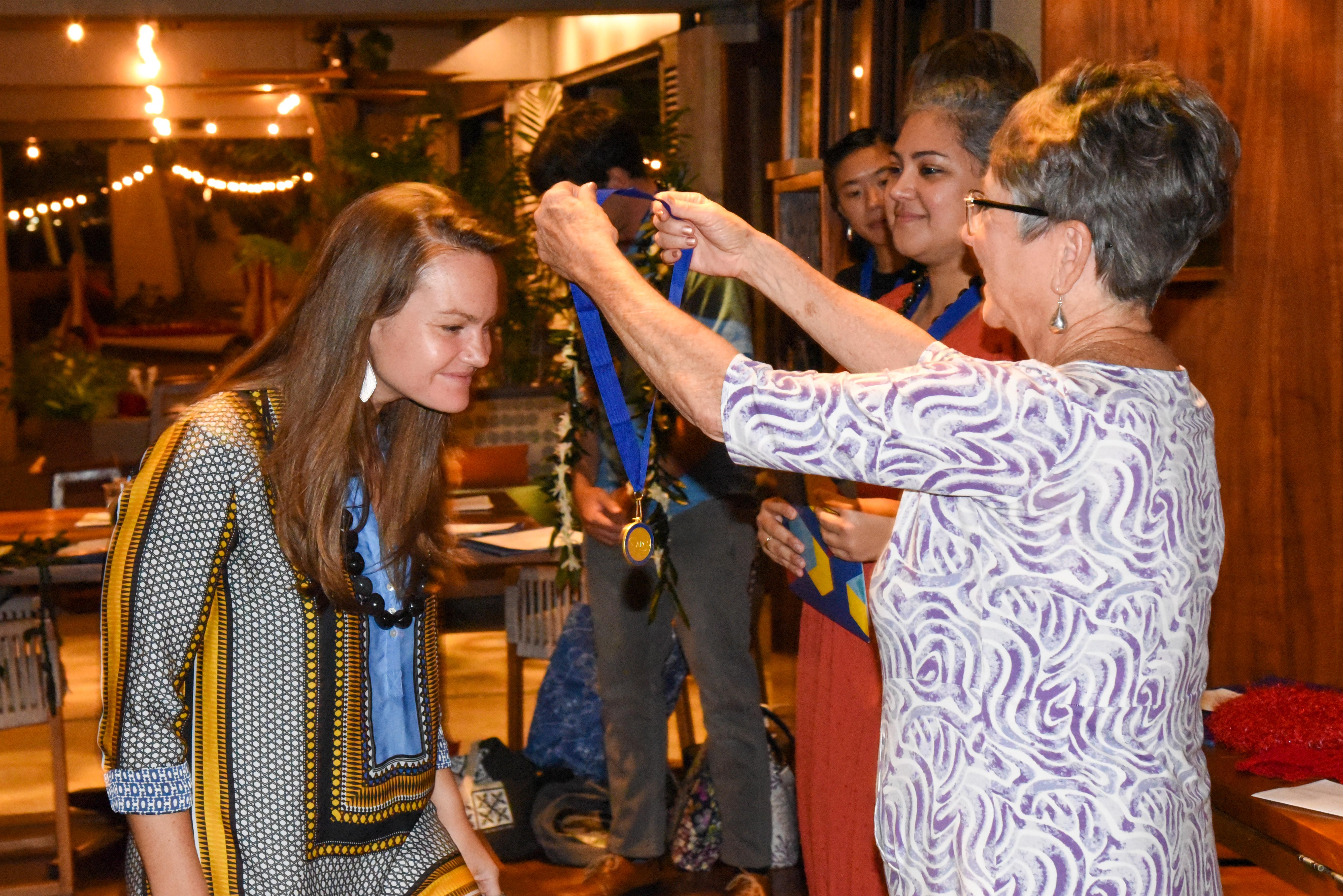
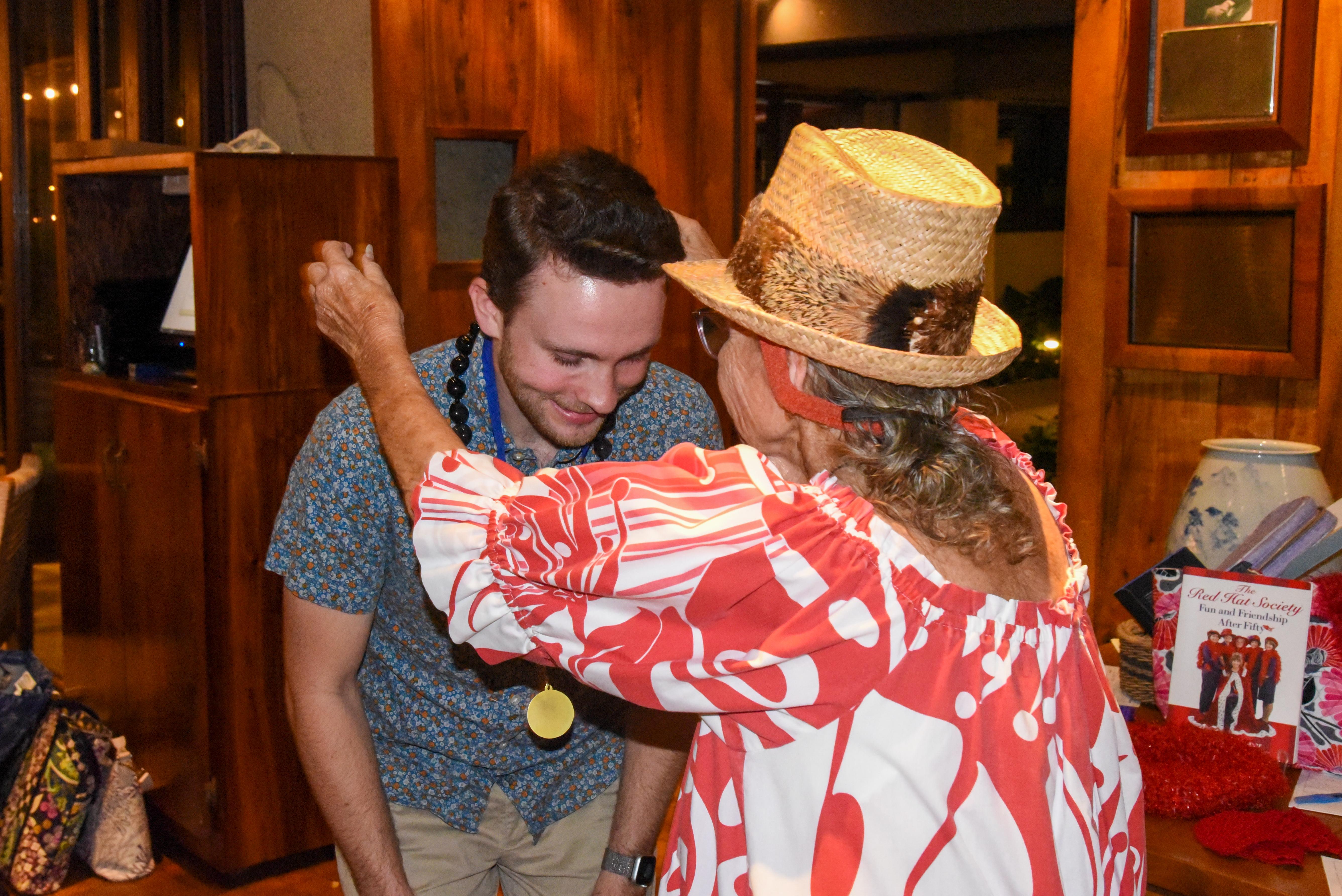
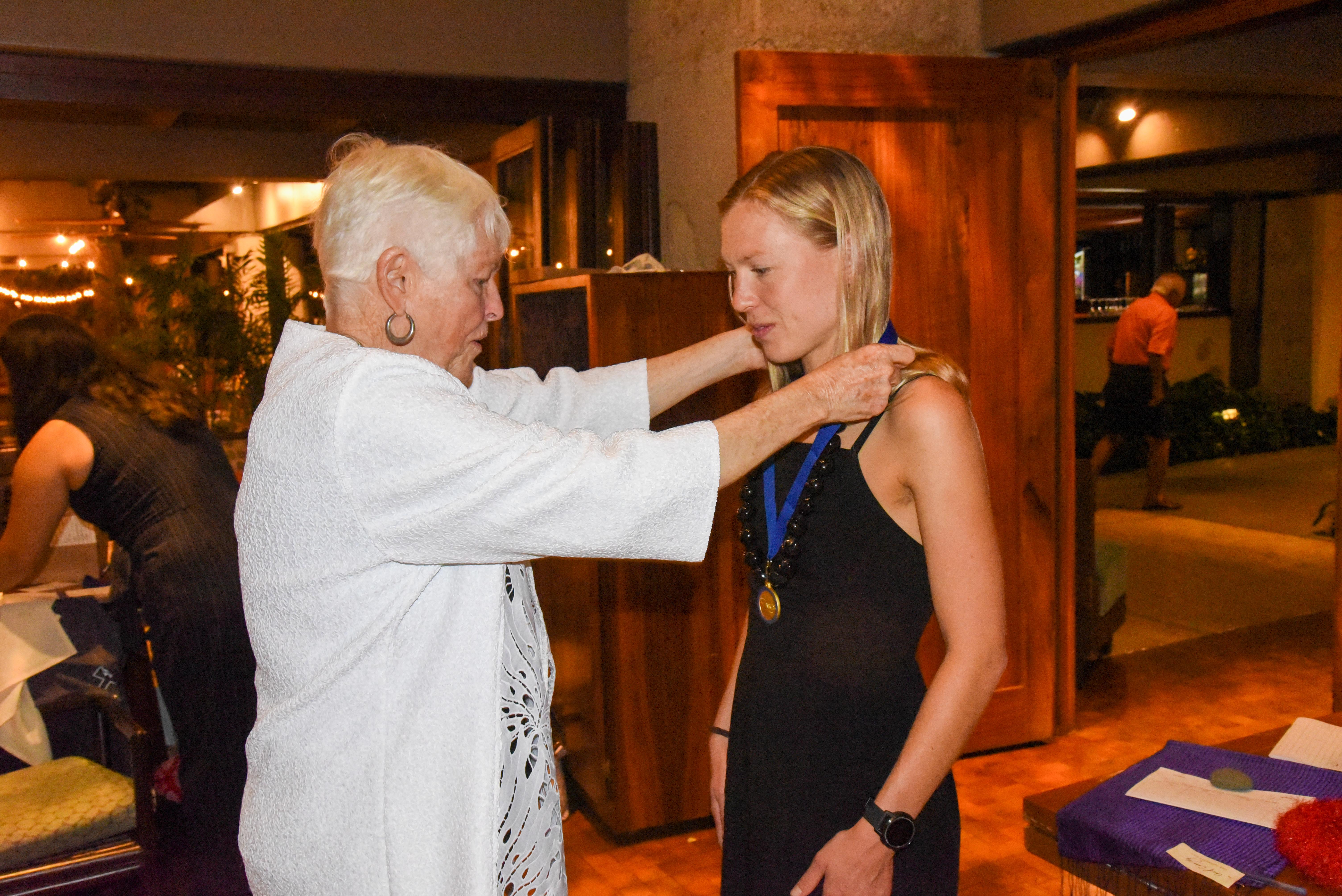
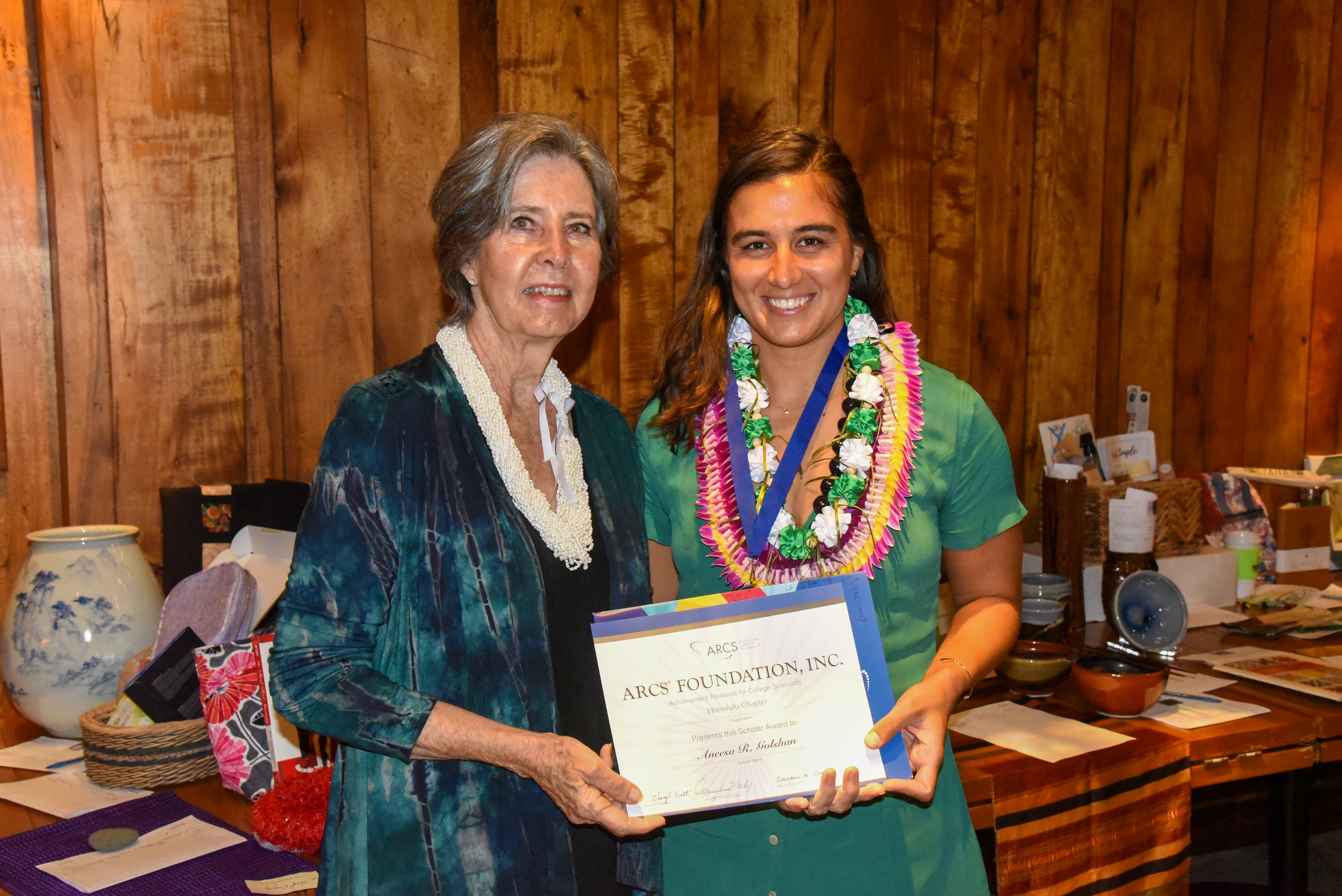
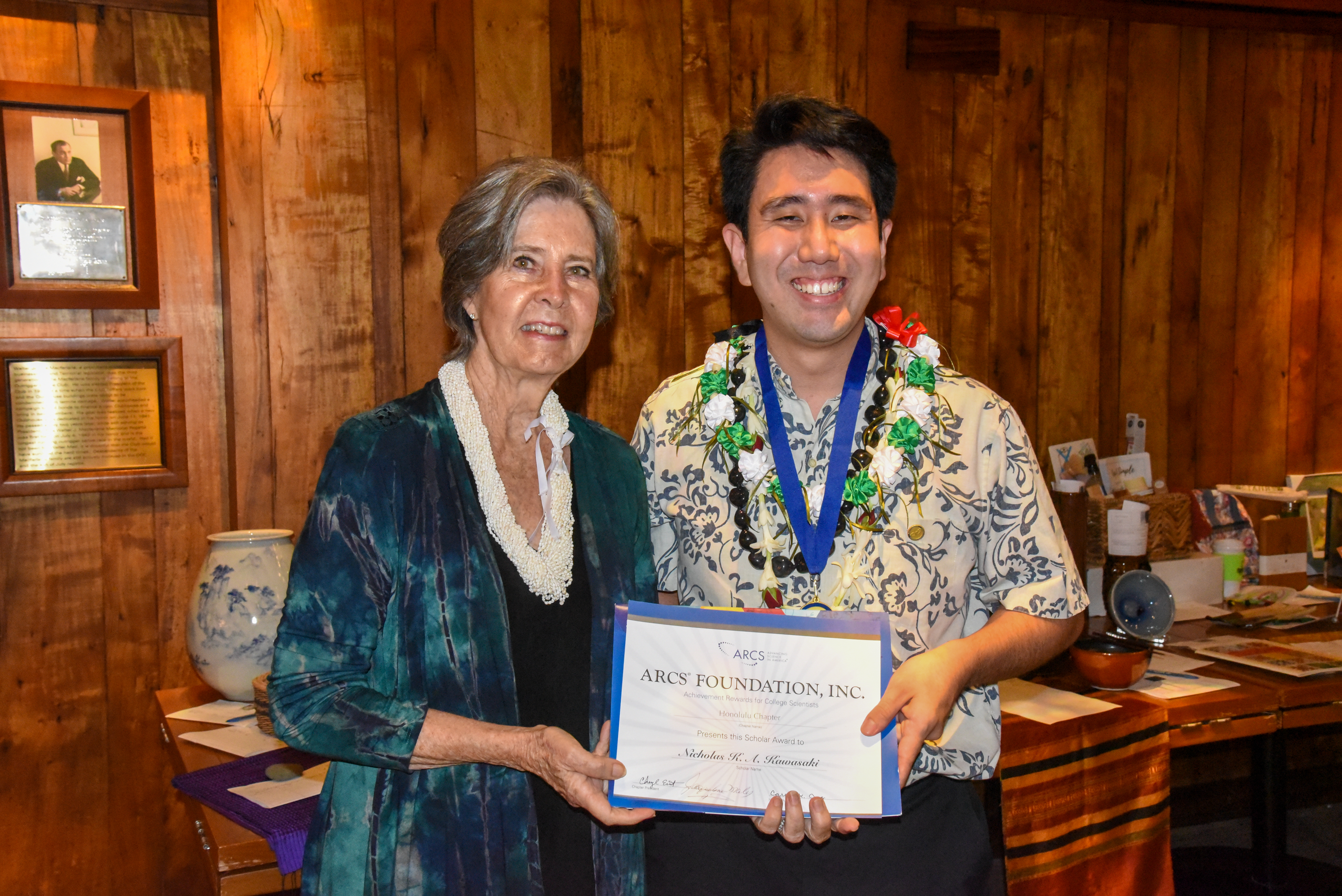
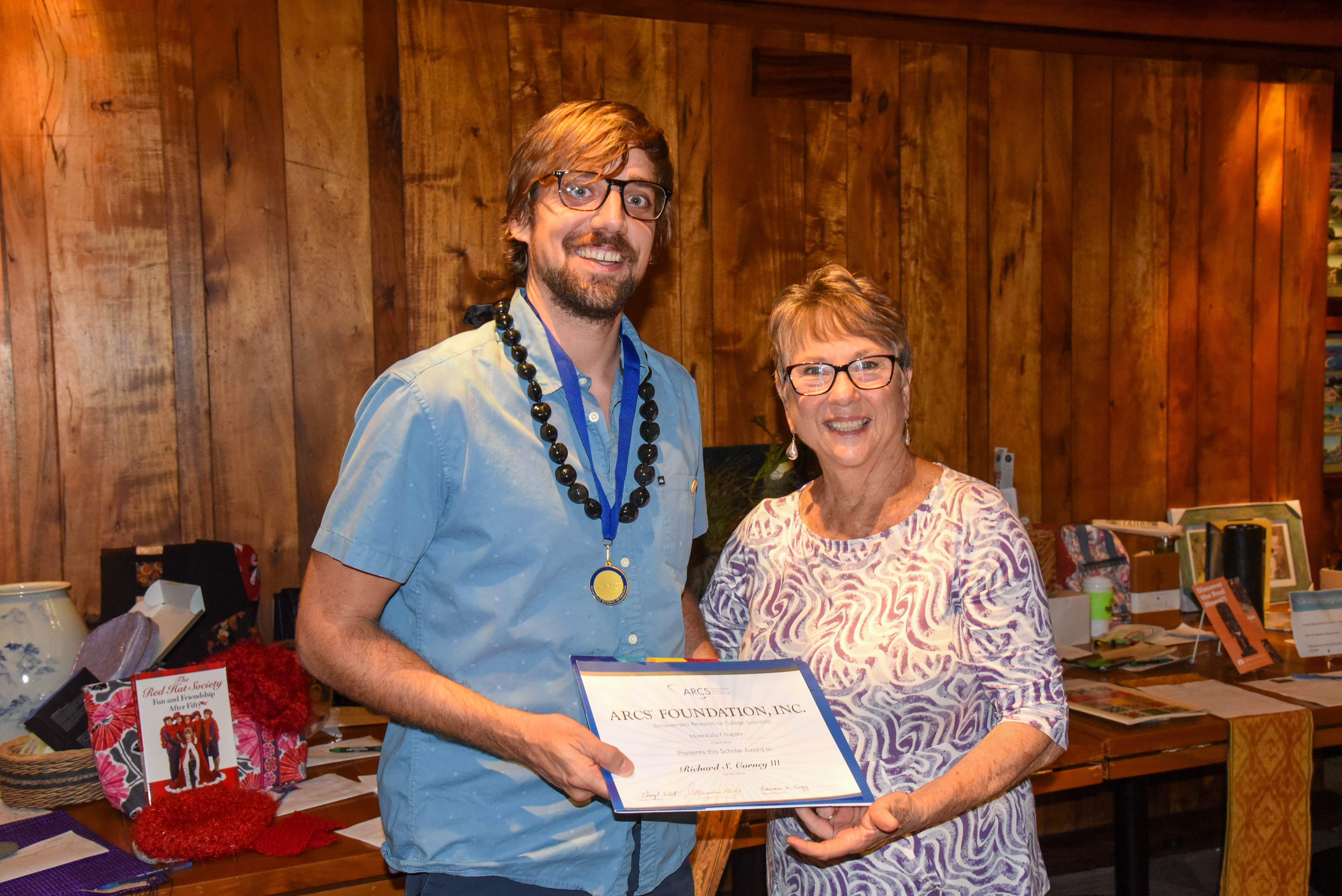
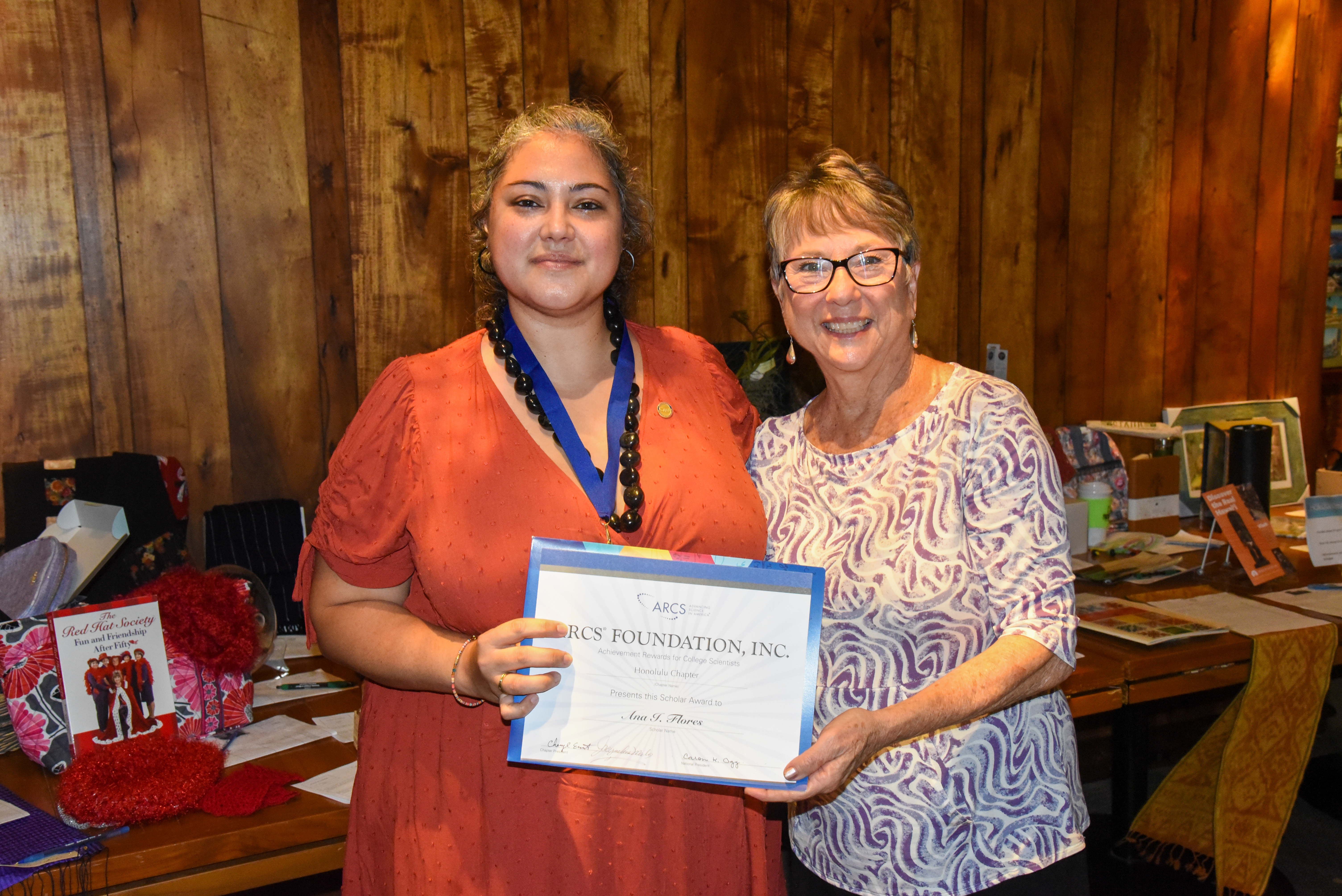
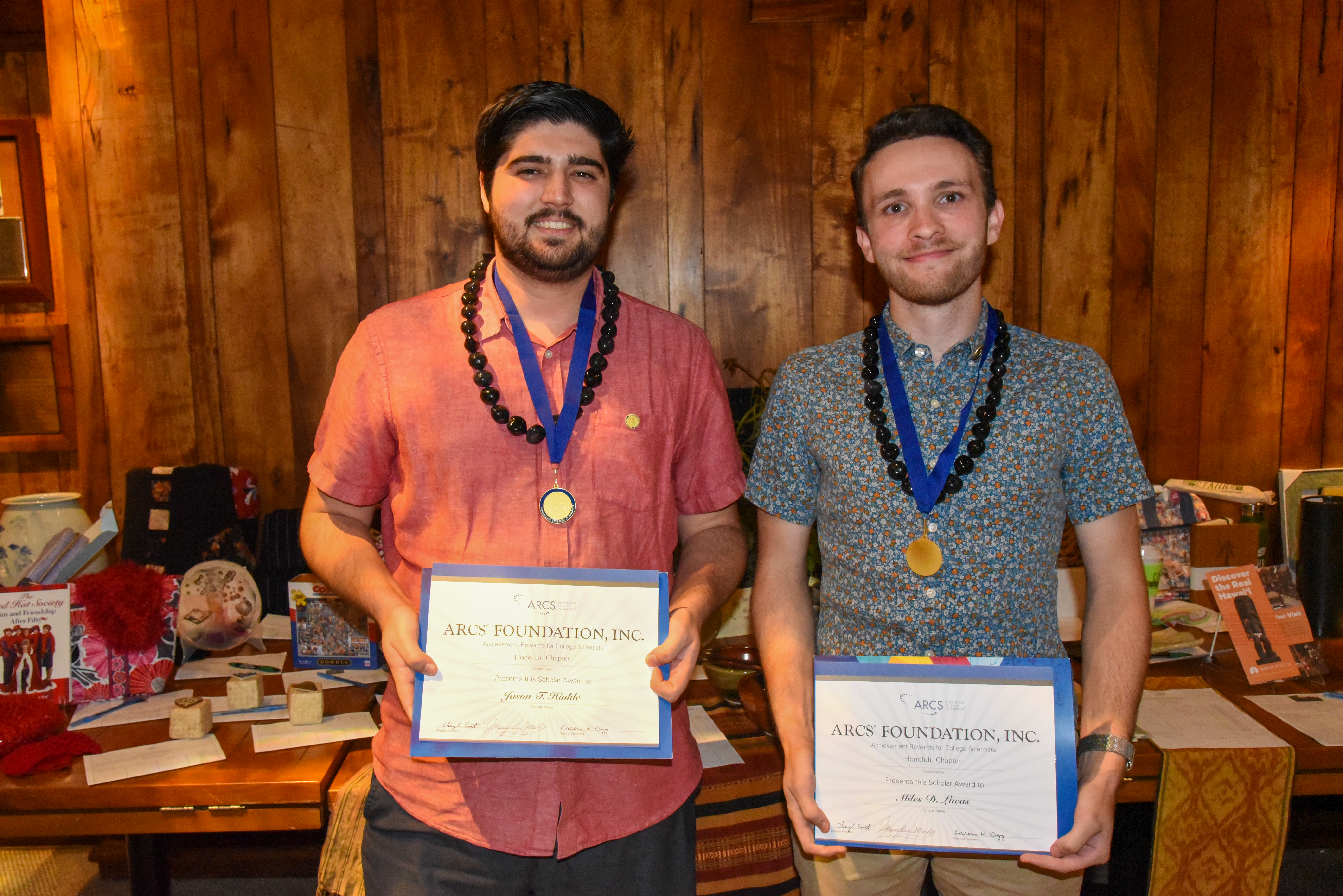
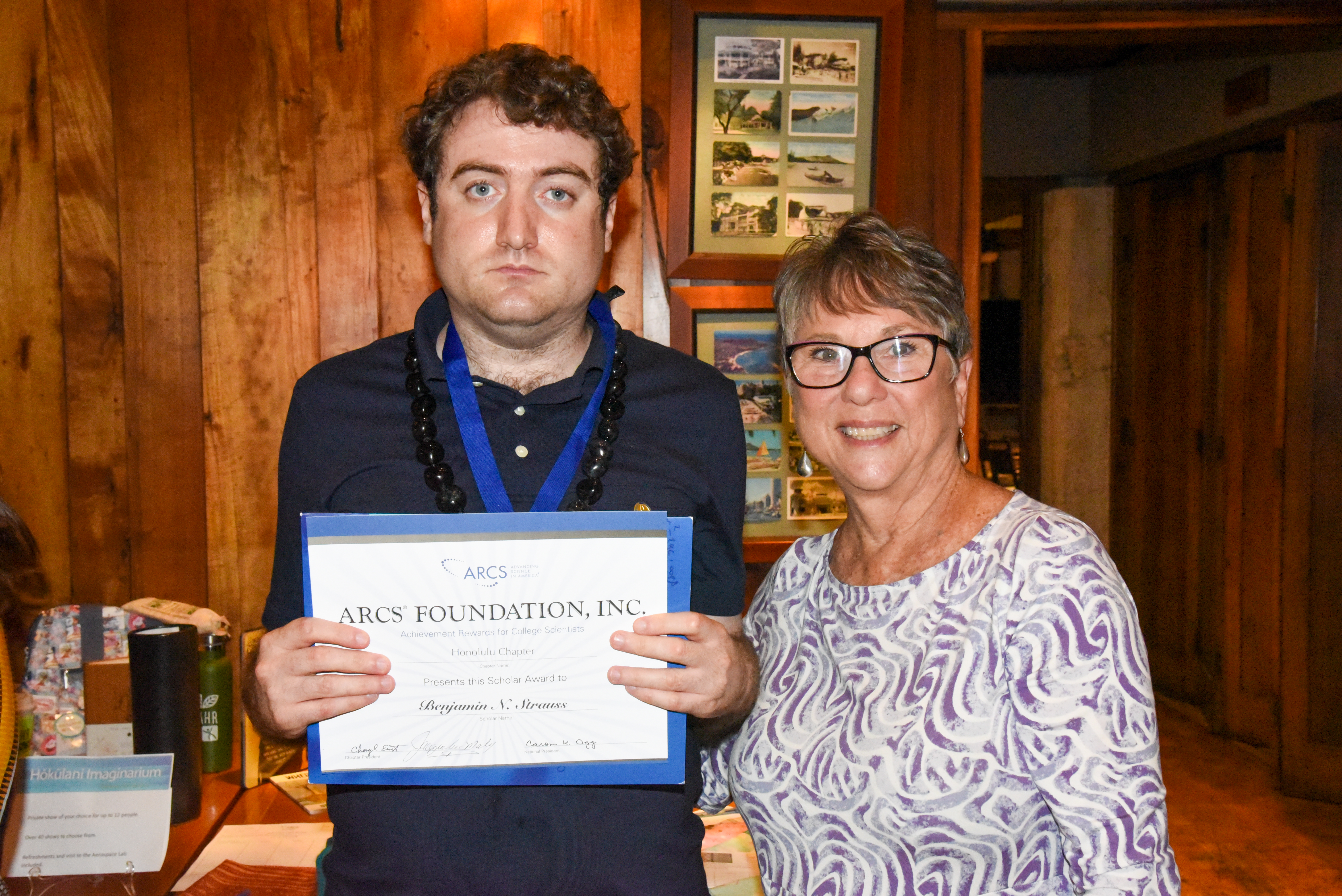
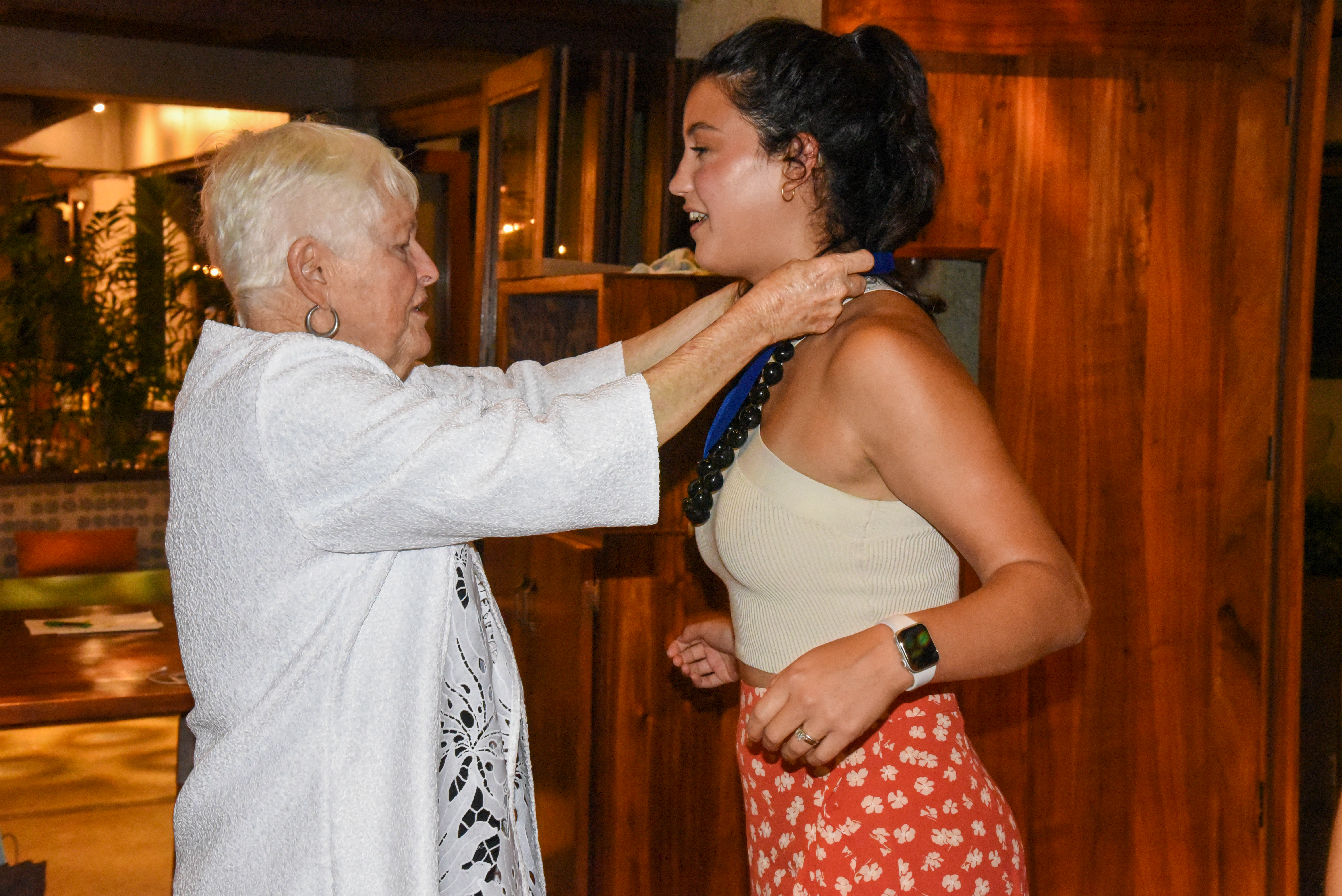
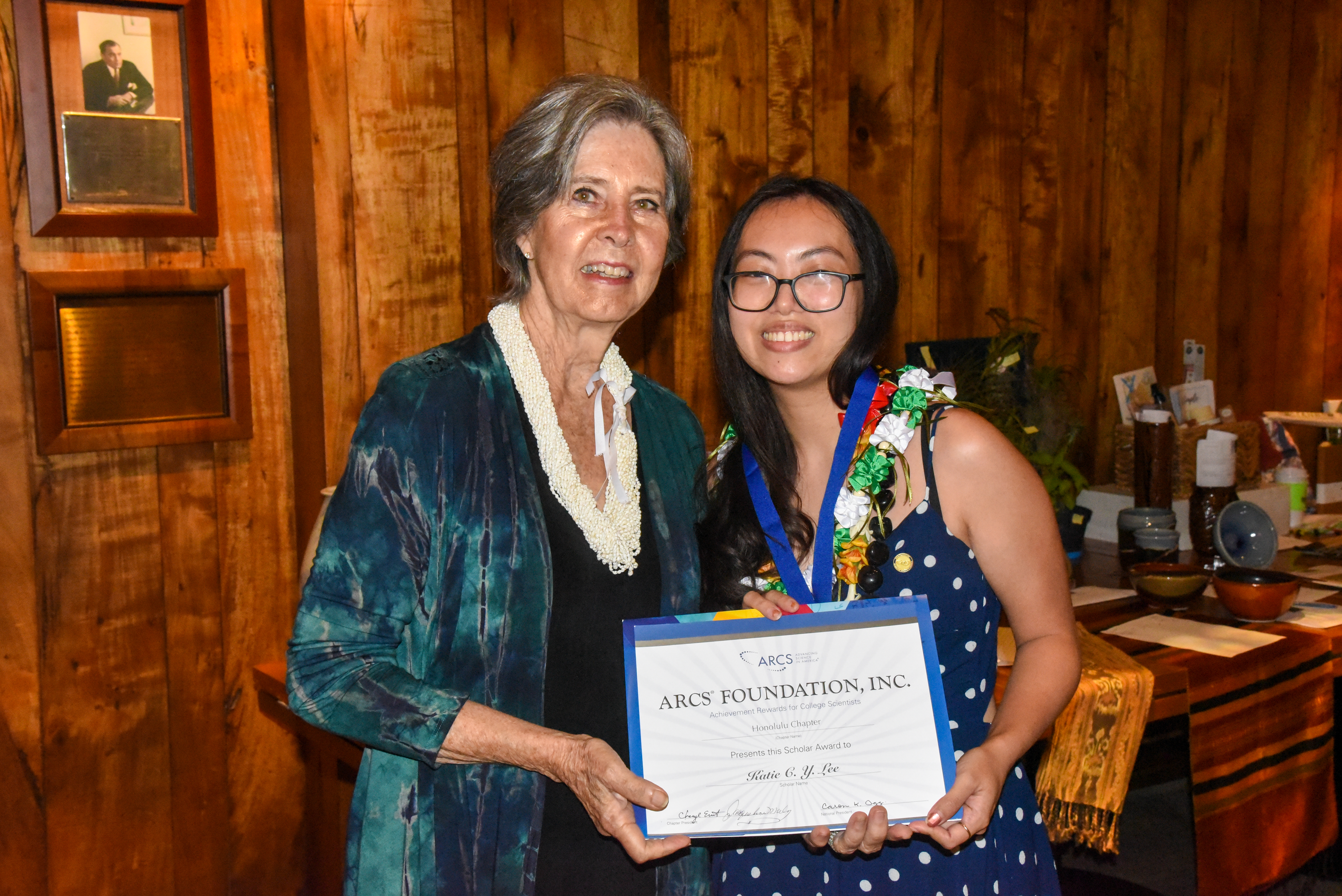
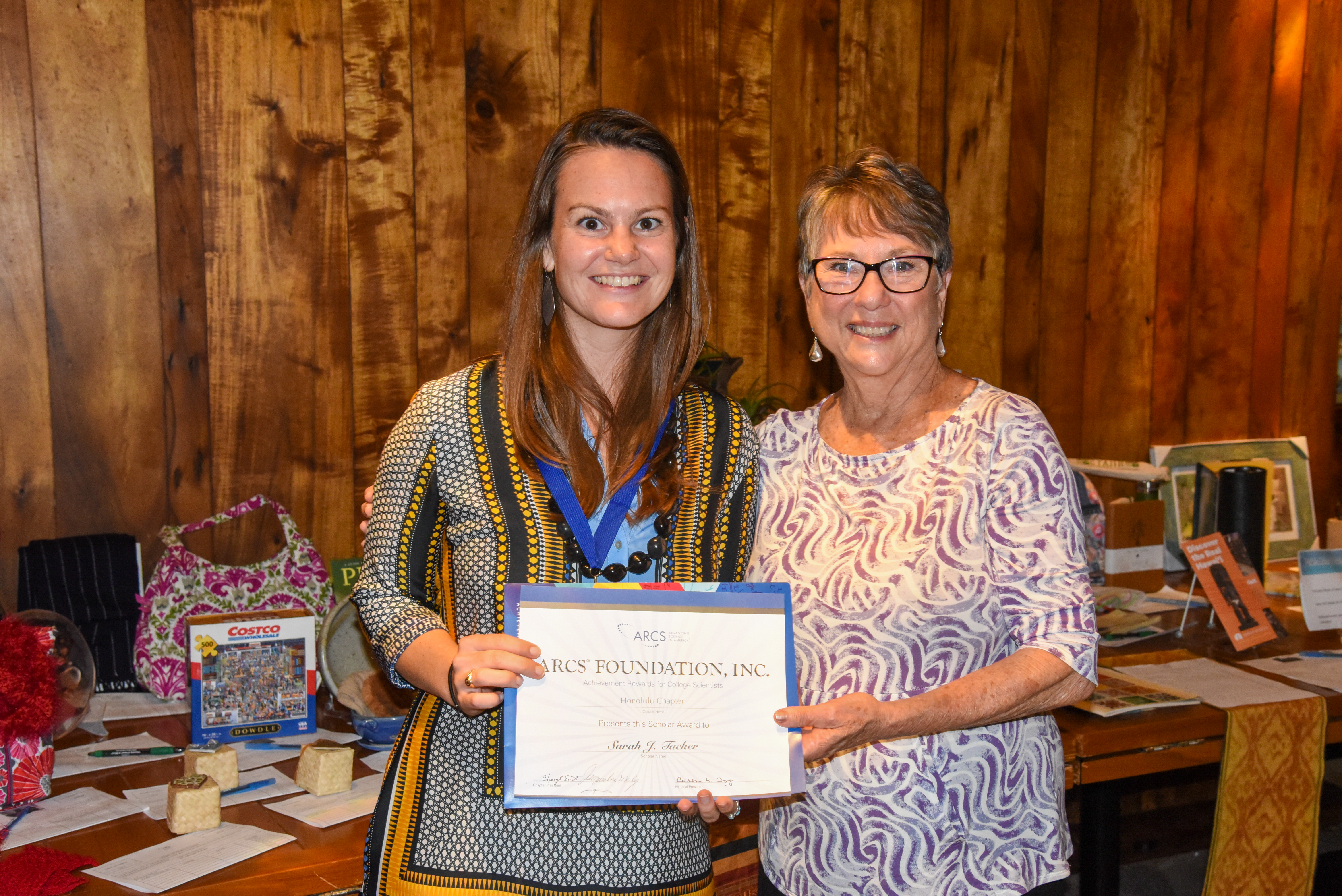
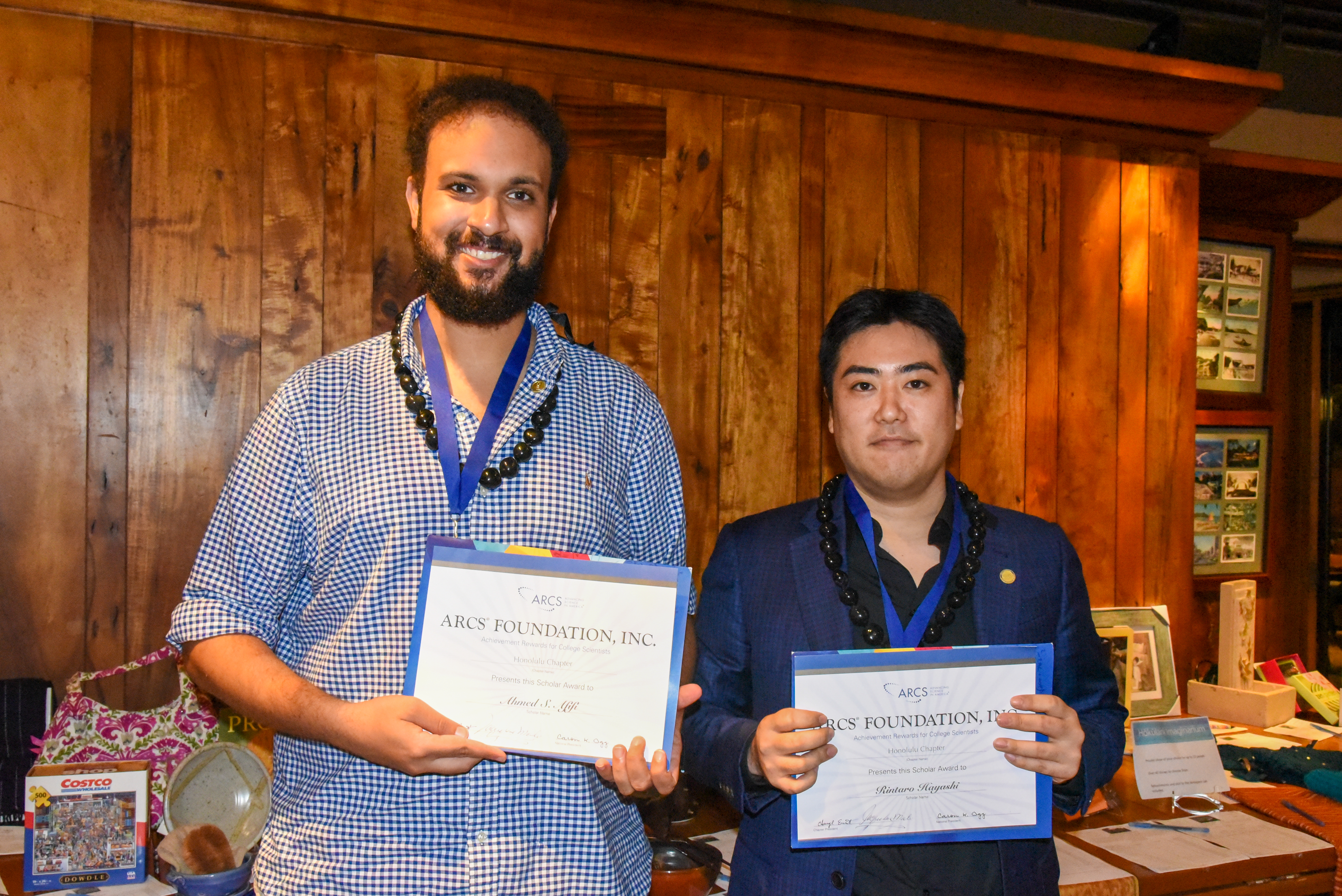
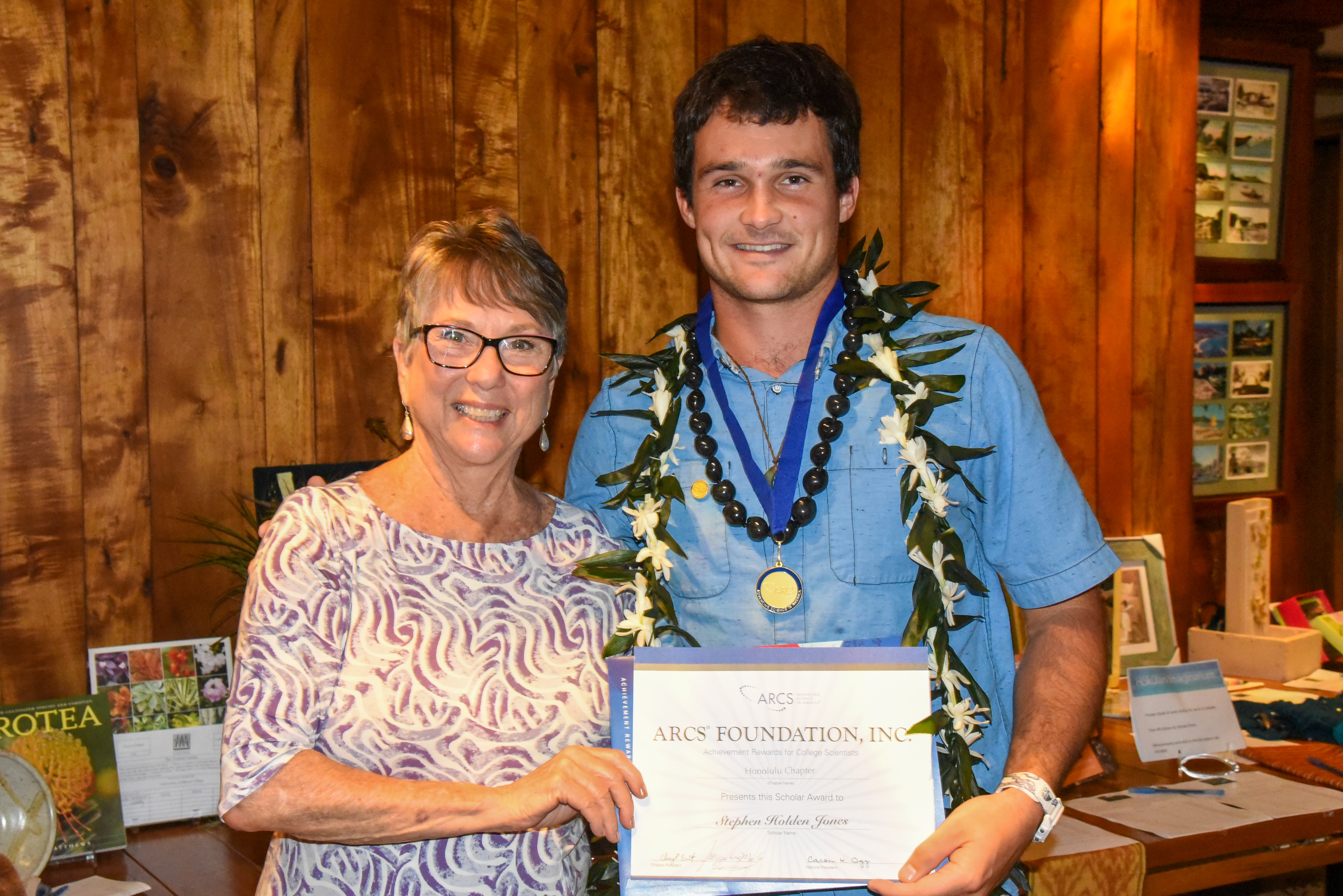
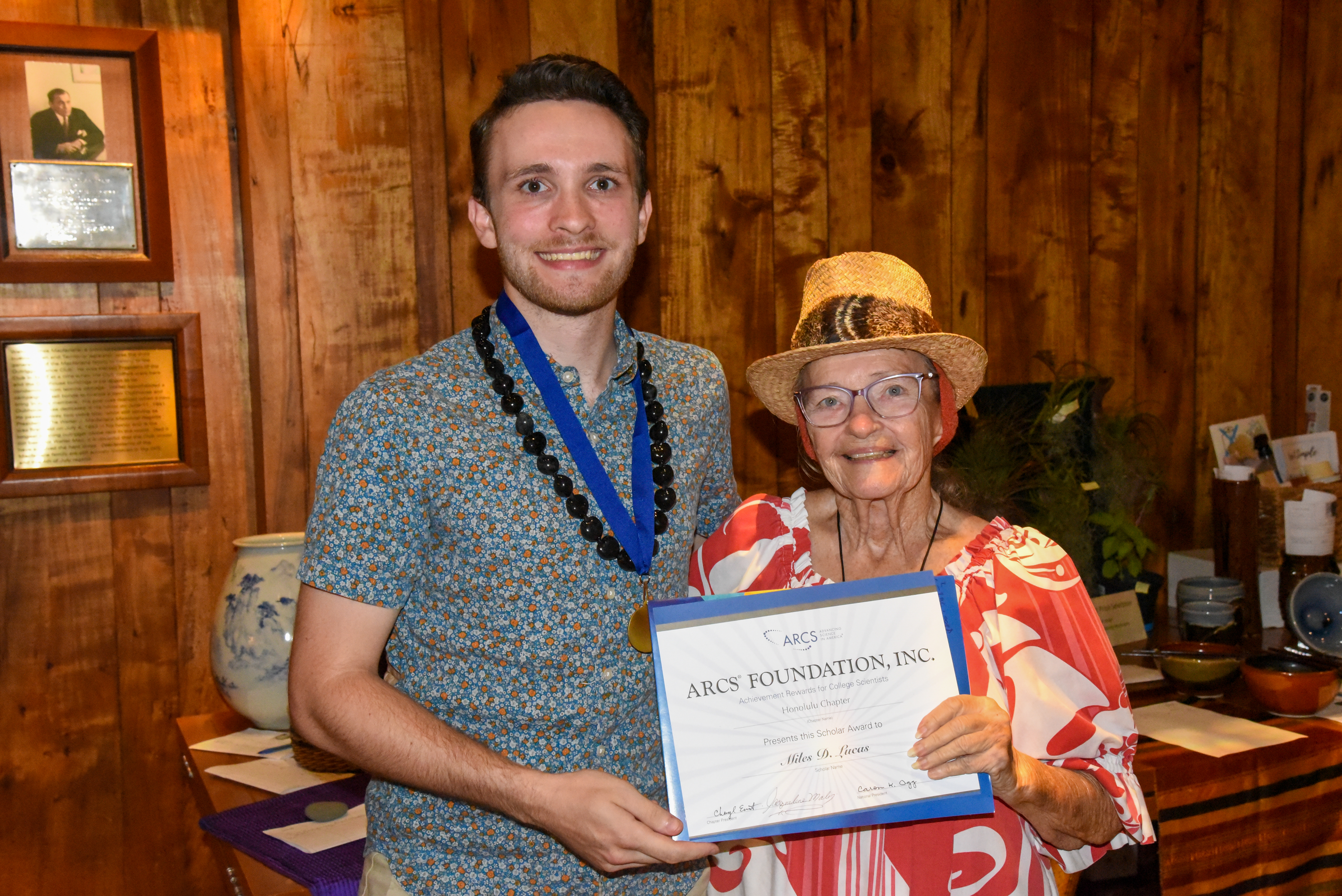
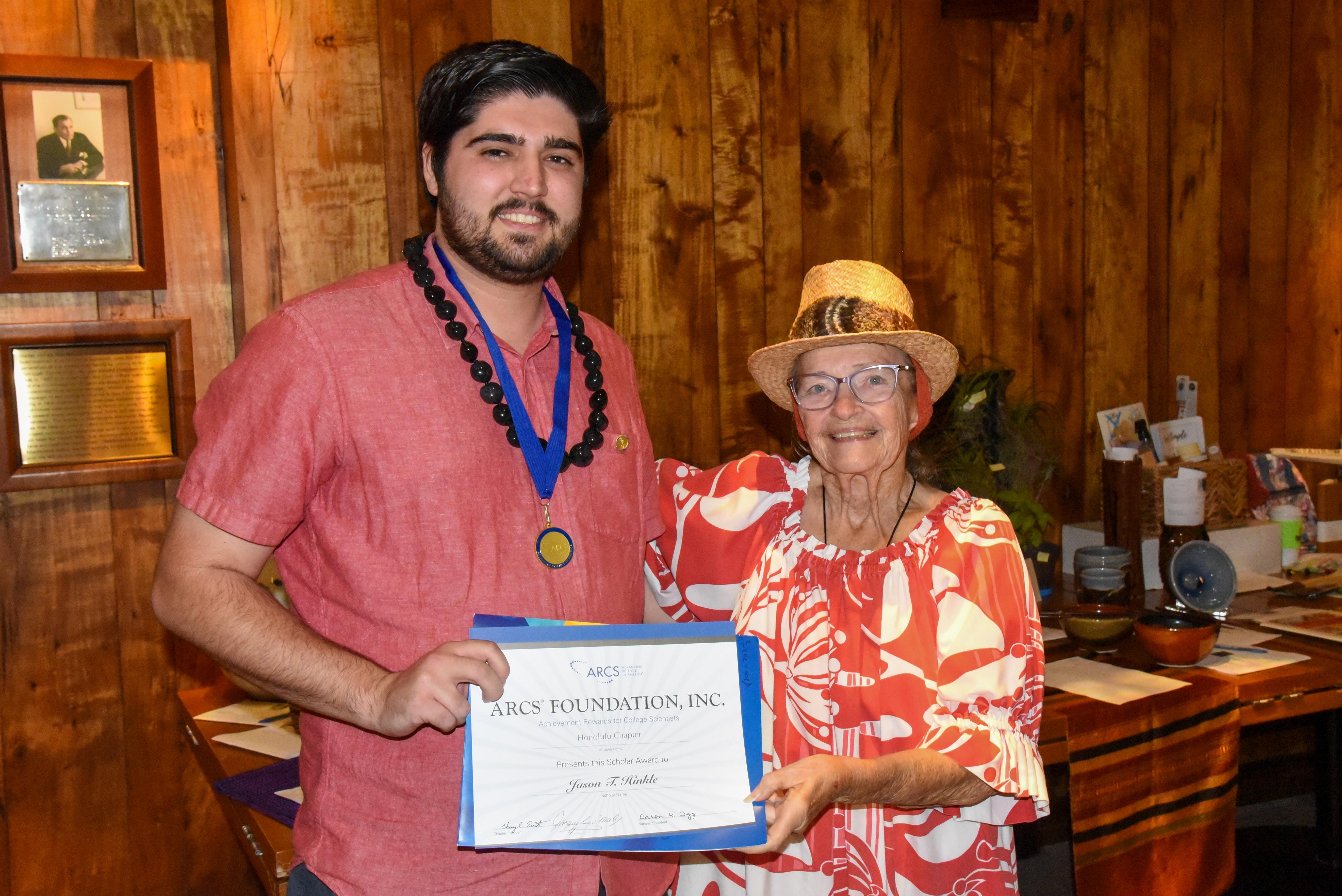
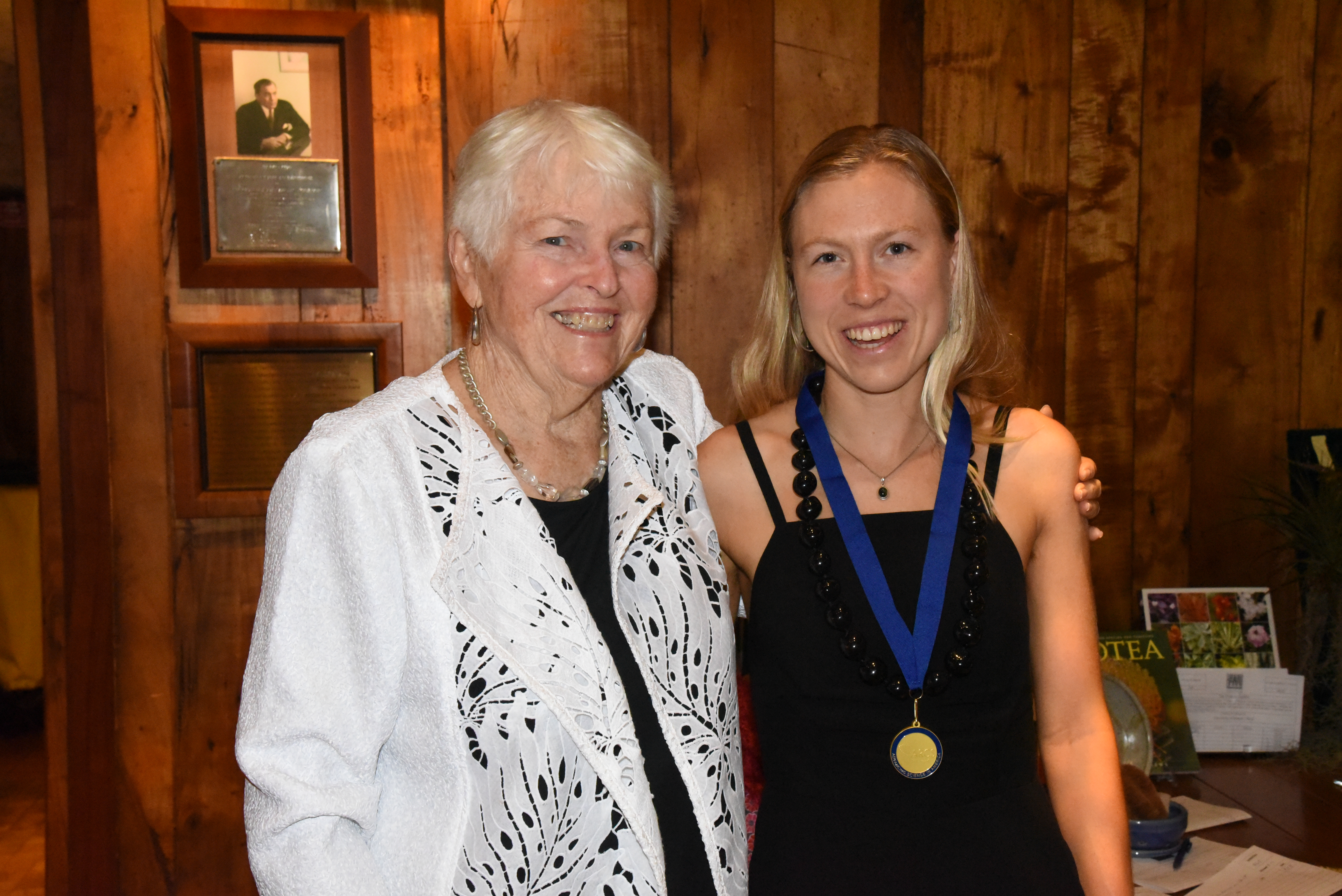
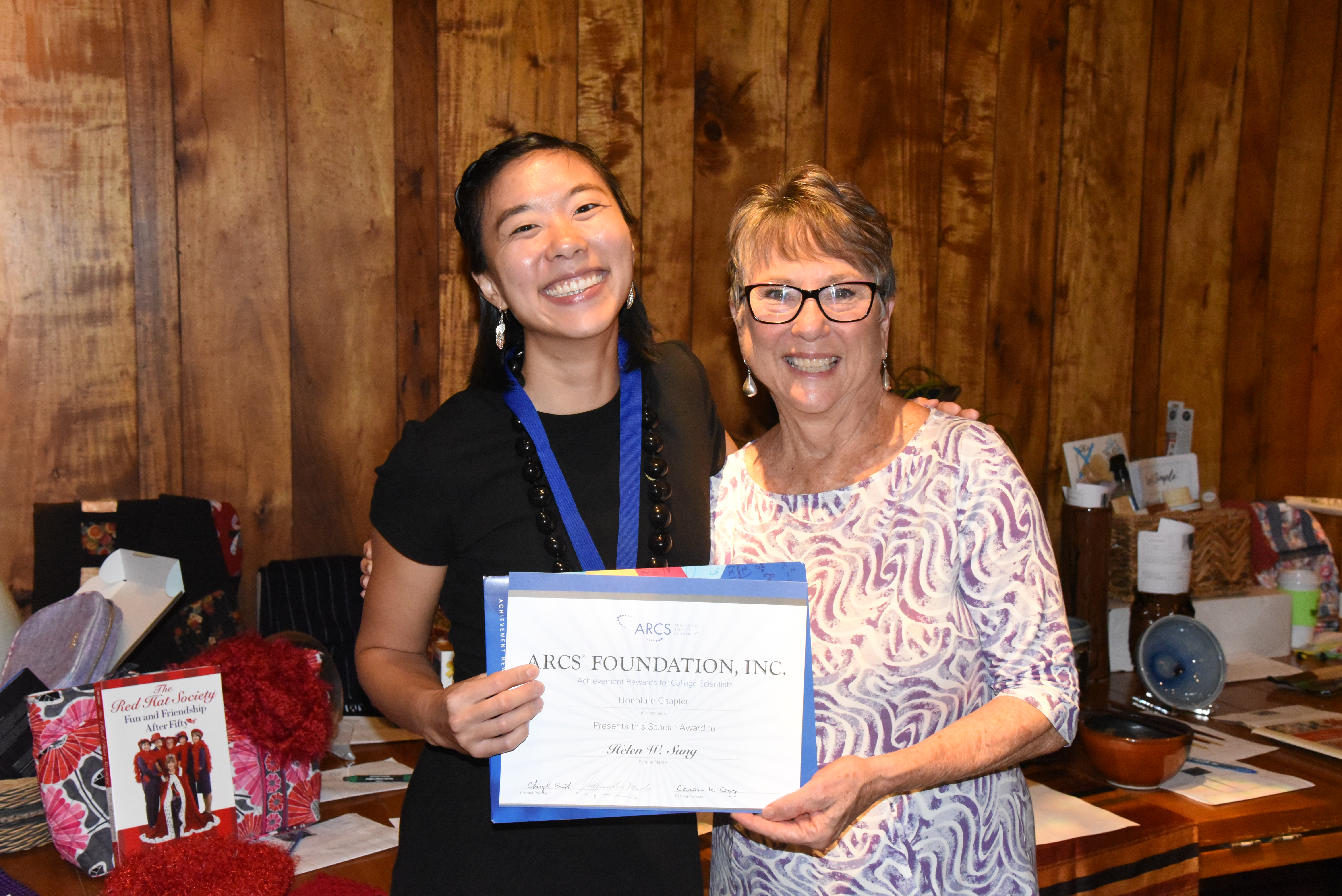
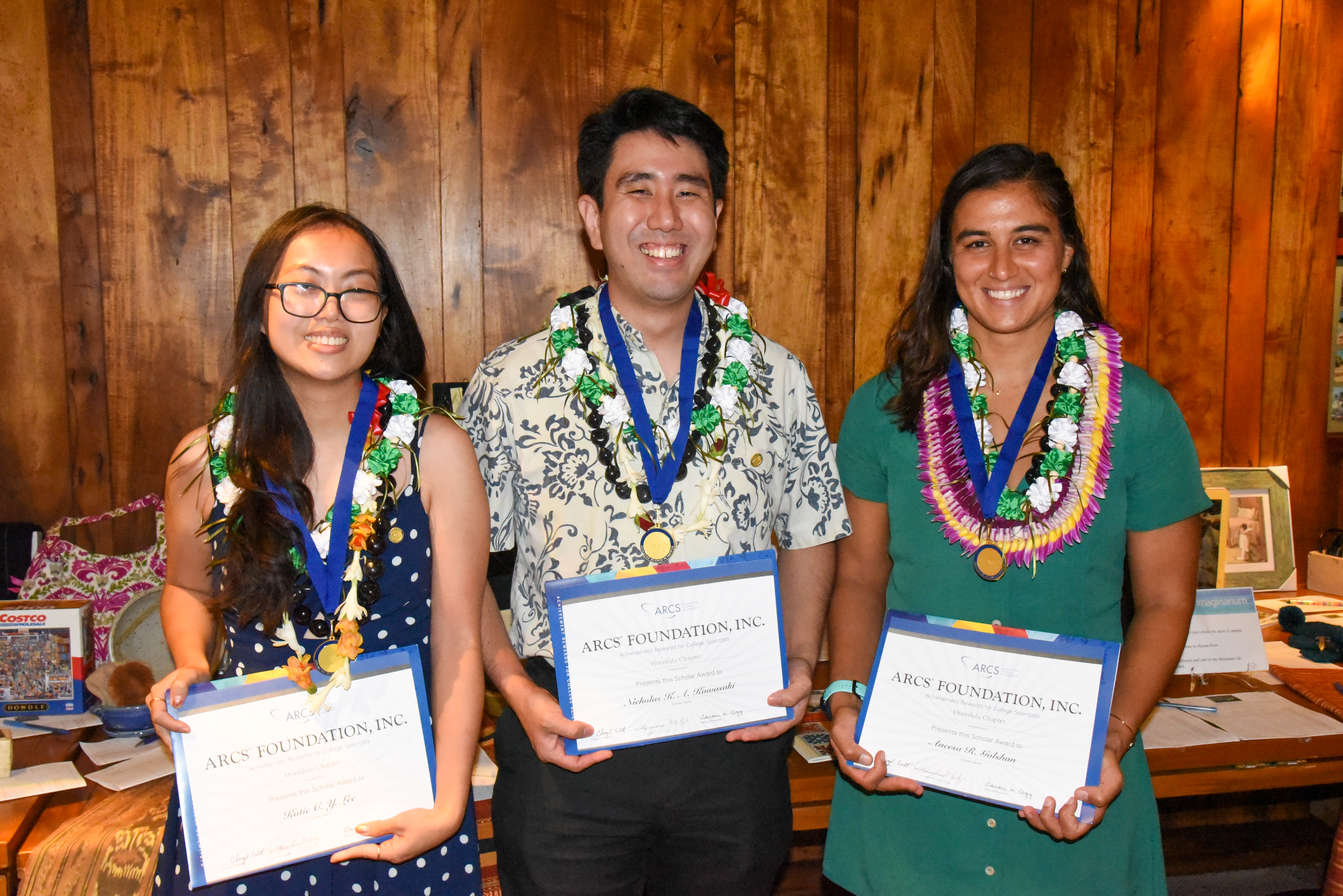
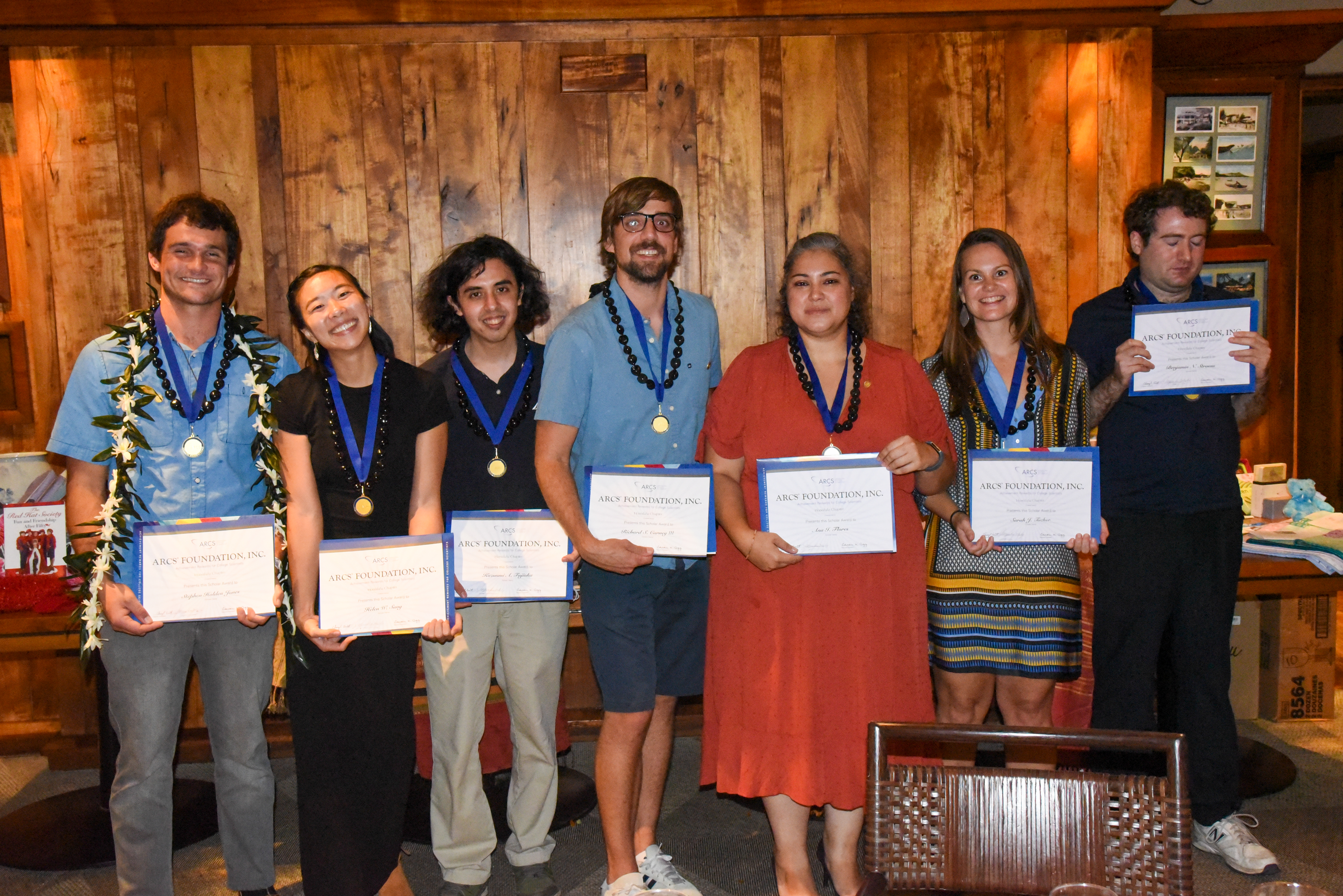
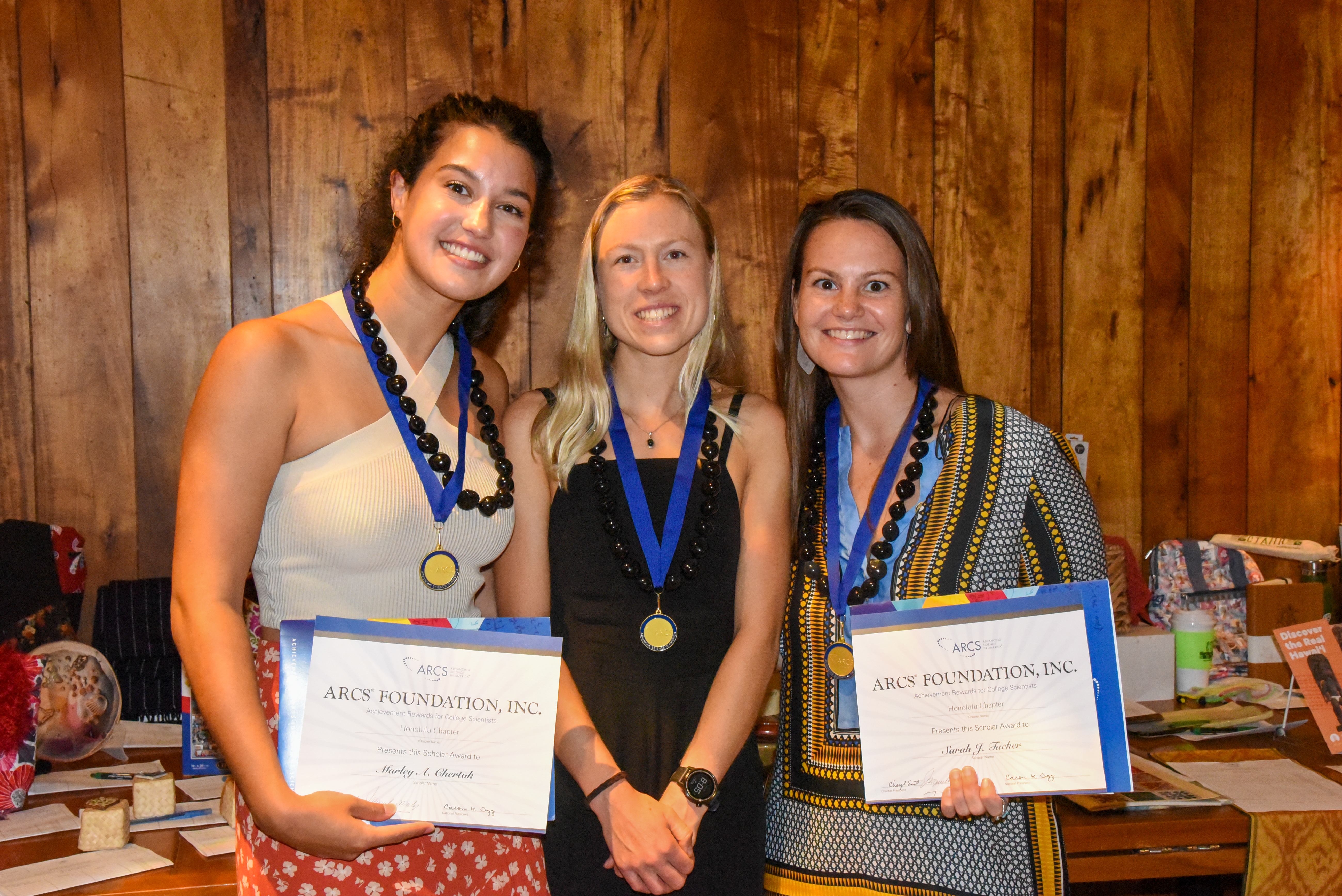
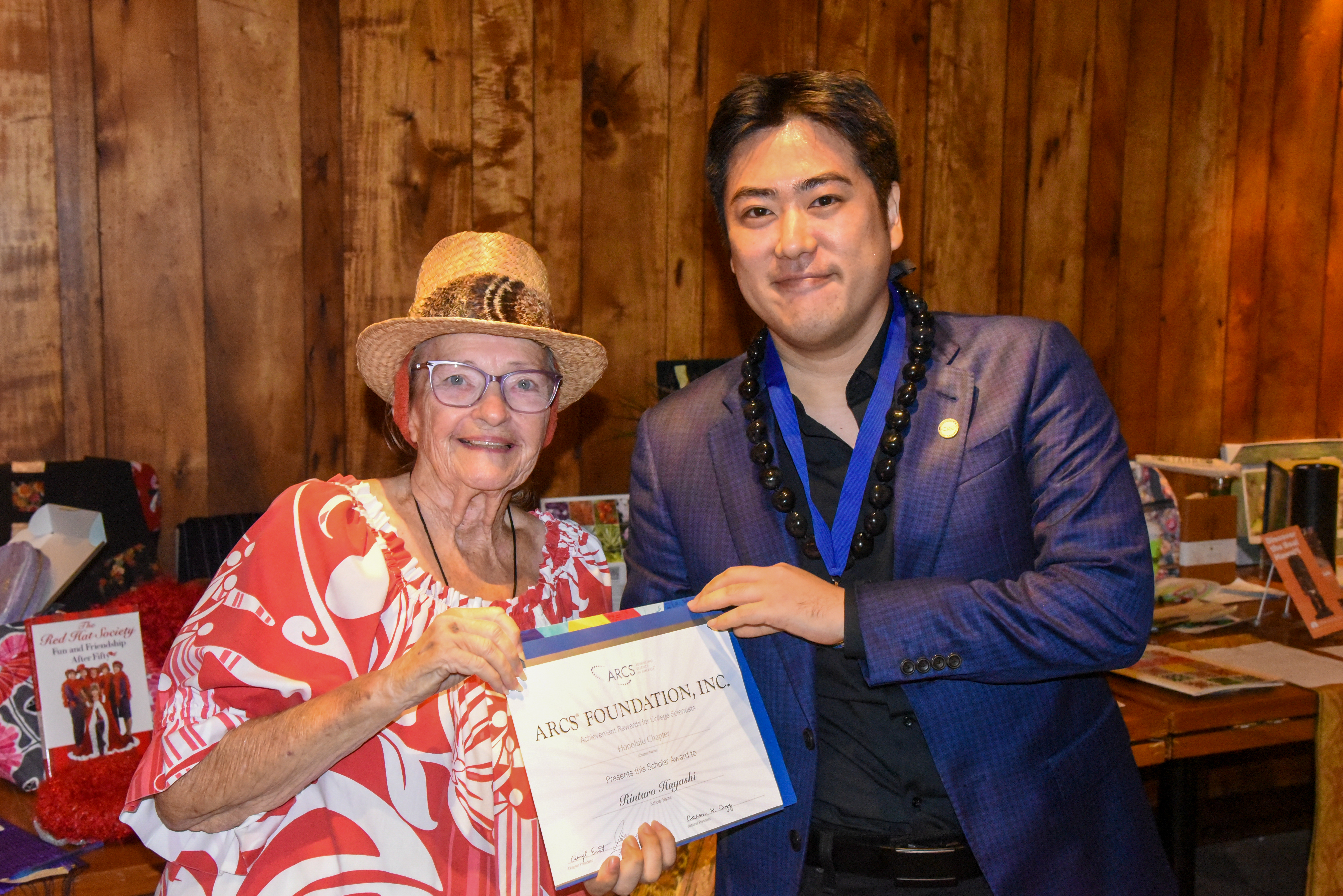
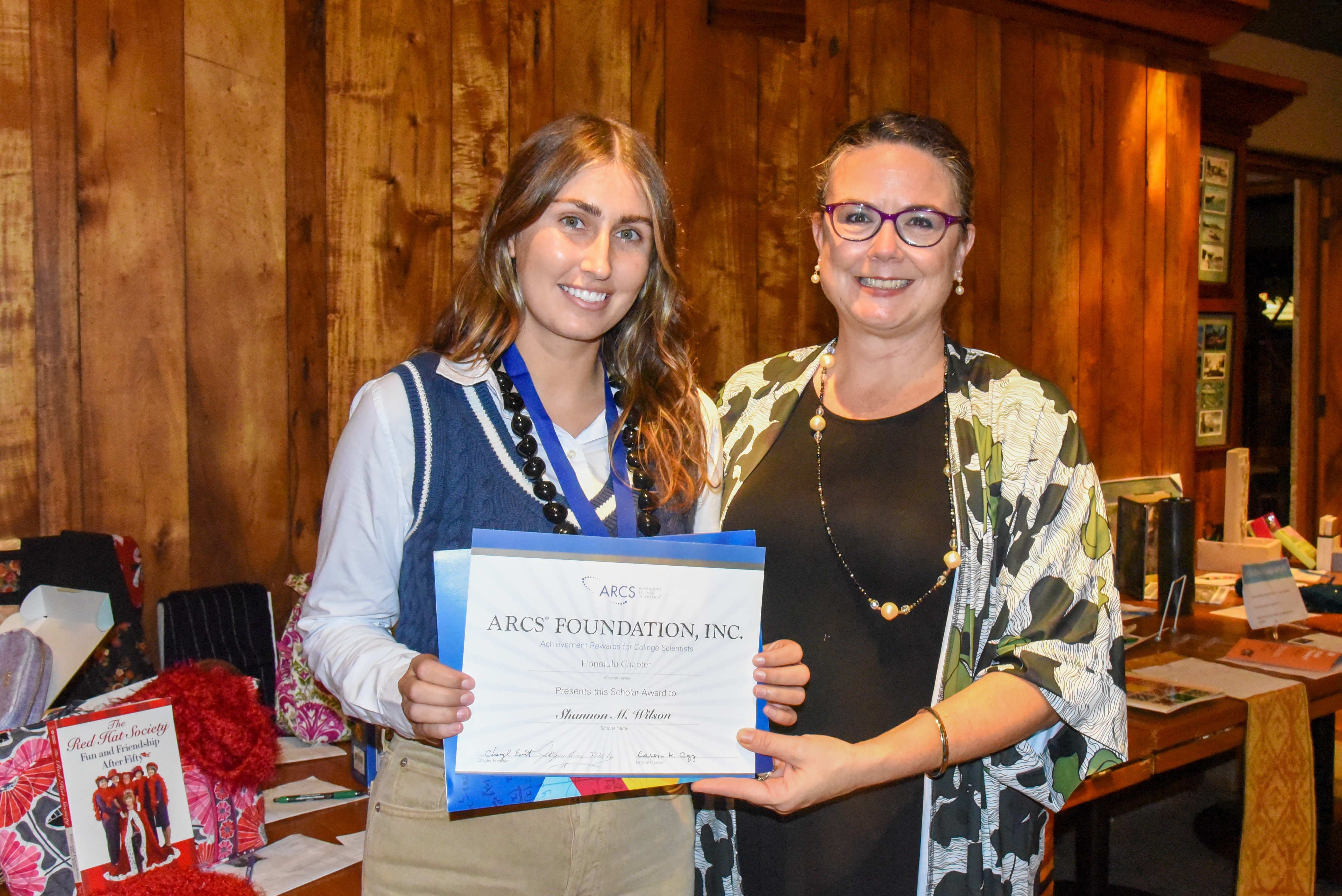
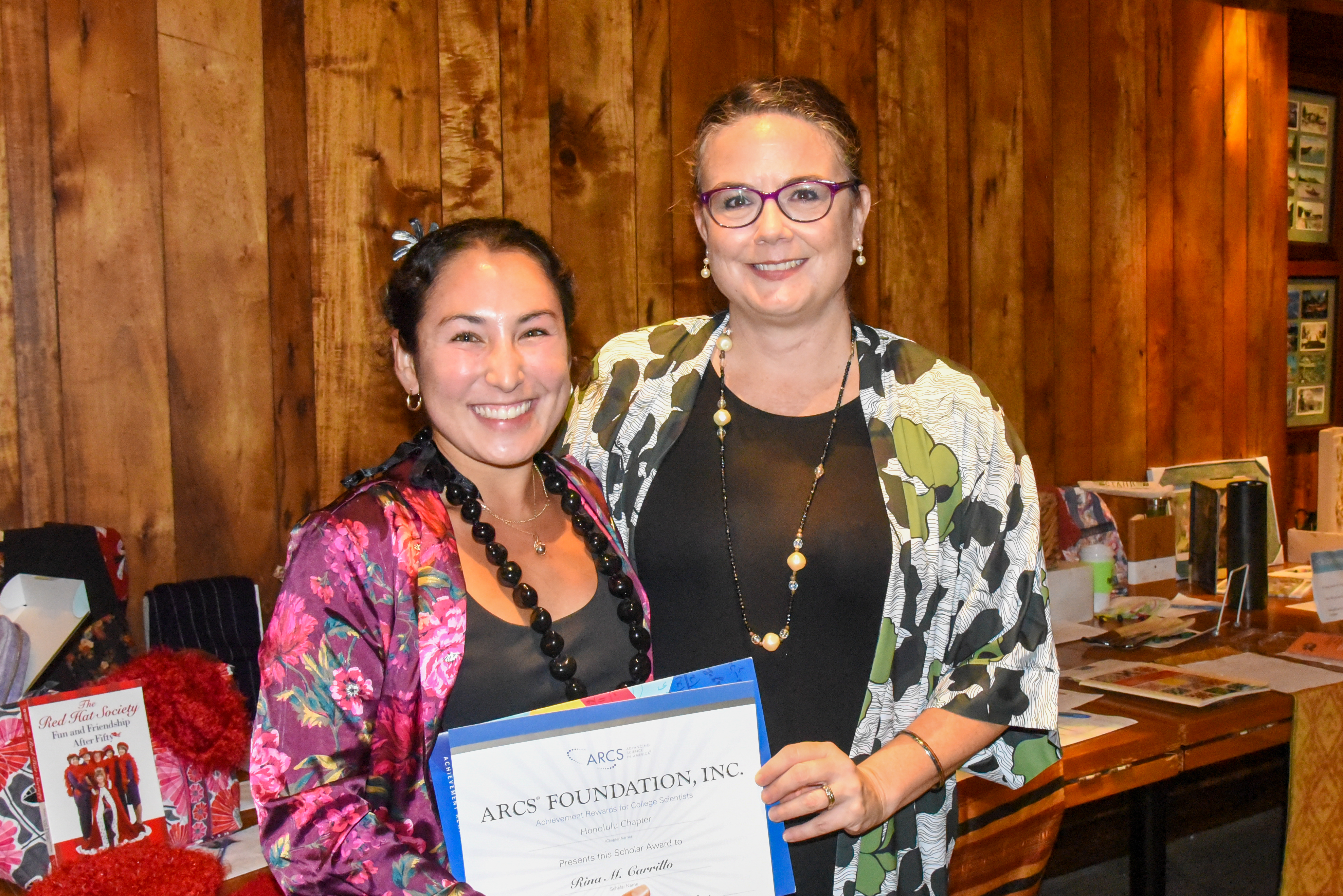
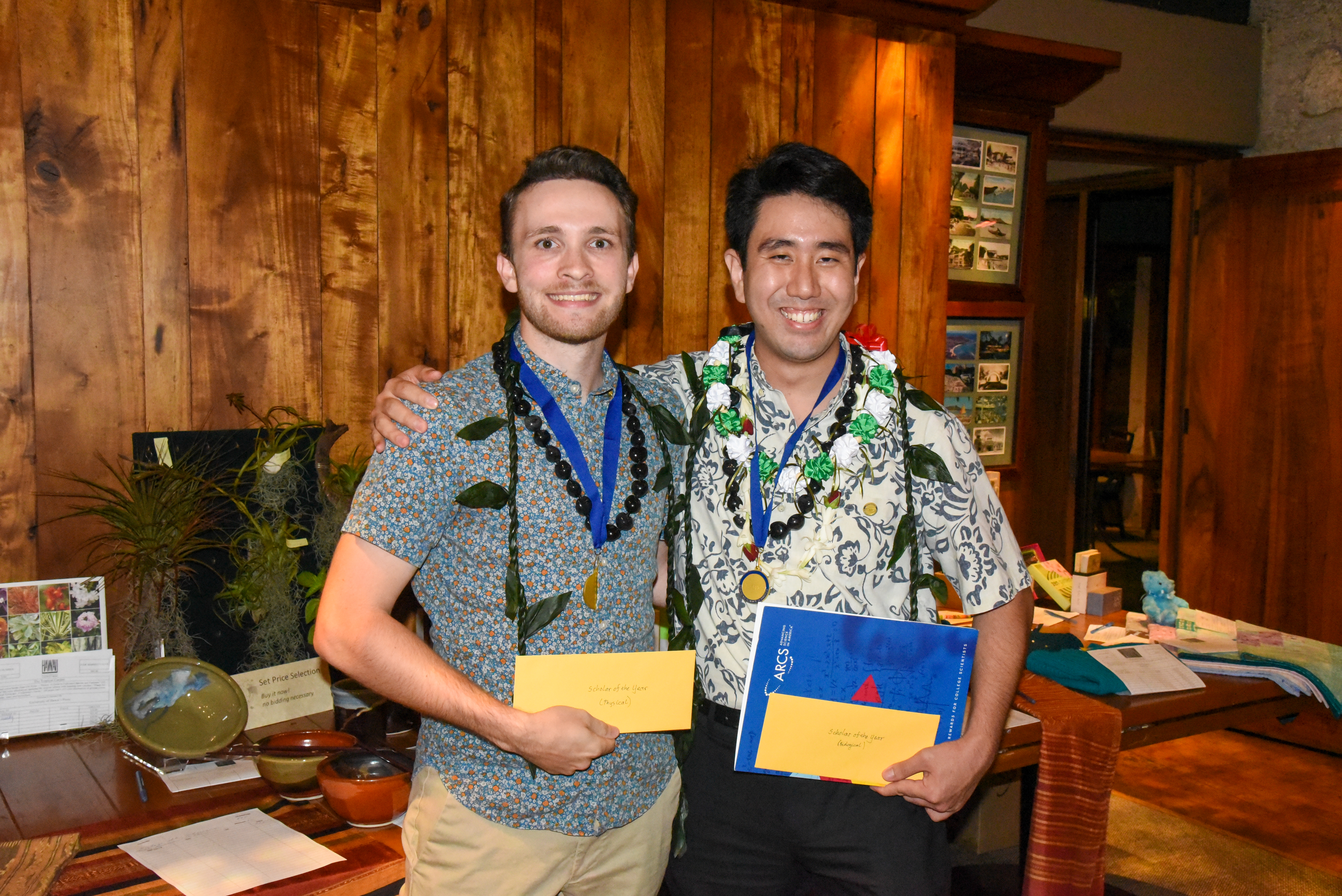
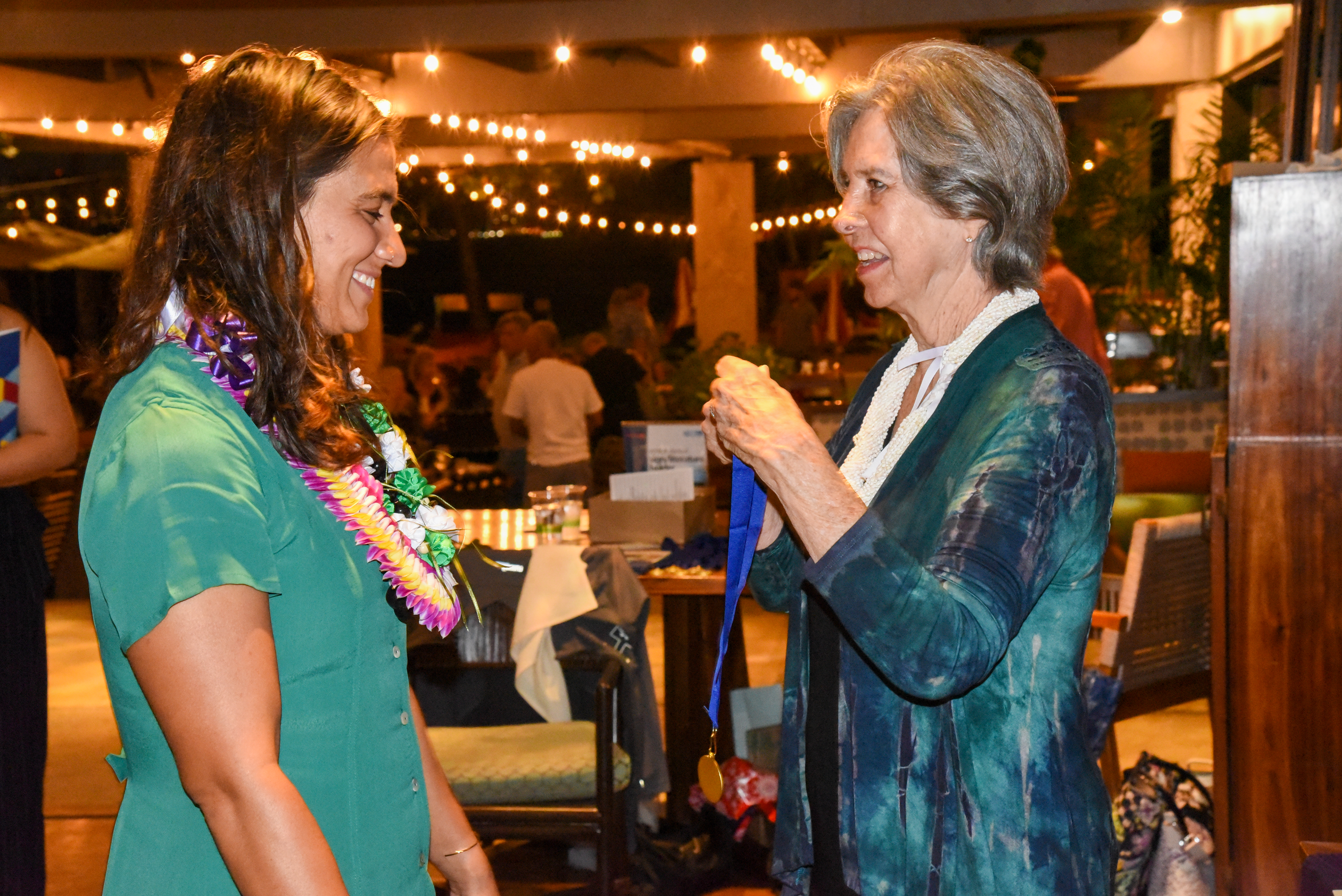
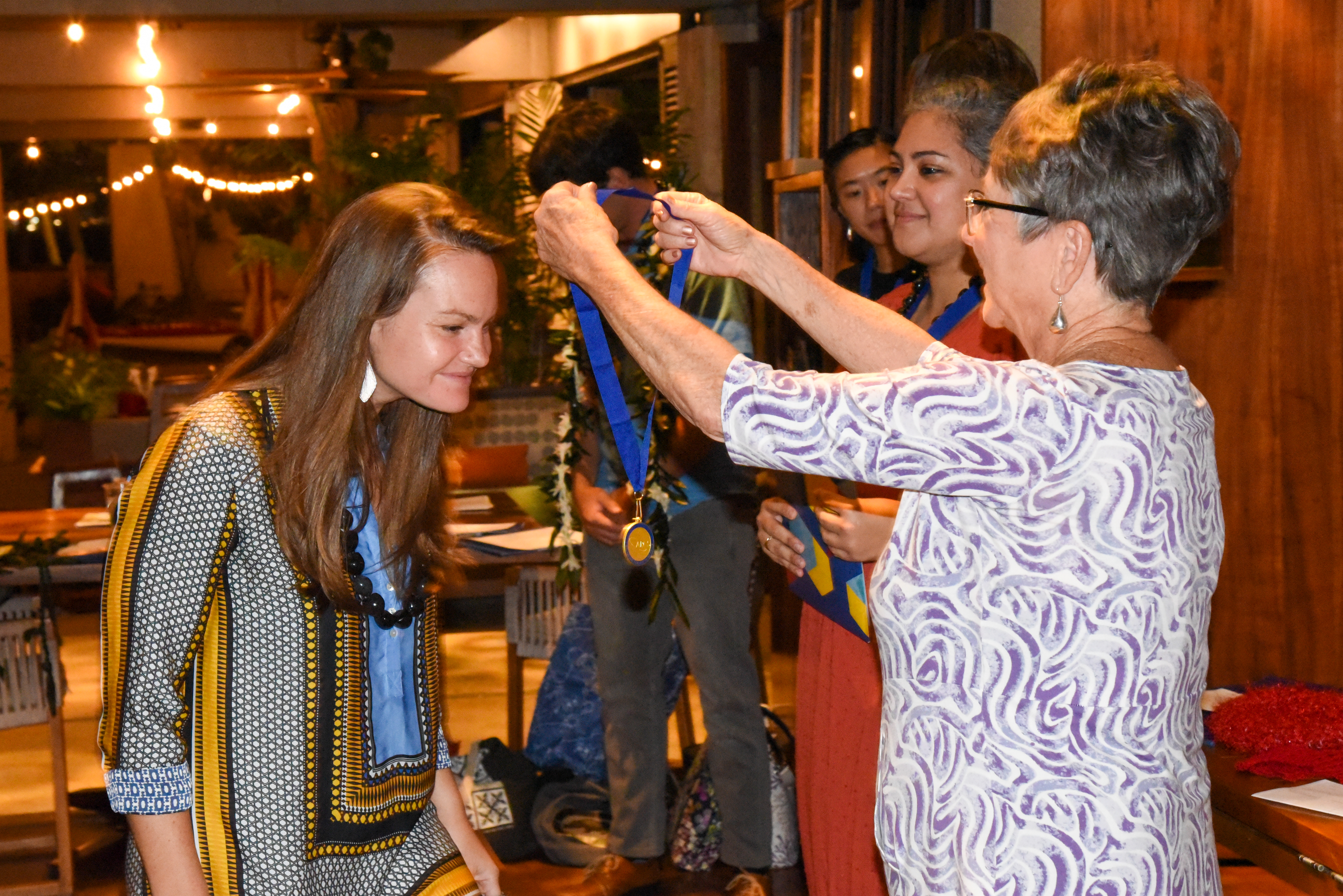
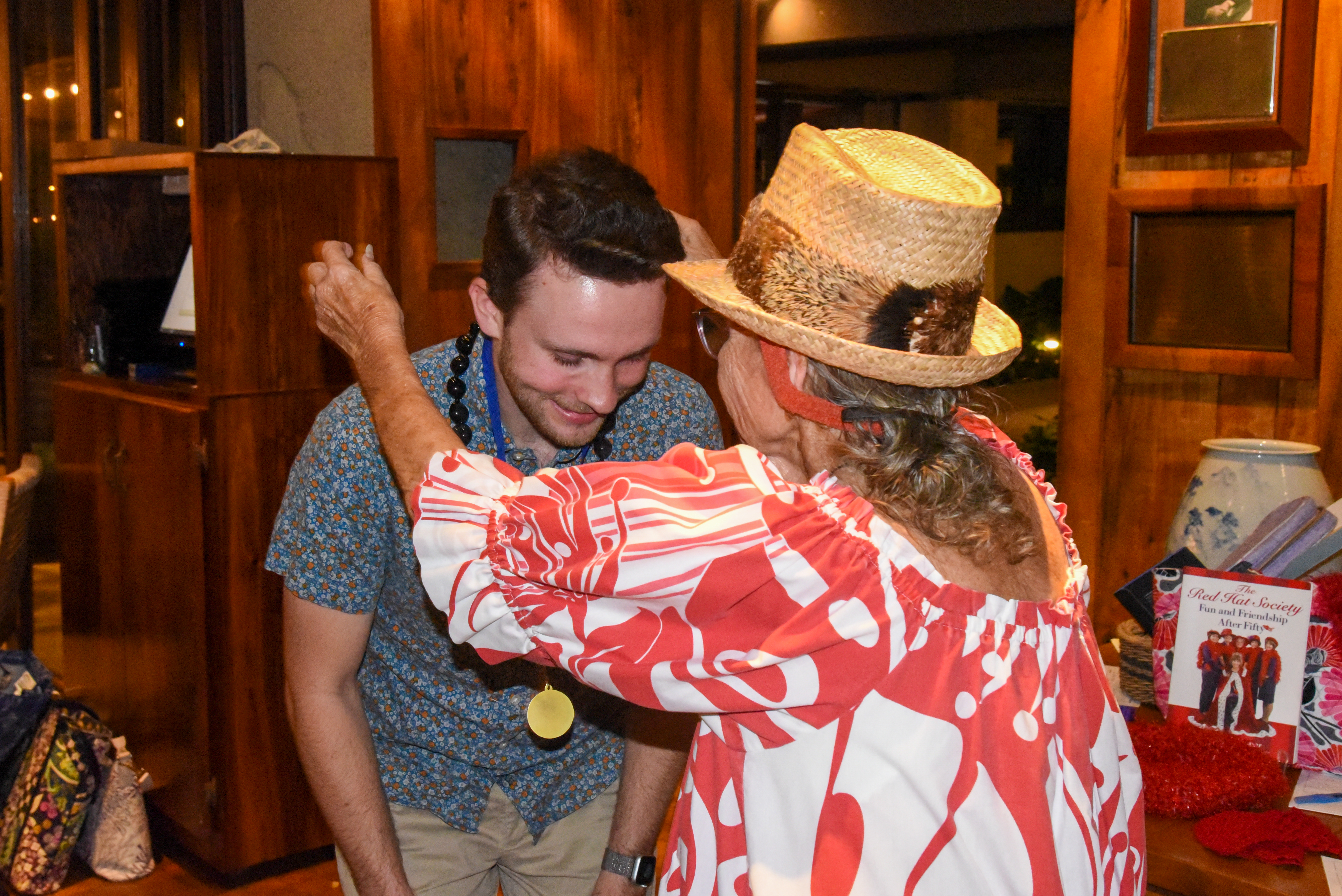
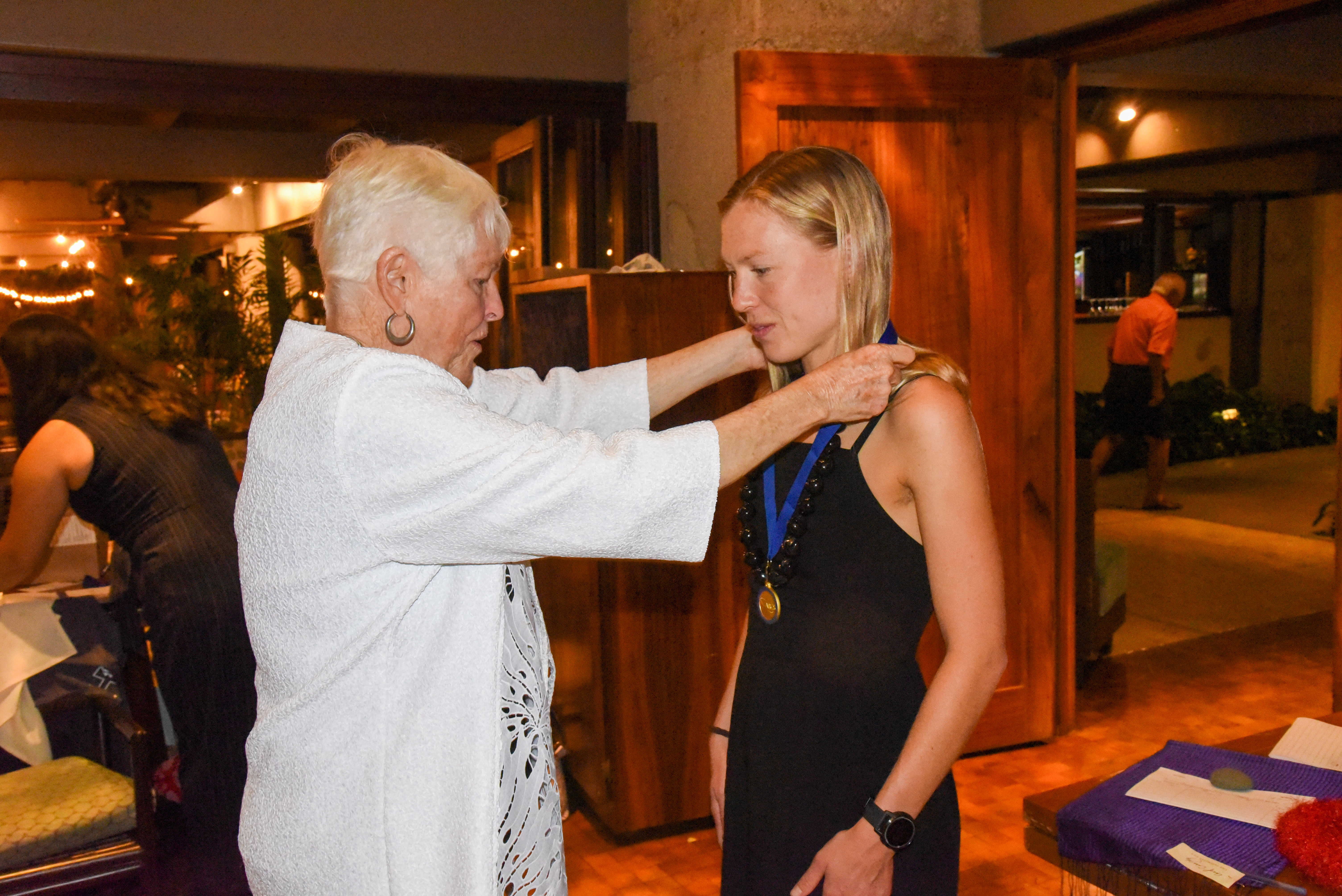
In its first in-person event since the pandemic struck, ARCS Honolulu Chapter presented twenty 2022 ARCS Scholar Awards at the Outrigger Canoe Club May 5. Miles Lucas was named ARCS Scholar of the Year (Physical Sciences) for his work to design instruments, observational techniques and processing methods for directly imaging exoplanets and planet-forming regions in the hopes of “seeing” largely invisible gasses will help explain planet formation. Nicholas Kawasaki was named ARCS Scholar of the Year (Biological Sciences) for his investigation of ferroptosis, an iron-dependent form of cell death that occurs in the heart after blood flow is restored following a heart attack.
Read more about the 2022 Scholars or view their videos, in which they describe their research.
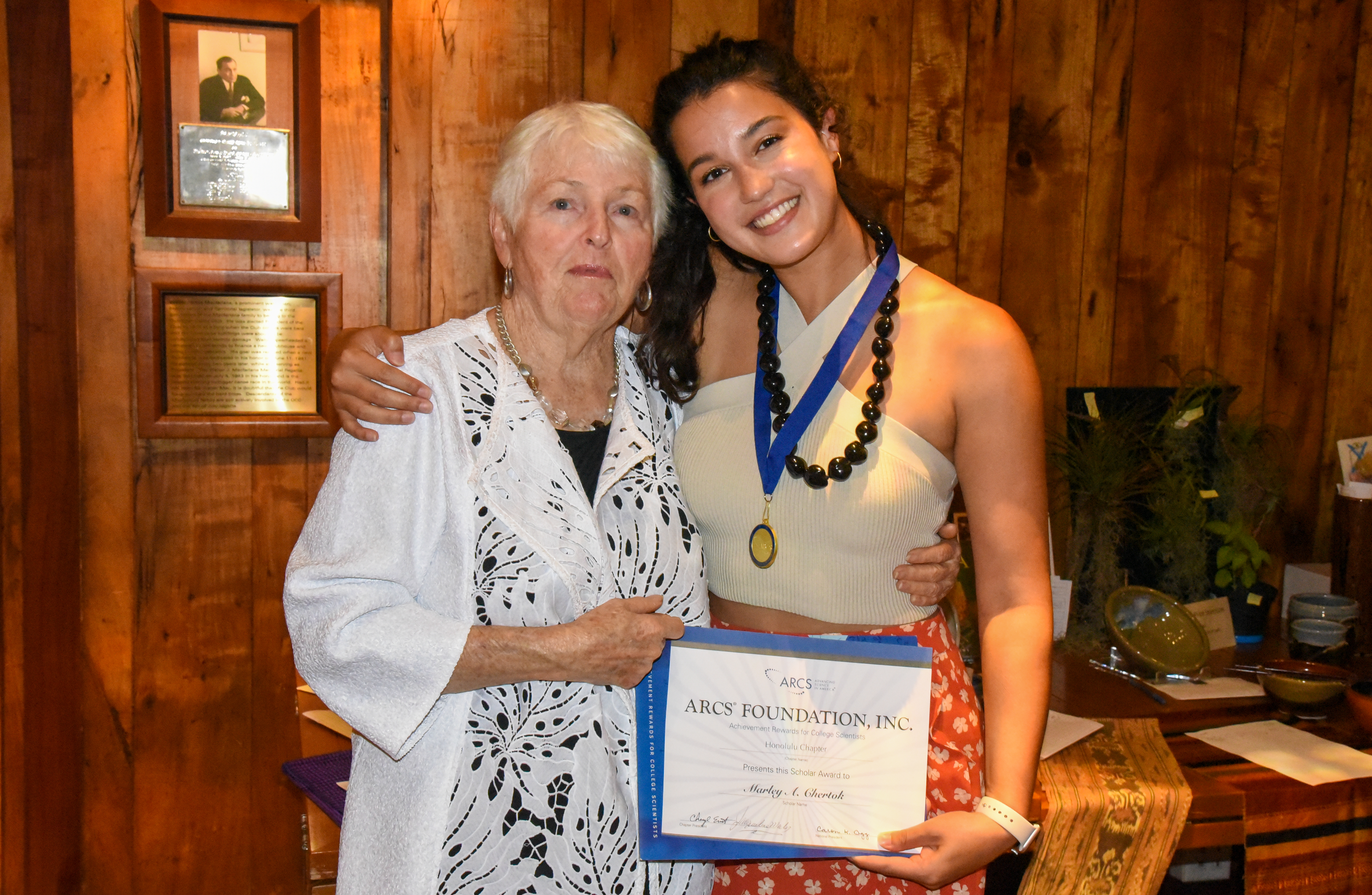
Special guests included the 2021 Scholar of the Year, asronomy scholar Erica Bufanda, and 1987 ARCS Scholar Paul Lucey, University of Hawai‘i at Manoa earth scientist who is he advisor to 2022 Scholar Marley Chertok.
To Quote a Scholar: Benjamin Wiseman
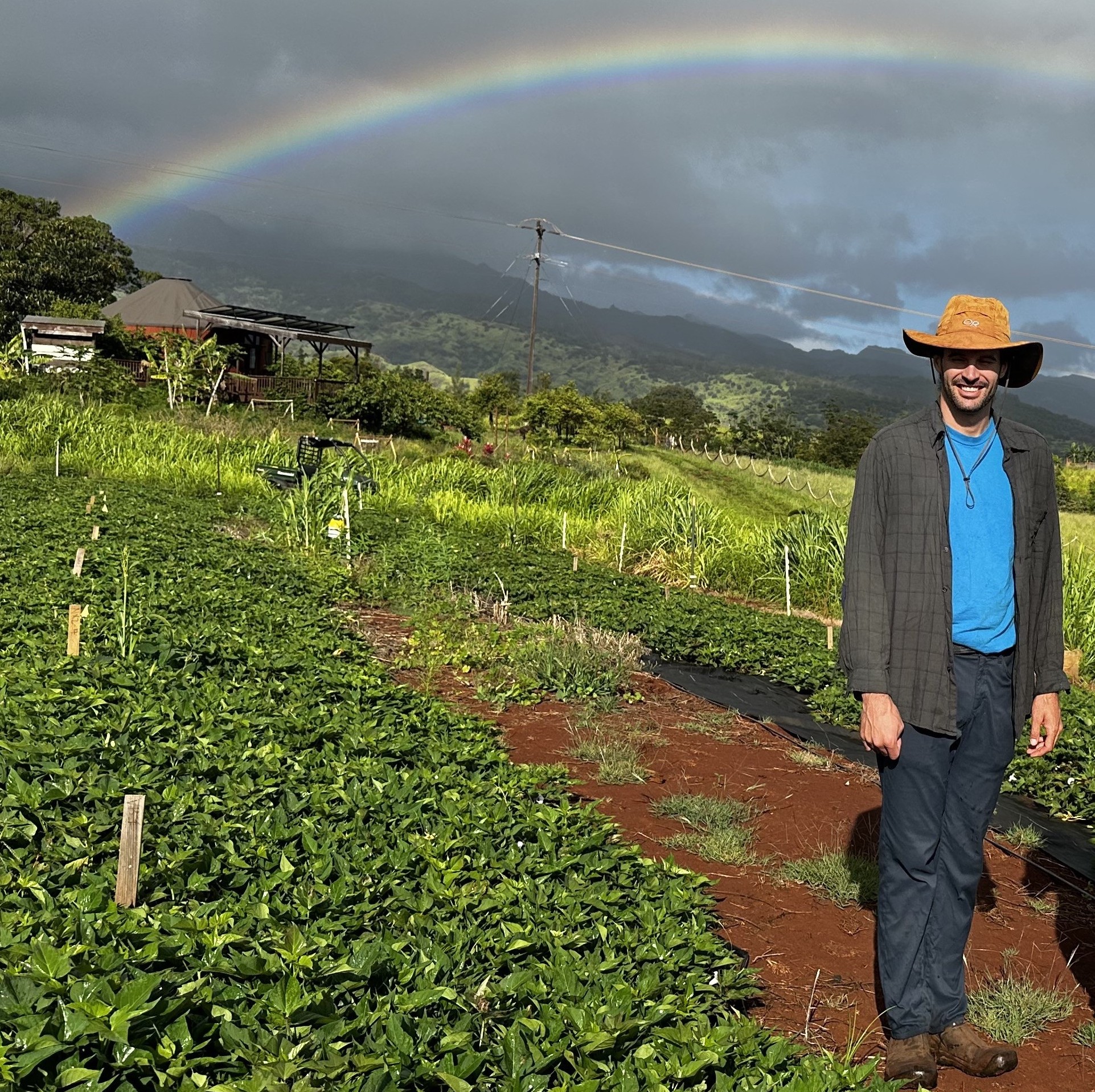
"I hustle to make sure that my expenses are covered, often working part-time jobs to make ends meet. Receiving this award means that I can place greater focus on my academic research work."
2024 Helen Jones Farrar ARCS Scholar Ben Wiseman quantifies nematodes to study soil health and explores new cover crops as an effective, sustainable way to control the pest in sweet potato fields.
Science Communicator Christie Wilcox Tells it Like It Is
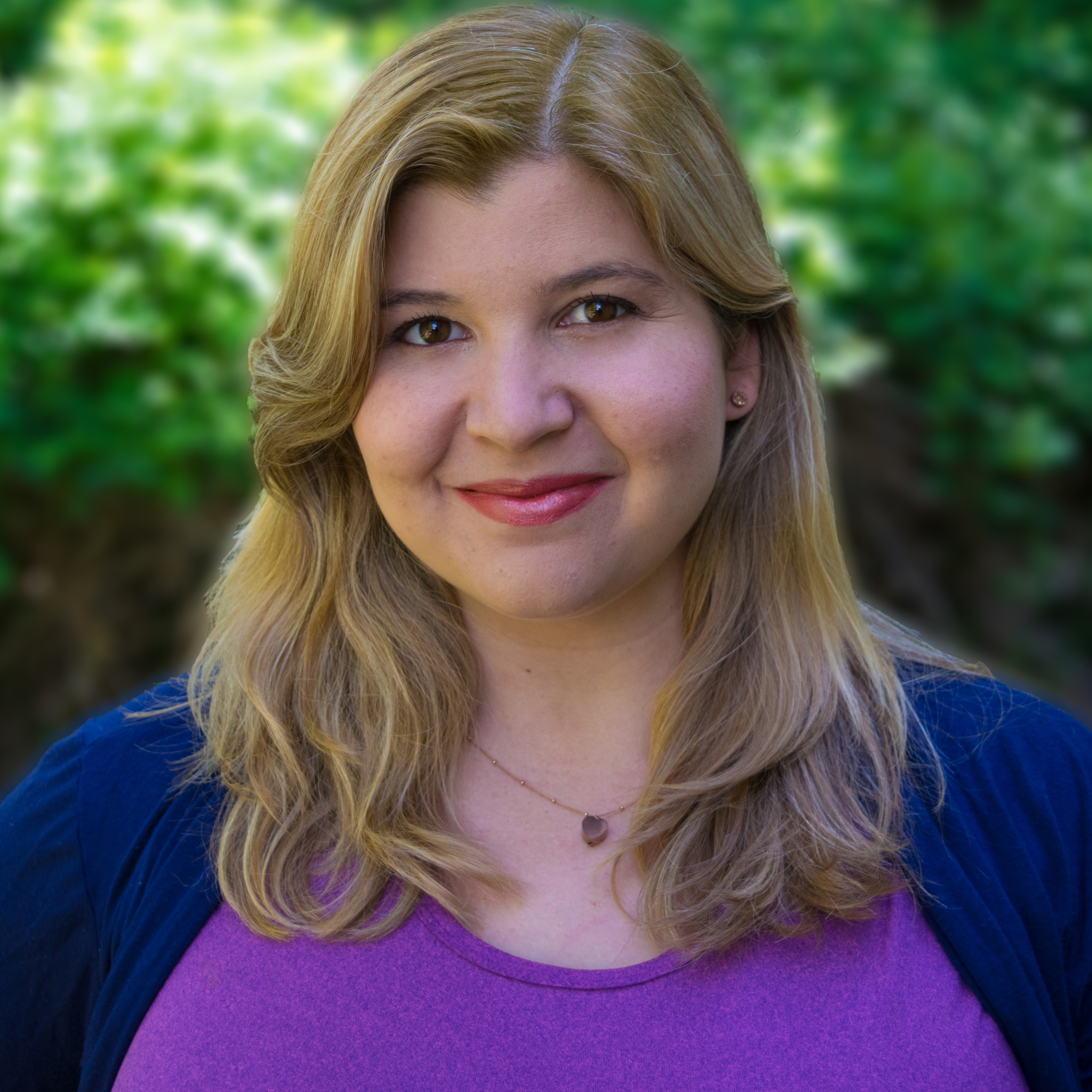
Christie Wilcox, PhD, on her Honolulu ARCS Scholar Award: "The life of a graduate student is not enviable… For me, it was essential. It was what I needed, the kind of funding to pursue these curiosities that I had. And I was grateful for it.” Read more about the the award winning science communicator.
Dr. Mark Hixon on ARCS Scientist Honor
"I am especially grateful that ARCS Honolulu appreciates the mentoring of graduate students, who are society’s future scientists during an era when science is increasingly under attack."
ARCS Honolulu Chapter named marine ecologist Dr. Mark Hixon its 2021 ARCS Scientist of the Year for his remarkable record of research, mentorship and public outreach. He is the Sidney and Erika Hsiao Endowed Chair in Marine Biology and chairs the Zoology Graduate Program at the University of Hawai‘i at Manoa. Photo by Chris Pala